
 Khmer
Khmer  English
  French
  German
  Spanish
  Italian
  Japanese
  Korean
  Vietnamese
  Thai
Thai  Myanmar
  Albanian
  Polish
  Arabic
 វិស័យសាកម្មនិងស្ទង់ស្វាយឯកតាបានស្នាក់ស្ងៀមក្នុងរីតុយល៍ដ៏វែងឆ្ងាយនៃការកែលម្អឧបករណ៍អុបទិកដោយដៃ — ការលៃតម្រូវជើងខ្វិលម៉ាស៊ីន ការត្រួតពិនិត្យពពុះសន្ទសក្ការ ការលៃតម្រូវឡើងវិញ និងការត្រួតពិនិត្យម្តងទៀត។ រៀងរាល់ការដំឡើងបានលុបចោលម៉ោងធ្វើការដ៏មានតម្លៃ ហើយរៀងរាល់ការលំអិតលម្អិតខុសប្រក្រតីបានណែនាំពីហានិភ័យនៃកំហុសដ៏មានឧបករណ៍។ បន្ទាប់មក កម្រិតស្វ័យប្រវត្តិ៉ ឧបករណ៍បដិវត្តដែលបានផ្លាស់ប្តូរដំណើរការលម្អិតលម្អោយពេលវេលាដែលពឹងផ្អែកលើជំនាញ ទៅជាប្រតិបត្តិការដែលស្ទើរតែលម្អាក់វិនាទី។
Auto Level សម្រេចបាននេះតាមរយៈឧបករណ៍ផ្សងផ្គត់ផ្គង់ខាងក្នុងដែលកែតម្រូវស្វయ័ក្រោមលក្ខណៈលម្អិតដ៏តូចបង្កើតបន្ទាត់ दृષ្टిដែលហើរលម្អិតលម្អត់នៅពេលដែលអ្នកនឹងលម្អិតឧបករណ៍ប្រហោង។ ដោយមានការលម្អិតស្វយ័ និងការវាស់វែងប៊ូតតុងដង្ហើមស្ទើរតែ Auto Level បានក្លាយជាឆឡាងខ្នងនៃគេហទ្រង់ទ្រាយសាលពមលិខិតសាលលើពិភពលោក។ ចូរស្វាគមន៍ឡើងវិញដើម្បីស្វាគមន៍ដូចម្តេចឧបករណ៍គួរឱ្យកោតសរសើរនេះបានបង្កើតកម្រិតដាក់ពង្រាយលែងតែមាននៃលុយហើយរបៀបដែលវាក្រោកបានបង្កើតលំហូរដំណើរការរបស់អ្នក។
អ្វីដែលធ្វើឱ្យ Auto Level "ស្វయប្រវត្តិ"?
The magic of an កម្រិតស្វ័យប្រវត្តិ នៅក្នុងប្រព័ន្ធក្របង្គ្រាប់ - ឧបករណ៍ព្រីសឬកញ្ចក់ដែលយោងលើទំនាញដែលផ្អាកដោយលួសដែលមានភាពលាយលក្ខណ៍គ្រឹតយ៉ាងខ្ពស់ ឬដងថ្នលៃងដែលបង្វិលបង្ហាប់។ នៅពេលដែលអ្នកលម្អិតឧបករណ៍ ហើយដាក់ពង្រីកពង្រវង្រវលេងរង្វង់ប្រហាក់ប្រហែល ប្រព័ន្ធក្របង្គ្រាប់ក្របង្គ្រាប់ទៅលើបង្ហាប់។ វាលេងលេងដោយស្វាធិន្យនៅក្រោមទំនាញពិតប្រាកដ ដោយស្វយ័តលម្អិតផ្លូវលក្ខណៈបច្ចុប្បន្នដើម្បីឱ្យបន្ទាត់របស់ការមើលលេងលក់ផ្ដេក ដោយមិនគិតពីការលលែងលើលក់របស់ឧបករណ៍ប៉ុណ្ណាក៏ដោយ។
ម៉ូដែលស្វ័យប្រវត្តិកម្ពស់ដែលមានកម្រិតលម្អិត រួមបញ្ចូលប្រព័ន្ធតស៊ូម៉ាញ៉េទិចដែលធ្វើឱ្យឱ្យស្ថិរភាព បានលឿនល្អ ខណៈពេលដែលផ្តល់នូវស្ថេរភាពលម្អិតប្រឆាំងនឹងរំញ័រខាងក្រៅ។ នេះមានន័យថា សូម្បីតែនៅលើតំបន់ការងារសាងសង់ដែលមានម៉ាស៊ីនធ័រធំៗគំរាប់ក៏ដោយ ម៉ាត្របស់អ្នកផ្តល់នូវការងារបានម្ល្ហ្ច រឺលម្អិត ដោយគ្មាននិងបង្ហាញក។ មិនដូចម៉ាត្រវិល់ — ដែលត្រូវការលម្អិតលម្អិតប្រាណ ដោយលម្អិតក្នុង monochrome ប្រវ័ត្តនៃលម្អិតលម្អិត និងបង្ហាញលម្អិតក ដូច្នេះលម្អិត — ម៉ាត្របង់ឈានបង្ហាញលម្អិតលម្អិតយ៉ាងច្បាស់លាស់។ ការសិក្សាបង្ហាញថាពេលវេលារបស់កងក្រុមលើម៉ាត្ររបស់ម៉ាត្របង់ឈាននៅ 16 ដល់ 34 ភាគរយតិចជាងនៅពេលប្រើម៉ាត្រវិល់ ដោយលម្អិតលម្អិតគឺច្រើនបំផុតដែលលម្អិតលម្អិតច្រើនបំផុត។
ការវាស់វែងប៊ូតតុងដង្ហើម៖ ភាពសាមញ្ញដែលសន្សំពេលវេលា
នៅពេលដែលអ្នកបានដាក់ Auto Level របស់អ្នកលើស្ត្រីបដាប់ដែលស្ថិតស្ថេរ ហើយដាក់ពង្រីកពង្រវង្រវលេងរង្វង់ដែលប្រហាក់ប្រហែលដូច្នេះ ឧបករណ៍នេះរៀបខ្លួនដើម្បីវាស់វែង។ មិនចាំបាច់ធ្វើការលៃតម្រូវដ៏ល្អម្ដងទៀតទេ មិនចាំបាច់ពិនិត្យក្រិតក្រparticularly វង្រងលេងពង្រង្រត្រង់ ឬលេងវង្រងលេងពង្រង្រលម្អិត។ អ្នកគ្រាន់តែក្រឡេកមើលកាលីទស្សន៍ អាន់រង្វាស់ ហើយកត់ត្រាលទ្ធផលរបស់អ្នក។
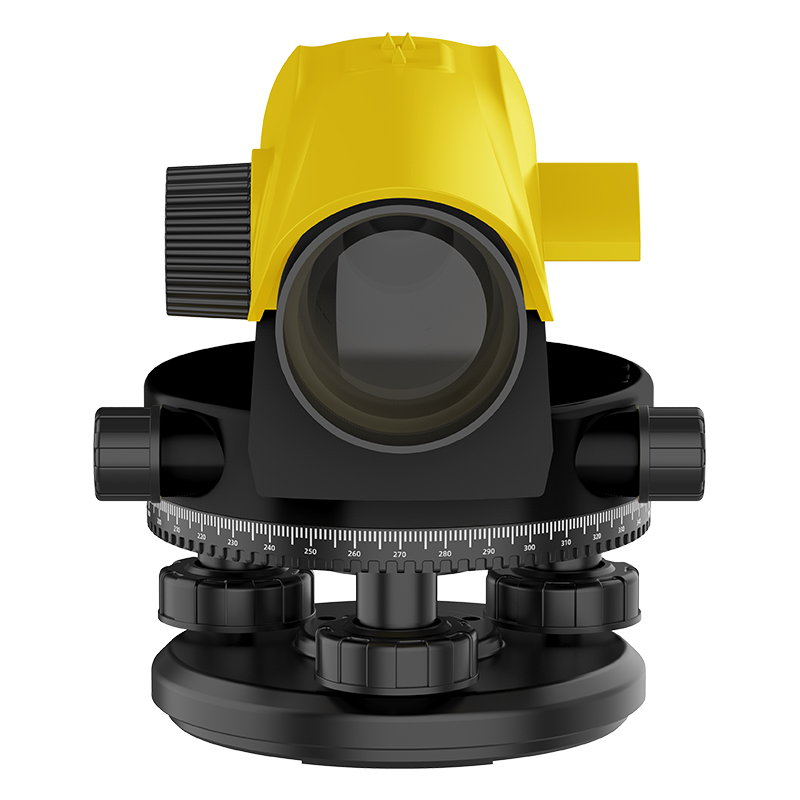
ភាពសាមញ្ញនៃ "ប៊ូតុងតែមួយ" នេះគឺផ្លាស់ប្តូរវិធីនៃការងារ។ សម្រាប់អ្នកស្ទង់មតិ ឬឧបករណ៍វាស់វែងបង្កើតលក្ខណៈដ៏ល្អ វាមានន័យថា ការដំឡើងលឿនក្រេងនិងការវាស់វែងច្រើនក្នុងមួយថ្ងៃ។ សម្រាប់អ្នកលម្អបង្កើត វាមានន័យថា ខ្សែរសិក្សាខ្លីជាង — ឧបករណ៍ធានាផ្នែកឈរ ដូច្នេះគ្រាន់តែសូត្របូក និងដក ពីកម្ពស់ឯកសារយោងប៉ុណ្ណោះ។ ឧបករណ៍ស្វ័យកម្រិត ធ្វើឱ្យលេខត្រឹមត្រូវក្នុងទម្រង់សាធារណៈ ហើយ ធ្វើឱ្យវាងាយលទ្ធភាពក្នុងការប្រើប្រាស់របស់មនុស្សម្នាក់ដែលអាចប្រតិបត្តិការលើកដងថ្ម រៀនសូត្របង្ហាញរង្វង់។
Optics ដ៏ឧត្តម៖ ច្បាស់លាស់ ភ្លឺ និងការថយចុះនូវការលេប់
A high-quality Auto Level features an optimally designed telescope that provides an exceptionally bright and sharp view. Professional-grade instruments typically offer magnifications ranging from 20x to 32x. Higher magnification allows for more precise rod readings at greater distances, while larger objective lenses (36mm or more) gather more light for improved visibility in low-light conditions.
គំរូ Auto Level ផ្នែកប្រءប៉ុងមានលក្ខណៈពិសេសប្រលេណ្ឌ័រផ្សងផ្គត់ផ្គង់ដែលកាត់បន្ថយការឆ្លុះបញ្ចាំងពន្លឺនិងបង្កើនភាពផ្ទុយគ្នារូបភាពដែលធ្វើឱ្យឱ្យលម្អិតលម្អត់ឯកសារកាន់តែច្បាស់លាស់ និងកាត់បន្ថយដង្ហើមដ៏លើសលប់ក្នុងអំឡុងពេលវេលាវាលដ៏វែង។ ឧបករណ៍កម្រិតខ្ពស់មួយចំនួនក៏ផ្តល់នូវចម្ងាយផ្តោតប្តូរប្រែង — នៅជិត 20cm (ដែលមាន 7.9 អ៊ីញ) ពីចុងបញ្ចប់នៃកែវបង្ការង — ធ្វើឱ្យវាងាយស្រួលក្នុងការប្រើប្រាស់ក្នុងកន្លែងដែលរឹង។ លទ្ធផលគឺបទពិសោធន៍ក្នុងការមើលឃើញដែលរក្សាឱ្យអ្នកលម្ហាក់ និងត្រឹមត្រូវម៉ោងម្ដងម៉ោង។
កសាងសម្រាប់វាល៖ ស្ថায়ិត្វនិងភាពធន់នឹងអាកាសធាតុ
ការងារក្នុងវាលគឺមិនឆន្ទៈ។ ធូលី សំណើម ឥទ្ធិ ឧស្ម័ន និងលក្ខខណ្ឌកម្ពស់ដែលខ្លាំង គឺជាផ្នែកមួយនៃការដំណើរប្រចាំថ្ងៃ។ ឧបករណ៍ Auto Level សម័យទំនើបត្រូវបានរចនាឡើងដើម្បីទប់ទល់នឹងលក្ខខណ្ឌទាំងនេះ។ ម៉ូដែលដែលមានលក្ខណៈពិសេស ក្លាយជាប៉ោងលម្អិត ហើយស៊ីលដោះស្រាយបានល្អប្រឆាំងនឹងទឹក សំណើម និងធូលី — ដែលមួយចំនួនសម្រេច IP54 ឬ IPx6។
ឧបករណ៍ទាំងនេះរក្សាភាពត្រឹមត្រូវស្ថិរភាព នៅលើលក្ខខណ្ឌប្រតិបត្តិការផ្សេងៗ និងជួរសីតុណ្ហភាពមួយចំនួន។ ម៉ូដែលកម្រិតខ្ពស់មួយចំនួនថែមទាំងបង្វែលលក្ខណៈពិសេស ឬសមតុល្យសីតុណ្ហភាព ដែលកែតម្រូវការអានដោយស្វయប្រវត្តិ ផ្អែកលើលក្ខខណ្ឌឧស្ម័ន ដែលធានាផ្តល់នូវការងារដែលគួរឱ្យទុកចិត្ត ឆ្លងកាត់រដូវផ្សេងៗ និងលក្ខខណ្ឌមតិអាកាស។ ឧបករណ៍សមតុល្យខ្លួនឯង ត្រូវបានការពារពីការរroccet ដូច្នេះ មេកានិយមរំយិលលំយោលខ្ពស់ — ដូច្នេះ Auto Level របស់អ្នក បង្ហាក់ឱ្យផ្តល់នូវលទ្ធផលច្បាស់លាស់ ថែមទាំងនៅពេលដែលសេឌ្ឋានគេហដ្ឋាន ក្លាយជារឹងមាំ។
신뢰를 주는 정확성
ឧបករណ៍ស្វ័យកម្រិតដែលមានស្ដង់ដារវិជ្ជាសាស្ត្របាន ជាធម្មតាផ្តល់នូវភាពត្រឹមត្រូវ ចាប់ពី ±១,៥ម.ម ដល់ ±២,៥ម.ម ក្នុងមួយគីឡូម៉ែត្រនៃការកម្រិតទ្វេដង។ ម៉ូដែលលំដាប់កំពូលអាចសម្រេតភាពត្រឹមត្រូវកាន់តែច្រើន — ខ្លះក៏ឈានដល់ ±០,៧ម.ម ក្នុងមួយគីឡូម៉ែត្រ នៅពេលដែលផ្គូផ្គងដោយមីក្រូម៉ែត្រលង្ហិត។
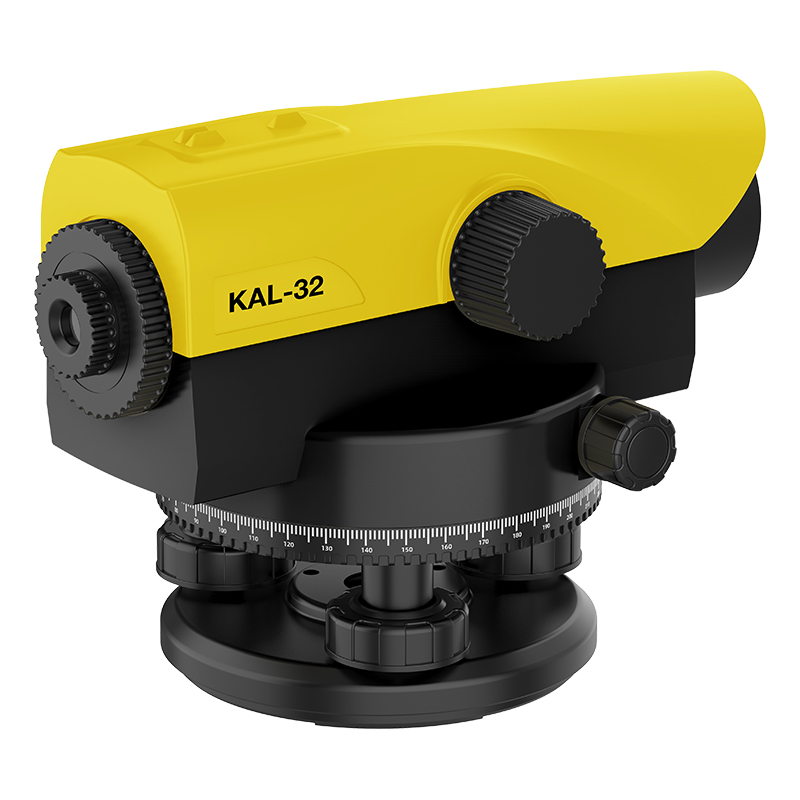
កម្រិតនៃលម្អិតលម្អិតនេះគឺលើសពេលមាន អ្វីដែលគ្រប់គ្រាន់សម្រាប់ក្រុមហ៊ុនក្នុងការងារសាងសង់ និងលម្អិតលម្អិត។ ហើយដោយសារតែលម្អិតលម្អិតរបស់ម៉ាត្របាទ័យលម្អិតលម្អិតលម្អិតខ្ពស់ ដូច្នេះលម្អិតលម្អិត, អ្នកអាចទុកចិត្តថាលម្អិតលម្អិតលម្អិតលម្អិតលម្អិត — ឆ្នាំលម្អិត, ថ្ងៃលម្អិត។ លទ្ធផលគឺលម្អិតលម្អិតលម្អិតលម្អិតលម្អិត ដែលលម្អិតលម្អិតលម្អិតលម្អិត និងលម្អិតលម្អិតលម្អិត។
កម្មវិធីសំខាន់ៗនៃលម្អិតស្វ័យប្រវត្តន៍
Auto Level គឺជាឧបករណ៍ដ៏អស្ចារ្យដែលប្រើប្រាស់ក្នុងកម្មវិធីចម្រុះ:
ប្លង់ការសាងសង់ និងការវាយតម្លៃគេហដ្ឋាន៖ ការផ្ទៀងផ្ទាត់កម្ពស់របស់មូលដ្ឋាន បាតមូលដ្ឋាន និងជញ្ជាំង។ ការកំណត់កម្រិតសម្រាប់ផ្លូវ ឡាន និងប្រព័ន្ធលូចរ។
Structural Framework: Ensuring beams, columns, and floor slabs are installed at correct elevations.
ការសាងសង់ផ្លូវ រថភ្លើង និងបំពង់បង្ហូរចំណាំងសាច់ពាក់៖ កម្ពស់ និងការតម្រឹមប្រចាំថ្ងៃសម្រាប់គម្រោងហេដ្ឋារចនាសម្ព័ន្ធ។
ការងារគ្រឹះនិងរណង៖ ការវាស់ស្ទង់ប៉ាន់ស្មាននៃរណង (ជម្រៅរណង) និងការតម្រឹមកម្ពស់ឈើបង្គោល។
ការងារលូតរបាយ និងការកំណត់ជម្រាល៖ ការបង្កើតលូតរបាយត្រឹមត្របូវដែលសមស្របសម្រាប់រចនាសម្ព័ន្ធ និងការផ្ទៀងផ្ទាត់ម៉ាត្របាល់ជម្រាល។
ការតំរែតំរង់ និងការត្រួតពិនិត្យការស្ថាបនា៖ ការតាមដានការរីកចម្រើននៃដីឥដ្ឋ និងចលនារចនាសម្ព័ន្ធក្នុងរយៈពេលវែង។
ការស្ទង់មតិលម្អិតខាងលើ: ការប្រមូលលម្អិតលម្អិតក ដើម្បីឆ្នាំលម្អិត និងវិភាគលម្អិតដី។
산업 측정: 대형 기계 설치 및 정밀 엔지니어링 측정.
ការស្ទង់មតិក្នុងផ្លូវរូងក និងរោង광៉ាយ៉ា៖ ការវាស់កម្ពស់នៅក្នុងបរិស្ថានដែលលំបាកក្រោមដី។
자동 수준기를 구매할 때 무엇을 찾아야 할까요?
ដោយគំរូ Auto Level ជាច្រើនក្នុងទីផ្សារ ការជ្រើសរើសម្ចាស់ត្រឹមត្រូវតម្រូវឱ្យមានការពិចារណាយ៉ាងដិតដល់។ នេះគឺជាកត្តាសំខាន់ដែលត្រូវវាយតម្លៃ៖
- តម្រូវការលម្អិតឈានល្អ
លក្ខណៈលម្អិតនៃភាពត្រឹមត្រូវបង្ហាញពីកំហុសអតិបរមាដែលអ្នកអាចរំពឹងទុក លើលើចម្ងាយជាក់លាក់ដែលប្រកាសជាធម្មតាក្នុងលក្ខណៈមីលីម៉ែត្រក្នុងមួយគីឡូម៉ែត្រ។ ពិចារណាលម្អិតលម្អិតលម្អិតលម្អិតលម្អិត - ឧបករណ៍ដែលមានភាពត្រឹមត្រូវខ្ពស់ត្រូវការតម្លៃថ្លៃដ៏ច្រើន ប៉ុន្តែប្រហែលជាចាំបាច់សម្រាប់ការប្រើប្រាស់សំខាន់ៗ។ - Magnification Power
ឧបករណ៍ Auto Level ដែលមានគុណភាពឯកទេស ភាគច្រើនផ្តល់នូវលក្ខណៈពិសេស magnification រវាង 20x និង 32x។ Magnification ដែលខ្ពស់ជាងនេះ អនុញ្ញាតឱ្យអាន staff ដែលមានភាពត្រឹមត្រូវលើចម្ងាយដ៏ធំ ប៉ុន្តែប្រហែលជាកាត់បន្ថយមុំមើល។ សូមពិចារណាចម្ងាយការងារលក្ខណៈធម្មតារបស់អ្នក នៅពេលជ្រើសរើស magnification power។ - គុណភាពឧបករណ៍ប្តូរសមតុល្យ និងជួរដ្ឋានប្រតិបត្តិការ
អង្គការផ្សោងស្ថិតក្នុងកណ្តាលនៃលម្អិតស្វ័យប្រវត្តន៍ណាមួយ។ ស្វែងរកម៉ូដែលដែលមានប្រព័ន្ធសំរាម់ដែកដែលបង្កើនល្បឿន រហូត ស្ថិរភាព ពិសេស ការរំញ័ន។ ពិនិត្យលម្អិតលម្អិតលម្អិតលម្អិតលម្អិត (ធម្មតា ±3′ ដល់ ±15′) — ក្រាប ធំទូលាយ មាននៃឧបករណ៍ ដែលមានកម្រិត អនុញ្ញាត ដូច្នេះបង្កើតមាន។ - Optical Quality
កែវថតដែលលាប់ច្រើនដង កាត់បន្ថយការឆ្លុះបញ្ចាំងពន្លឺ ហើយបង្កើនលក្ខណៈបែងចែករូបភាព។ កែវលេខសមរភូមិដ៏ធំ រួមដWithappropriate magnification ផ្តល់នូវការមើលឃើញល្អប្រសើរក្នុងលក្ខខណ្ឌពន្លឺផ្សេងៗគ្នា។ ស្វាគមន៍ធាតុអុបទិកដែលលាប់ពេញលេញដែលផ្តល់នូវរូបភាពស្រឡាញ់ និងច្បាស់លាស់។ - ភាពរឹងមាំ និងការការពារបរិស្ថាន
ពិចារណាលក្ខណៈបរិស្ថានការងារ។ ប្រសិនបើអ្នកធ្វើការនៅខាងក្រៅក្នុងលក្ខខណ្ឌមិនល្អ សូមស្វាគមន៍ដកស្វាស្វាម និងឧបករណ៍ក្នុងលក្ខណៈលិច (IP54 ឬលើស)។ លក្ខណៈពិសេសផ្នែកឹងសងម្ដងបង្ហាញថាមពល ចាប់អារម្មណ៍សម្រាប់ការងារឆ្នាំរៀងរាល់ក្នុងអាកាសធាតុផ្សេងៗ។ - ភាពងាយស្រួលក្នុងការដំឡើងនិងប្រើប្រាស់
ពិនិត្យមេកানिズមដែលផ្តោតលម្អិត — វាគួរតែដំណើរការដោយរលូន។ ពិចារណាថាតើកម្រិតរាងជារង្វង់មើលឃើញយ៉ាងងាយ (ម៉ូដែលខ្លះផ្តល់នូវ pentaprism ឬកញ្ចក់នៅខាង eyepiece)។ ការដំណើរការលេខគណនាផ្ដេក endless អនុញ្ញាតឱ្យចង្អុលលម្អិតលឿនលឿន។ - 거리 초점 맞추기
ប្រសិនបើអ្នកធ្វើការក្នុងលំហតូច សូមពិនិត្យមើលចម្ងាយផ្តោតអប្បបរមា។ ម៉ូដែលល្អបំផុតមួយចំនួនផ្តោតមិនឆ្ងាយជាង ២០ សង់ទីម៉ែត្រពីចុងបញ្ចប់នៃទេលេស្កូប។ - ភាពឆបគ្នារបស់ស្តង់
ធានាថា Auto Level ស័ក្តិសមនឹងត្រីផតដែលមាន។ ម៉ូដែលវិជ្ជាជីវៈភាគច្រើនមាន ខ្សែបង្វិលត្រីផតស្តង់ដារ ៥/៨″-១១។ - ការក្រិតលម្អិត និងការថែរក្សា
품질 제조업체는 교정 인증서를 제공하고 재교정 간격을 지정합니다. 정기적인 교정은 자동 수준기가 운영 수명 전체에 걸쳐 정확한 측정을 계속 제공하도록 보장합니다.
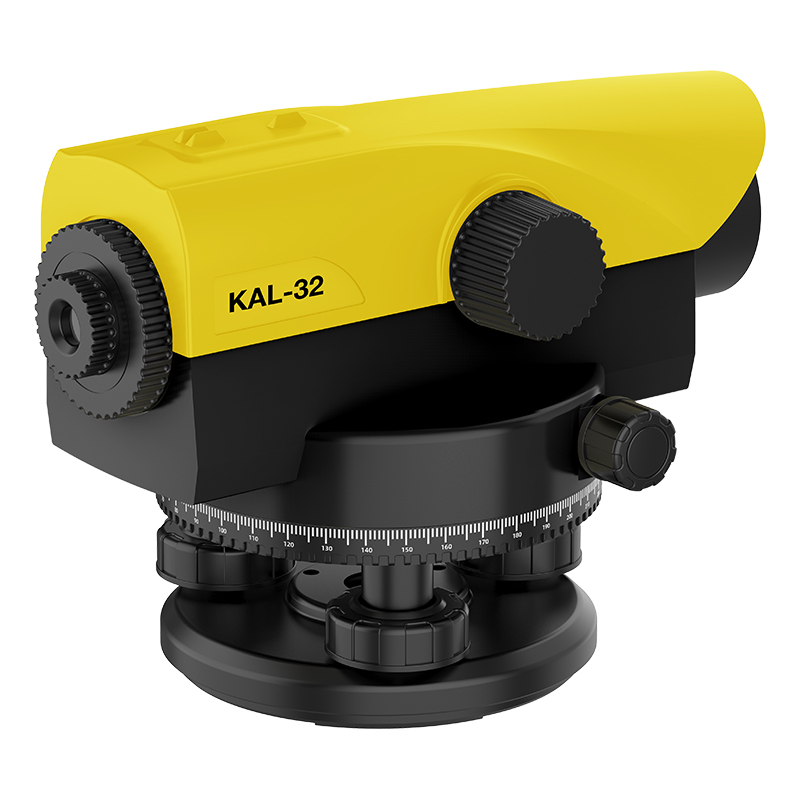
សេចក្តីសន្និដ្ឋាន
នេះ។ កម្រិតស្វ័យប្រវត្តិ បានផ្លាស់ប្តូរវិធីដ្ឋានរបស់យើងក្នុងការកំណត់កម្រិតនិងការវាស់វែងកម្ពស់។ ដោយការជំនួសកម្ពស់ពពុះដ៏ធុញធ្ងន់ដោយដៃដោយប្រើឧបករណ៍ស្វ័យប្រវត្តដ៏ឆ្ងាយប្រឹក្សា វាបានកាត់បន្ថយពេលវេលាដំឡើង ចុះស្វាយប្រឹក្សា របស់ប្រតិបត្តិករ និងធ្វើឱ្យការកំណត់កម្រិតឧស្ម័នអាចទទួលបានសម្រាប់អ្នកឯកទេសក្នុងគ្រប់កម្រិតជំនាញ។ ចាប់ពីវិថីសាលក្រណ្តាលគ្រឿងសម្ភារ និងគម្រោងផ្លូវ ដល់ការស្ទង់ដោះ ដង្ហើម និងការតរាប់ការខូចខាត វាគាំទ្លភាពត្រឹមត្រូវ ភាពរឹងមាំ និងភាពងាយស្រួលរបស់ការប្រើប្រាស់ដែលបច្ចុប្បន្នការស្ទង់ដោះទាមទារ។
សំណួរដែលសួរញឹកញាប់
Q1: តើខុសគ្នាក្នុងរវាងកម្រិតស្វ័យប្រវត្តិនិងកម្រិតលូច្រៀងយ៉ាងណា?
ឧបករណ៍ស្មើល័ក្ខ្យរដាប់ពី (dumpy level) ទាមទារឱ្យឧបករណ៍ត្រូវបានស្មើលេងឥតខ្ចោះដោយប្រើក្រវ៉ាក់ជើងបី និងបង្អួចពពុះប្រកាន់ខ្លាំង — ដំណើរការស្មើលេងដែលឈឺក្បាលដែលត្រូវធ្វើម្តងទៀតនៅរាល់ការដំឡើង។ ឧបករណ៍ស្មើល័ក្ខ្យស្វ័យប្រវត្ត (Auto Level) រួមបញ្ចូលមាសវិបត្តិ (compensator) ខាងក្នុងដែលកែដំរូវដោយស្វ័យប្រវត្តិ សម្រាប់ការផ្អៀងតូច ដូច្នេះអ្នកគ្រាន់តែត្រូវស្មើលេងឧបករណ៍ប្រហាក់ប្រហែលប៉ុណ្ណោះ។ ការសិក្សាបង្ហាញថា ឧបករណ៍ស្វ័យប្រវត្តលျឺ (autolevels) កាត់បន្ថយពេលវេលាក្រុមប្រតិបត្តិការ ១៦ ទៅ ៣៤ ភាគរយ បើធៀបនឹងឧបករណ៍ស្មើល័ក្ខ្យរដាប់ពី (dumpy levels)។
Q2: ឧបករណ៍ស្មើល័ក្ខ្យស្វ័យប្រវត្ត (Auto Level) មានភាពត្រឹមត្រូវប៉ុណ្ណា?
ឧបករណ៍កម្រិតស្វ័យប្រវត្តថ្នាក់វិជ្ជាជីវៈដូច្នេះផ្តល់ឱ្យភាពត្រឹមត្រូវដែលប្រែប្រួលចាប់ពី ±១.៥មម ដល់ ±២.៥មមក្នុងមួយគីឡូម៉ែត្រនៃការរត់ទ្វេ។ ម៉ូដែលកំពូលអាចសម្រេច ±០.៧មមក្នុងមួយគីឡូម៉ែត្រនៅពេលដែលផ្សំជាមួយមីក្រូម៉ែត្រចានស្របគ្នា។
សំណួរ៣៖ តម្រង់ទិសម៉ាញ៉េទិច គូ(magnification)ដែលប្រឹក្សាប្រើប្រាស់ផ្ដឹម?
ឧបករណ៍កម្រិតស្វ័យប្រវត្តិអាជីវកម្មភាគច្រើនផ្តល់នូវការពង្រីក 20x ដល់ 32x។ ការពង្រីកខ្ពស់ជាងនេះអនុញ្ញាតឱ្យអានមាត្របស់កម្រិតកាន់តែច្បាស់លាស់នៅចម្ងាយដ៏ធំៗ ប៉ុន្តែអាចកាត់បន្ថយវាលទស្សនៈ។ ជ្រើសរើសផ្អែកលើចម្ងាយការងារប្រពៃណ័ពិតប្រាកដរបស់អ្នក។
Q4: តើឧបករណ៍ទូទាត់ (compensator) ដំណើរការដូចម្តេច?
មាសវិបត្តិ (compensator) ប្រើប្រាស់ទំនាញផែនដីដើម្បីព្យួរ ឬលំនឹងផ្នែកមួយនៃឧបករណ៍ពិនិត្យប្រើប្រាស់របស់ឧបករណ៍។ នៅពេលដែលឧបករណ៍ផ្អៀងបន្តិច មាសវិបត្តិលោតដើម្បីកែដំរូវផ្លូវឆ្លុះបញ្ចាំងដោយស្វ័យប្រវត្តិ ដែលធានាថាបន្ទាត់ការមើលឃើញនៅតែស្ថិតក្នុងលក្ខណៈផ្ដេក។ ម៉ូដែលលម្អម្លប់លក្ខណៈពិសេសការស្ងាប់ស្ងប់ម៉ាញេទិច ដើម្បីស្ងាប់ស្ងប់មាសវិបត្តិលឿន ហើយកាត់បន្ថយឥទ្ធិពលលំយោល។
Q5: តើខ្ញុំអាចប្រើកម្រិតស្វ័យប្រវត្តក្នុងពេលអាកាសធាតុអាក្រក់បានដែរឬទេ?
បាទ - ម៉ូដែលវិជ្ជាជីវៈ Auto Level ជាច្រើនមាន IP54 ឬ housing ដែលហោរដារ ទំរង់ព័ទ្ធ ឬ waterproof ខ្ពស់ជាង។ ពួកវាត្រូវបានរចនាឡើងដើម្បីដំណើរការបានល្អក្នុងលក្ខខណ្ឌលំរាំង សំណើម ហើយខ្លាំងក្លាដែលសីតុណ្ហភាព។
Q6: តើខ្ញុំគួរថែរក្សាកម្រិតស្វ័យប្រវត្តិរបស់ខ្ញុំដោយរបៀបណា?
ការថែរក្សាទៀងទាត់រួមបញ្ចូលការរក្សាលក្ខណ៍ឧបករណ៍ពិនិត្យប្រើប្រាស់ដ깊ដនា ការរក្សាទុកឧបករណ៍នៅក្នុងប័ក្ស័ការពាររបស់វា និងការឱ្យឧបករណ៍ធ្វើការក្រិត្យាម (calibrated) ដោយវិជ្ជាជីវៈក្នុងចន្លោះពេលដែលសូត្របានណែនាំ។ ត្រូវធានាថា ក្រវ៉ាក់ស្ថិតស្ថាប់ និងឧបករណ៍ត្រូវបានភ្ជាប់យ៉ាងរឹងមាំមុនពេលប្រើប្រាស់។
Q7: តើប្រិយទានការងារនៃលទ្ធផលផ្តុំគឺជាលក្ខណៈណា?
ជួរការងាររបស់ឧបករណ៍ស្វ័យប្រវត្តប្រែប្រួលដោយម៉ូដែល ប៉ុន្តែជាធម្មតាវិស្ឍ័យចម្ងាយ ±3′ ដល់ ±15′។ ជួរដ៏ធំធាត់មានន័យថាឧបករណ៍ពិបាកក្នុងការដំឡើងដ៏ឆ្គង។
Q8: តើខ្ញុំត្រូវការកង្វល់ពិសេសសម្រាប់កម្រិតស្វ័យប្រវត្តិមែនទេ?
ឧបករណ៍ពេញលេញផ្នែកវិជ្ជាជីវៈ កម្រិតស្វ័យប្រវត្តិ ម៉ូដែលមានខ្សែត្រីផត ៥/៨″-១១ ស្តង់ដារ ដែលធ្វើឱ្យពួកវាឆបគ្នាជាមួយនឹងឧបករណ៍ថតរូបការស្ទង់ដោះភាគច្រើន។ ជ្រើសរើសឧបករណ៍ស្ថេរ ប្រកដ៏រឹងមាំដែលសមស្របទៅនឹងទម្ងន់របស់ឧបករណ៍ និងលក្ខខណ្ឌការងាររបស់អ្នក។