
 Albanian
  English
  French
  German
  Spanish
  Italian
  Japanese
  Korean
  Vietnamese
  Thai
Thai  Myanmar
  Polish
  Khmer
Khmer  Arabic
 Profesionistët në ndërtim dhe topografi kanë luftuar me ritualen konsumuese të kohës në rregullimin manual të instrumenteve optike — duke përshtatë vidhat e këmbës, duke kontrolluar flakonet e bulës, duke ripërshtatë dhe duke kontrolluar përsëri. Çdo vendosje përqonte orë të çmuara të punës, dhe çdo keqkalibrimi prezantonte rrezikun e gabimeve të shtrenjtë. Më pas erdhi __AITC_1__ Niveli Automatik, __AITC_1__, një instrument revolucionar që transformoi një proces të lodhshëm dhe të varur nga aftësia në një operacion pothuajse të menjëhershëm.
Auto Level arrihet këtë përmes një kompensatori të zgjuar të brendshëm që korrigjon automatikisht për animetjet e vogla, duke dhënë një linjë saktësisht horizontale të dukshmërisë në momentin kur e rregulloni përafërsisht instrumentin. Me rregullimin automatik dhe në thelb matjen me një buton, Auto Level është bërë shtyllën kurrizore të vendeve moderne të ndërtimit, projekteve rrugore dhe anketave inxhinerike në të gjithë botën. Le të shqyrtojmë pse ky mjet i jashtëzakonshëm ka bërë të vjetruara nivelet tradicionale të dumpy dhe si mund të transformojë punën tuaj.
Çfarë e Bën Auto Level “Automatike”?
Magjia e një __AITC_1__ Niveli Automatik qëndron në kompensatorin e tij — një sistem prizmi ose pasqyre i referuar nga graviteti i pezulluar nga tela me tension të lartë ose një shirit fleksibiliteti. Kur rregulloni instrumentin dhe qendrozoni përafërsisht balonën rrethore, kompensatori merr kontrollin. Ai lëkundet lirshëm nën gravitet, duke përshtatë automatikisht rrugën optike në mënyrë që linja e dukshmërisë të mbetet përsëri përkryer horizontale, pavarësisht nga animetjet e vogla në bazën e instrumentit.
Modelet premium të Auto Level përfshijnë sisteme amortizimi magnetik që vendosin shpejt kompensatorin ndërkohë që ofrojnë stabilitet të shkëlqyer kundër dridhjeve të jashtme. Kjo do të thotë që edhe në vendndodhje të zënë të ndërtimit me makina të rënda që rëmbin pranë, Auto Level juaj jep lexime konsistente dhe të besueshme. Ndryshe nga një nivel dumpy — i cili kërkon rregullim të lodhshëm të tre vidave të rregullimit dhe një bule me frymë për çdo vendosje — një Auto Level eliminon plotësisht këtë gryke. Studimet kanë treguar se koha e ekipit me një nivel automatik është 16 deri 34 përqind më e vogël se kur përdoret një nivel dumpy, me kursime më të mëdha kur vendosjet janë më të shumta.
Matja me një Buton: Thjeshtësia që Kursen Kohën
Pasi të keni vendosur Auto Level-in tuaj në një trekëmbësh të qëndrueshëm dhe të keni përqendruar përafërsisht flluskën rrethore, instrumenti është gati për të matur. Nuk ka nevojë për përpunim të imët, nuk ka nevojë të kontrolloni dhe rikontrolloni vazhdimisht një flluskë të ndjeshme. Thjesht shikoni përmes teleskopit, lexoni shiritin dhe regjistroni matjen tuaj.
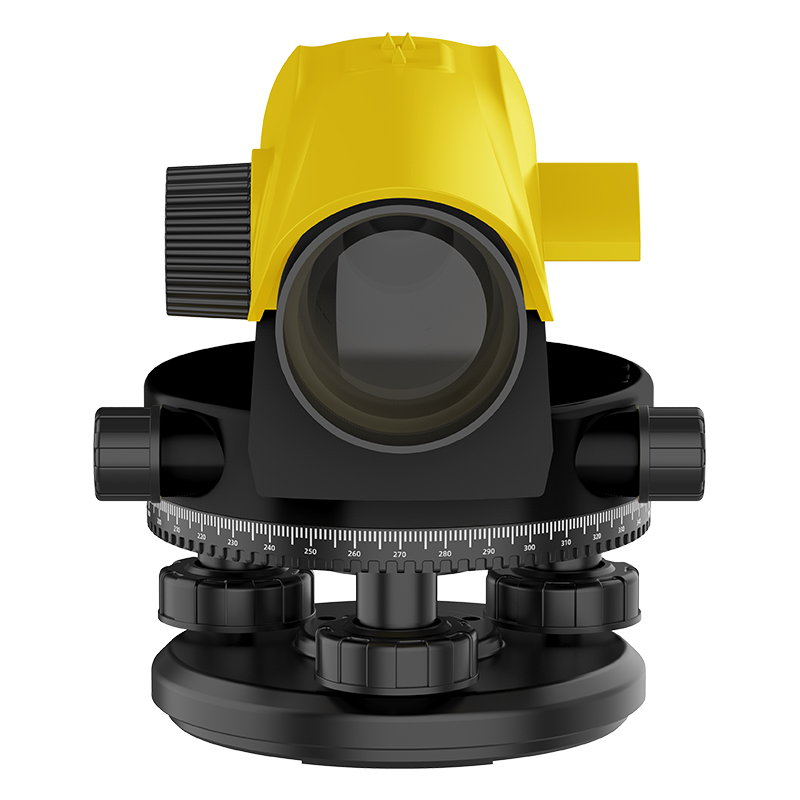
Kjo thjeshtësi “me një buton” është transformuese. Për një gjeodezist me përvojë, kjo do të thotë vendosje dramatikisht më të shpejtë dhe më shumë matje në ditë. Për një fillestar në profesion, kjo do të thotë një kurbë të mësuari shumë më të shkurtër — instrumenti garanton një rrafsh horizontal të nivelit, kështu që nevojitet vetëm mbledhje dhe zbritje bazike nga një lartësi referencë. Auto Level-i në mënyrë efektive demokratizon nivelimin me saktësi, duke e bërë atë të arritshëm për këdo që mund të operojë një trekëmbësh dhe të lexojë një shirit.
Optika e Lartë: E Qartë, e Ndritshme dhe që Zvogëlon Lodhjen e Syrit
Një Auto Level i cilësisë së lartë përmban një teleskop të projektuar në mënyrë optimale që ofron një pamje jashtëzakonisht të ndritshme dhe të mprehtë. Instrumentet me klasifikimin profesional zakonisht ofrojnë zmadhimet që variojnë nga 20x në 32x. Zmadhimi më i lartë lejon lexime më të sakta të shkopit në distanca më të mëdha, ndërsa lentet objektive më të mëdha (36mm ose më shumë) grumbullojnë më shumë dritë për rritjen e dukshmërisë në kushte të ulëta të dritës.
Modelet premium të Auto Level përmbajnë lente me veshje shumëfishe që zvogëlojnë reflektimin e dritës dhe rrisin kontrastin e imazhit, duke bërë që graduimet e personelit të jenë më të dallueshme dhe duke zvogëluar ndjeshëm lodhjen e syrit gjatë seancave të zgjatura në terren. Disa instrumente të avancuara ofrojnë gjithashtu distanca fokusi ultra-të shkurtra — aq afër sa 20cm (7.9 inç) nga fundi i teleskopitit — duke i bërë ato jashtëzakonisht të lehta për t'u përdorur në lokacione të ngushta. Rezultati është një përvojë shikimi që ju mban të rehatshëm dhe të saktë, orë pas ore.
Ndërtuar për Terrenin: Qëndrueshmëri dhe Rezistencë ndaj Kushteve Meteorologjike
Puna në terren nuk është mëshirë. Pluhuri, lagështira, goditjet dhe ekstremet e temperaturës janë pjesë e punës ditore. Instrumentet moderne të Auto Level janë inxhinierizuar për të rezistuar këto kushte. Modelet premium përmbajnë trupat e fortë dhe kompakt që janë të vulosur fort kundër ujit, lagështirës dhe pluhurit — disa duke arritur klasifikime IPx6 ose IP54.
Këto instrumente ruajnë saktësinë e qëndrueshme në kushte të ndryshme të funksionimit dhe diapazonate e temperaturës. Disa modele të avancuara madje përfshijnë veçori kompensimi të temperaturës që rregullojnë automatikisht leximet bazuar në kushtet ambientale, duke siguruar performancën e besueshme gjatë sezoneve të ndryshme dhe klimave. Vetë kompensatori është i mbrojtur kundër goditjeve, dhe mekanizmat e shuarjes së dridhjeve janë shumë efektiv — kështu që Auto Level juaj vazhdon të japë rezultate të sakta edhe kur vendi i punës bëhet i ashpër.
Saktësi që Frymëzon Besim
Instrumentet profesional të nivelit automatik zakonisht ofrojnë saktësi në rangun e ±1.5mm deri ±2.5mm për kilometër të nivelimit me dy kalime. Modelet e lartë mund të arrijnë edhe precizion më të madh — disa duke arritur ±0.7mm për kilometër kur përshtaten me një mikrometër pllake paralele.
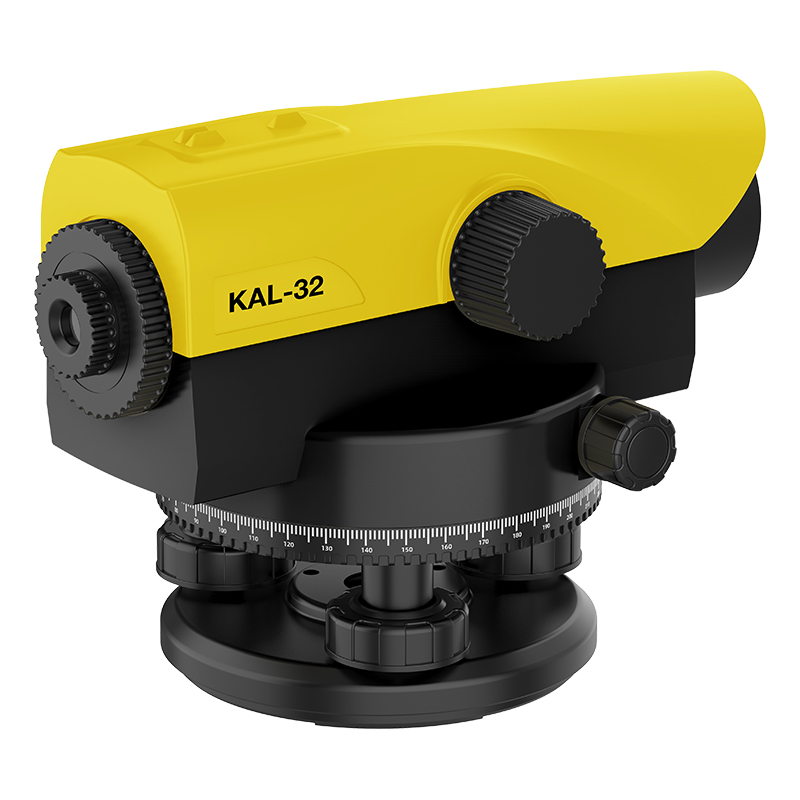
Ky nivel i saktësisë është më se i mjaftueshëm për shumicën dërmuese të detyrave të ndërtimit dhe matjes së përgjithshme. Dhe për shkak se kompensuesi i nivelit automatik korrigjon automatikisht për anime të vogla, mund të mbiheni që çdo lexim është konsistent dhe i përsëritshëm — përgatitje pas përgatitjeje, ditë pas dite. Rezultati është besim në matje që përkthehet drejtpërdrejt në cilësinë e projektit dhe qetësinë e mendjes.
Aplikacionet Kryesore të Nivelit Automatik
Niveli Automatik është një instrument jashtëzakonisht i gjithanshëm që përdoret në një gamë të gjerë aplikimesh:
Paraqitja e Ndërtimit dhe Nivelimi i Terrenit: Verifikimi i lartësive të themeleve, bazamenteve dhe mureve. Vendosja e niveleve për rrugë, parkingje dhe sisteme kullimi.
Struktura Karkasë: Sigurimi që trarët, kolonat dhe pllakat e dyshemesë janë instaluar në lartësitë e sakta.
Ndërtimi i Rrugëve, Hekurudhave dhe Tubacioneve: Matja rutinë e lartësive dhe shtrirja për projekte infrastrukturore.
Punimet e Themeleve dhe Gërmimeve: Matja e thellësisë së gropës së themeleve dhe shtrirja e lartësive të shtyllave.
Kullimi dhe Vendosja e Pjerrësisë: Vendosja e kullimit të duhur për strukturat dhe verifikimi i pjerrësive.
Monitorimi i Deformimit dhe Vendosjes: Gjurmimi i uljes së tokës dhe lëvizjes strukturore me kalimin e kohës.
Topografia: Mbledhja e të dhënave të lartësisë për hartë dhe analizë të terrenit.
Matje Industriale: Instalimi i makinerive të mëdha dhe matje precize inxhinierike.
Rrjeti i Tunelit dhe Minierave: Matjet e lartësisë në ambiente të vështira nëntokësore.
Çfarë të kërkoni kur blini një Auto Level?
Me shumë modele Auto Level në treg, zgjedhja e atij të duhur kërkon konsideratë të kujdesshme. Këtu janë faktorët kryesorë për të vlerësuar:
- Kërkesa për Saktësi
Specifikacioni i saktësisë përfaqëson gabimin maksimal që mund të pritsni në një distancë specifike, zakonisht i shprehur në milimetra për kilometër. Konsideroni kërkesat e projektit tuaj me kujdes — instrumentet me saktësi më të lartë kanë çmime premium por mund të jenë thelbësorë për aplikacione kritike. - Fuqia e Zmadhimit
Shumica e instrumenteve profesionale Auto Level ofrojnë zmadhime midis 20x dhe 32x. Zmadhimi më i lartë lejon lexime më të sakta të stafetës në distanca më të mëdha, por mund të zvogëlojë fushën e pamjes. Konsideroni distancat tuaja tipike të punës kur zgjidhni fuqinë e zmadhimit. - Cilësia e Kompensatorit dhe Diapazoni i Punës
Kompensatori është zemra e çdo Auto Level. Kërkoni modele me sisteme magnetike amortizimi që vendosen shpejt dhe sigurojnë stabilitet të shkëlqyer kundër vibrimeve. Kontrolloni gamën e punës së kompensatorit (zakonisht ±3′ në ±15′) — një gamë më e gjerë do të thotë se instrumenti është më i tolerueshëm ndaj konfigurimit të vrazhdë. - Cilësia Optike
Lente me shumë shtresa zvogëlojnë reflektimin e dritës dhe rrisin kontrastin e imazhit. Një lente objektive më e madhe në kombinim me zmadhimin e duhur siguron visibilitet më të mirë në kushte të ndryshme ndriçimi. Kërkoni elementë optikë plotësisht të veshur që ofrojnë imazhe të mprehtë dhe të qarta. - Qëndrueshmëria dhe Mbrojtja nga Mjedisi
Merrni parasysh mjedisin e punës. Nëse punoni jashtë në kushte të pafavorshme, kërkoni modele me vlerësime rezistente ndaj pluhurit dhe shtrimeve (IP54 ose më të larta). Karakteristikat e kompensimit të temperaturës janë të vlefshme për punë gjatë gjithë vitit në klima të ndryshme. - Lehtësia e Vendosjes dhe Përdorimit
Kontrolloni mekanizmin e fokusimit — ai duhet të funksionojë butësisht. Merrni parasysh nëse nivela rrethore është lehtë e dukshme (disa modele kanë një pentaprizmë ose pasqyrë përveç okularit). Diskurset horizontale pa fund mundësojnë pointim të shpejtë dhe të imët. - Distanca më e Shkurtër e Fokusimit
Nëse punoni në hapësira të ngushta, kontrolloni distancën minimale të fokusimit. Disa modele premium fokusojnë aq afër sa 20cm nga fundi i teleskopeve. - Përputhshmëria me Trekëmbësh
Sigurohuni që Auto Level përshtatet me trikojat tuaj ekzistuese. Shumica e modeleve profesionale kanë një fije trikoje standarde 5/8″-11. - Kalibrimi dhe Mirëmbajtja
Prodhuesit e cilësisë ofrojnë certifikata kalibrimi dhe përcaktojnë intervalet e rekalibrimit. Kalibrimi i rregullt sigurohet që Auto Level juaj të vazhdojë të ofrojë matje të sakta gjatë të gjithë jetëgjatësisë së tij operacionale.
Përfundim
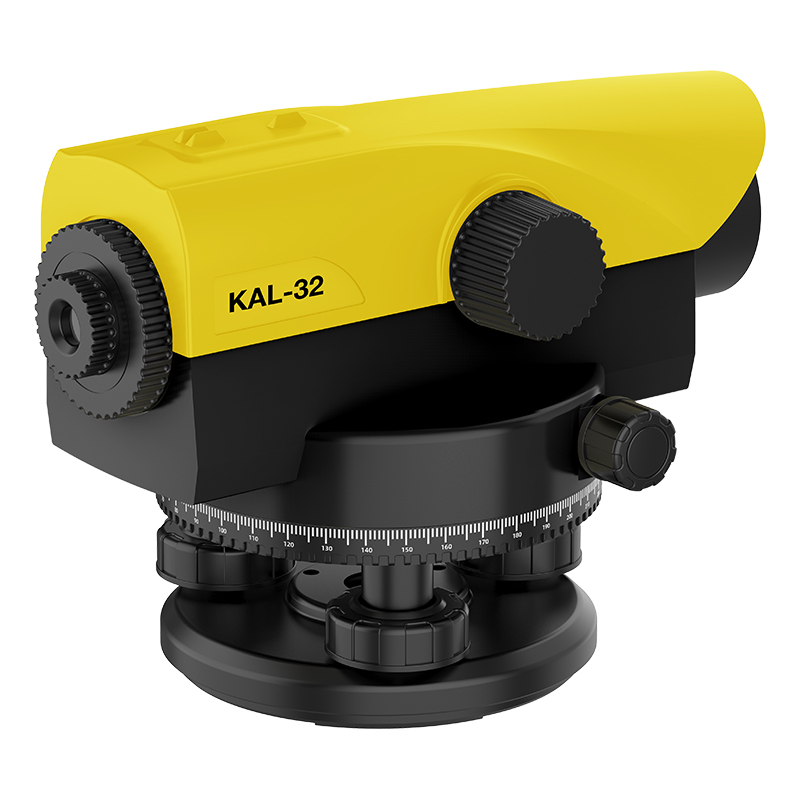
I/E/Të/Të Niveli Automatik ka ndryshuar rrënjësisht mënyrën se si i qasemi nivelimit dhe matjes së lartësisë. Duke zëvendësuar nivelimin manual të mundimshëm me flluskë me një kompensator automatik inteligjent, ai ka shkurtuar ndjeshëm kohën e vendosjes, ka reduktuar lodhjen e operatorit dhe e ka bërë nivelimin preciz të arritshëm për profesionistë të të gjitha niveleve të aftësive. Nga kantieret e ndërtimit dhe projektet rrugore deri te rilevimet e tuneleve dhe monitorimi i deformimeve, Auto Level ofron saktësinë, qëndrueshmërinë dhe lehtësinë e përdorimit që kërkon rilevimi modern.
Pyetjet e bëra më shpesh
P1: Cili është ndryshimi midis një Auto Level dhe një dumpy level?
Një dumpy level kërkon që instrumenti të nivelohet në mënyrë të përsosur duke përdorur tre vida këmbësh dhe një libelë të ndjeshme me flluskë — një proces që kërkon kohë dhe duhet të përsëritet në çdo vendosje. Një Auto Level përfshin një kompensator të brendshëm që korrigjon automatikisht pjerrësitë e vogla, kështu që ju duhet vetëm ta niveloni instrumentin përafërsisht. Studimet tregojnë se auto level-at e ulin kohën e ekipit me 16 deri në 34 për qind krahasuar me dumpy level-at.
P2: Sa i saktë është një Auto Level?
Instrumentet Auto Level të nivelit profesional zakonisht ofrojnë saktësi nga ±1.5 mm deri në ±2.5 mm për kilometër nivelimi me kthim të dyfishtë. Modelet e nivelit të lartë mund të arrijnë ±0.7 mm për kilometër kur përdoren së bashku me një mikrometër me pllakë paralele.
P3: Çfarë zmadhimi më nevojitet?
Shumica e instrumenteve profesionale Auto Level ofrojnë zmadhime nga 20x deri në 32x. Zmadhimi më i lartë mundëson lexime më të sakta të lateve në distanca më të mëdha, por mund të zvogëlojë fushën e shikimit. Zgjidhni në bazë të distancave tuaja tipike të punës.
Q4: Si funksionon kompensatori?
Kompensatori përdor gravitetin për të pezulluar ose balancuar një pjesë të optikës së instrumentit. Kur instrumenti anohet pak, kompensatori lëkundet për të rregulluar automatikisht rrugën optike, duke siguruar që vija e shikimit të mbetet plotësisht horizontale. Modelet premium kanë amortizim magnetik për ta stabilizuar shpejt kompensatorin dhe për të reduktuar efektet e dridhjeve.
P5: A mund të përdor një nivel automatik në mot të keq?
Po — shumë modele profesionale të nivelit automatik kanë kuti të mbyllura dhe rezistente ndaj motit, me vlerësim IP54 ose më të lartë. Ato janë projektuar për të punuar në mënyrë të besueshme në pluhur, lagështi dhe temperatura ekstreme.
P6: Si e mirëmbaj nivelin tim automatik?
Mirëmbajtja e rregullt përfshin mbajtjen e optikës të pastër, ruajtjen e instrumentit në kutinë e tij mbrojtëse dhe kalibrimin profesional në intervale të rekomanduara. Gjithmonë sigurohuni që tripodi të jetë i qëndrueshëm dhe instrumenti të jetë i lidhur mirë përpara përdorimit.
P7: Cili është diapazoni i punës së kompensatorit?
Diapazoni i punës së kompensatorit ndryshon sipas modelit, por zakonisht varion nga ±3′ në ±15′. Një diapazon më i gjerë do të thotë se instrumenti është më tolerant ndaj konfigurimeve të përafërta.
P8: A kam nevojë për një tripod të veçantë për nivelin automatik?
Shumica e modeleve profesionale Niveli Automatik kanë një filetim standard trekëmbëshi 5/8″-11, duke i bërë ato të pajtueshme me shumicën e trekëmbëshave të matjes. Zgjidhni një trekëmbësh të qëndrueshëm dhe të fortë, të përshtatshëm për peshën e instrumentit dhe kushtet tuaja të punës.