
 Japanese
  English
  French
  German
  Spanish
  Italian
  Korean
  Vietnamese
  Thai
Thai  Myanmar
  Albanian
  Polish
  Khmer
Khmer  Arabic
 レーザーレベルとは何か、そして建設にはなぜ必要か?
レーザーレベルは、壁や床、建設現場全体にわたって、完全に水平または垂直な基準線を作り出すために、明るくまっすぐなレーザービームを投影する必須の電子工具です。限られた範囲しか測定できない従来の水準器とは異なり、建設用レーザーレベルは部屋全体や屋外エリアを瞬時にカバーし、測定やマーキングの時間を大幅に節約します。
現代の建設現場では、レーザーレベルは壁の直角出し、地面のレベリング、勾配設定、ドロップシーリングの設置、タイルの敷設、構造物の枠組みなどのタスクに不可欠なものとなっています。電気技師、配管工、HVAC技術者、一般建設業者、土木技師のいずれであっても、ツールキットに適切なレーザーレベルを持つことは、生産性と仕事の品質に直接影響します。
建設現場で使用されるレーザーレベルの主な種類
適切な選択を行うための第一歩は、レーザーレベルの種類を理解することです。最も一般的な3種類は、ロータリーレーザーレベル、ラインレーザーレベル(ラインジェネレーターとも呼ばれる)、ドットレーザーレベルです。
ラインレーザーレベル (クロスライン&マルチライン)
ラインレーザーレベルは、1本以上の固定された直線を投影します。通常は水平線、垂直線、またはその両方で、位置合わせタスク用のクロスラインまたは複数の直線を形成します。これらは室内建設作業で最も一般的なタイプのレーザーレベルです。
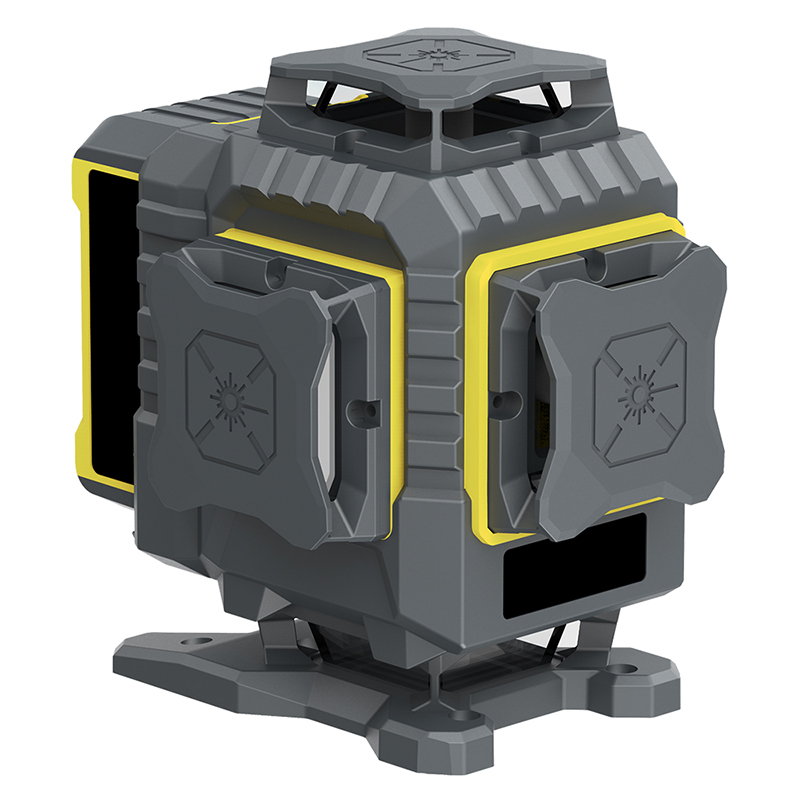
最適な用途:
写真の掛け替え、キャビネットの取り付け、棚板の設置
タイル貼りやフローリングのレイアウト
乾式壁の設置とフレーミング
吊り天井の設置
内壁のレイアウト
主な仕様
範囲: 通常は 50 ~ 100 フィート
精度:±1/8インチ(30フィート時) / ±3mm(10m時)
クロスラインレーザーレベルはラインレーザーの一種で、垂直の水平および垂直ビームを投影し、完全な90度の角度基準を作成するために交差します。マルチラインレーザーレベルは360°の水平および垂直平面を含む複数のラインを同時に投影できます。
ロータリーレーザーレベル
ロータリーレーザーレベルは、高速でレーザードットを回転させて、建設現場全体に360°の連続レーザー平面を作成します。これらは建設レーザーの世界で最も堅牢な主力ツールです。
最適な用途:
屋外の勾配調整と掘削
基礎工事とコンクリート型枠の設置
大規模商業建設
造園とフェンス工事
現場レイアウトと測量
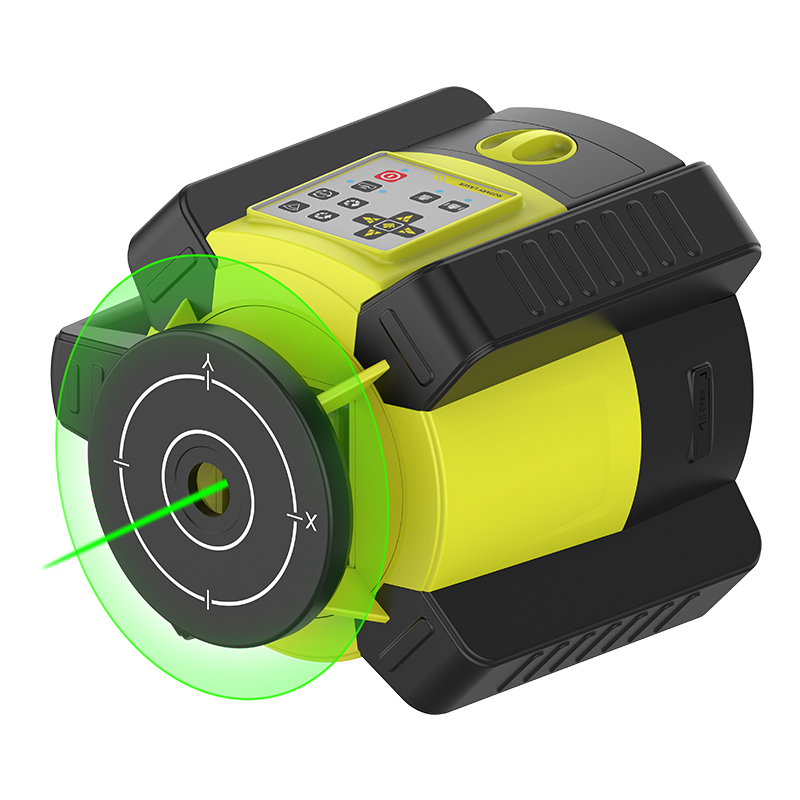
主な仕様
範囲:レシーバー使用時500~2,000+フィート
精度: 100フィート時の±1/16インチ(標準)
回転レーザーは室内と屋外の両方で使用できますが、長距離レベリングが必要な屋外環境で特に優れています。ほとんどの場合、特に明るい日光下では、長距離のビームを読み取るためにレーザー検出器またはレシーバーが必要です。
ドット・ポイントレーザーレベル
ドット レーザー レベル (プラムやマルチポイント レーザー レベルとも呼ばれます) は、線の代わりに、表面に個々のドット (通常は 3 ~ 5 ポイント) を投影します。
最適な用途:
壁の垂直調整と電気設備
床から天井へのポイントの転写
ポイント・ツー・ポイント・アライメント
石膏ボード工事
建設プロジェクトに最適なレーザー レベルを選択する方法
屋内対屋外レーザーレベル: どちらが必要ですか?
レーザーレベルの購入ガイドにおいて最も重要な決定の1つは、主にどこでこのツールを使用するかを決定することです。
屋内の建設作業の場合
ラインレーザーレベル(クロスラインまたはマルチラインタイプ)が通常最適な選択肢です
10~30メートル(33~100フィート)の範囲で、ほとんどの屋内作業に十分対応できます。
赤色ビームは管理された屋内照明で良好に機能します
自動調整レーザーレベルは速度と精度の面で強く推奨されます
屋外の建設現場の場合:
回転型レーザー レベルは、屋外の建設現場での推奨される選択肢です
通常、レーザーディテクターまたはレシーバーが必要になります。最も明るい可視ビームでも日中は見失うことがあるためです。
緑色のビームは屋外での優れた視認性を提供します
IP54以上のより高いIP等級(防塵・防水性能)を探してください
レーザーレベルの精度:それらの数字は何を意味するのか?
レーザーレベルの精度は通常、距離に対する偏差として表現されます。例えば、30フィートで±1/8インチ、または10メートルで±3mm。これは、その距離にわたる水平からの最大偏差を意味します。
精度の段階
プレミアムモデル:33フィートで±1/16インチ(10mで±1.5mm)- 仕上げ工事とキャビネット製作用の超高精度
中級モデル:30フィートで±1/8インチ(10mで±3mm)—ほとんどの建設およびタイル施工に適しています
予算モデル:±1/4インチ以上 — カジュアルなDIYには許容範囲ですが、プロの建設には不適切
プロの建設業または産業環境では、10メートルで±1~2 mmの精度を備えたモデルを選択することが重要です。すべてのレーザーレベルでは距離とともに誤差が増加することに注意してください。最高の精度はレーザー送信機に可能な限り近い場所で作業する場合に達成されます。
レーザーレベルの範囲:どのくらいの距離が必要ですか?
レーザーレベルの範囲は、効率的に処理できるプロジェクトのサイズを決定します。
ラインレーザー: 最大可視距離50~100フィート。検出器を使用するとわずかに拡張可能
回転レーザーは室内と屋外の両方で使用できますが、長距離レベリングが必要な屋外環境で特に優れています。ほとんどの場合、特に明るい日光下では、長距離のビームを読み取るためにレーザー検出器またはレシーバーが必要です。
ドット・ポイントレーザーレベル
ドット レーザー レベル (プラムやマルチポイント レーザー レベルとも呼ばれます) は、線の代わりに、表面に個々のドット (通常は 3 ~ 5 ポイント) を投影します。
最適な用途:
壁の垂直調整と電気設備
床から天井へのポイントの転写
ポイント・ツー・ポイント・アライメント
石膏ボード工事
建設プロジェクトに最適なレーザーレベルの選択方法
屋内対屋外レーザーレベル: どちらが必要ですか?
レーザーレベルの購入ガイドにおいて最も重要な決定の1つは、主にどこでこのツールを使用するかを決定することです。
屋内の建設作業の場合
ラインレーザーレベル(クロスラインまたはマルチラインタイプ)が通常最適な選択肢です
10~30メートル(33~100フィート)の範囲で、ほとんどの屋内作業に十分対応できます。
赤色ビームは管理された屋内照明で良好に機能します
自動調整レーザーレベルは速度と精度の面で強く推奨されます
屋外の建設現場の場合:
回転型レーザー レベルは、屋外の建設現場での推奨される選択肢です
通常、レーザーディテクターまたはレシーバーが必要になります。最も明るい可視ビームでも日中は見失うことがあるためです。
緑色のビームは屋外での優れた視認性を提供します
IP54以上のより高いIP等級(防塵・防水性能)を探してください
レーザーレベルの精度:それらの数字は何を意味するのか?
レーザーレベルの精度は通常、距離に対する偏差として表現されます。例えば、30フィートで±1/8インチ、または10メートルで±3mm。これは、その距離にわたる水平からの最大偏差を意味します。
精度の段階
プレミアムモデル:33フィートで±1/16インチ(10mで±1.5mm)- 仕上げ工事とキャビネット製作用の超高精度
中級モデル:30フィートで±1/8インチ(10mで±3mm)—ほとんどの建設およびタイル施工に適しています
予算モデル:±1/4インチ以上 — カジュアルなDIYには許容範囲ですが、プロの建設には不適切
プロの建設業または産業環境では、10メートルで±1~2 mmの精度を備えたモデルを選択することが重要です。すべてのレーザーレベルでは距離とともに誤差が増加することに注意してください。最高の精度はレーザー送信機に可能な限り近い場所で作業する場合に達成されます。
レーザーレベルの範囲:どのくらいの距離が必要ですか?
レーザーレベルの範囲は、効率的に処理できるプロジェクトのサイズを決定します。
ラインレーザー:最大可視範囲は50~100フィート。検出器を使用することでわずかに延長可能
回転レーザー: 優れた受信機があれば、500~2,000フィートの動作範囲を達成できます
長距離は、大きな庭の採点、商業用建造物の基礎設置、および大規模な土地にフェンスポストを設置するために不可欠です。小さな部屋と屋内プロジェクトの場合、短距離モデルは完璧に機能します。
グリーンレーザーと赤色レーザーレベル:どちらの色を選ぶべきか?
グリーンレーザーレベルはここ数年で人気が急速に高まっており、その理由も明らかです。
グリーンレーザーは赤色レーザーよりも人間の目に最大4倍見えやすい
緑色のビームは明るい環境と長距離での視認性が大幅に向上します
グリーンレーザーは赤色のものよりも作業範囲が広く、建設現場に最適です
赤色レーザーは消費電力が少なく、一般的にはより手頃な価格で、照明がより管理された屋内環境で良好なパフォーマンスを発揮します
推奨事項:主に屋外または明るい環境で作業する場合は、緑色のレーザーレベルに投資してください。予算内で屋内作業を行う場合、赤色レーザーは通常十分です。
自動調平の利点:
手動レベリングレーザーより高い精度
動いたり、水準から大きくずれたりすると自動的にシャットダウンします
工事現場での時間節約と信頼性向上
凹凸のある屋外プロジェクトに最適
手動レーザーレベルは、オペレーターがノブを回し、バブルバイアルに合わせて手動で水平調整する必要があります。より低価格で、シンプルな住宅改装プロジェクトに最適です。
プロフェッショナルな建設工事には、自動調整式レーザーレベルがほぼ常に最適な選択肢です。
建設用レーザーレベルで注目すべき主要機能
建設事業向けレーザーレベルを比較する際は、以下の機能に注目してください。
自動調整範囲 — 通常±4°;不均な表面には広いほうが良い
IP定格—作業現場でのほこりと水の耐性のためにIP54以上
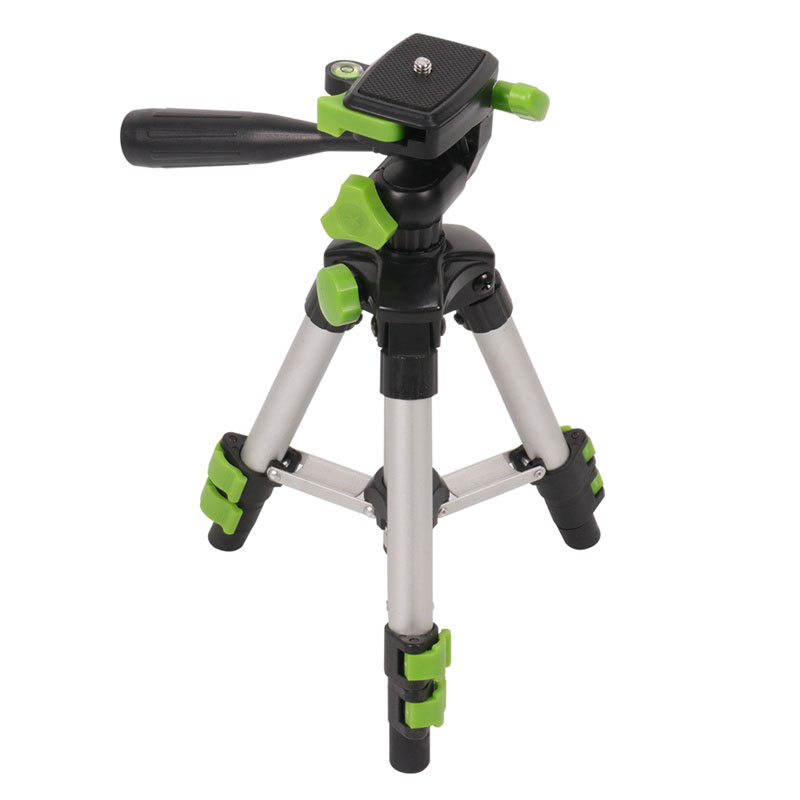
マウントオプション - マグネットマウント、三脚ネジ(1/4″-20または5/8″-11)、壁面ブラケット
バッテリー寿命 — 充電式リチウムイオン電池は、より長い使用時間を提供し、継続的なコストを削減します
パルスモード — 屋外作業用のレーザー検出器との使用を可能にします
ビーム数 — シングルライン、クロスライン、マルチライン、または360°プレーンカバレッジ
レーザーレベル購入ガイド: 予算に関する考慮事項
レーザーレベルの価格は、タイプ、機能、ブランドに基づいて大きく異なります。
エントリーレベルのラインレーザー:$50–$150—時折のDIYと軽い建設作業に適しています
中価格帯のラインレーザー: $150–$400 — プロフェッショナルグレードのクロスライン・マルチラインモデル
回転レーザー: $300~$1,500以上 — 大規模建設用の専門用具
最も安い選択肢が常に最もコスト効率的とは限らないことを忘れずに。一貫した精度を提供する信頼性の高い建設用レーザーレベルは、時間を節約し、やり直しを減らし、最終的には自らの費用を回収します。
購入前の重要な検討事項 レーザーレベルを購入する前に
- キットの内容を確認してください。多くのレーザーレベルは、三脚、壁マウント、キャリングケース、レーザーディテクター、グレードロッドなどの必須アクセサリーを含むキットとして販売されています。完全なキットは、コンポーネントを個別に購入するよりも費用対効果が高いことがよくあります。
- 検出器の互換性を確認します。屋外で作業する予定がある場合は、レーザーレベルがレーザー検出器またはレシーバーと互換性があることを確認してください。すべてのモデルがこの機能をサポートしているわけではありません。
- マウントシステムを検討してください。レーザーレベルが標準的な三脚ネジ(通常1/4″-20または5/8″-11)に対応していることを確認してください。磁気マウントは金属スタッドや足場への取り付けに特に有効です。
- 建設品質と耐久性を評価してください。建設現場は過酷な環境です。ほこり、水、衝撃に耐えるように設計された堅牢で、しばしば金属製のハウジングを備えたレーザーレベルを探してください。
- 保証とサポートを確認してください。プロフェッショナルグレードのレーザーレベルは、通常、より優れた保証範囲とメーカーサポートが付属しています。
- 可視性をテストする。可能であれば、購入前に実際にレーザービームを見てください。店頭では明るく見えるものでも、明るい建設現場では性能が出ない場合があります。
- 将来のニーズを考慮する。現在のプロジェクト以上を考えましょう。今日、少し性能の高いレーザーレベルを選ぶことで、来年別の工具を購入する必要がなくなるかもしれません。
建設用レーザーレベルに関するよくある質問
Q1: ラインレーザーと回転レーザーの違いは何ですか?
あ ラインレーザー プロジェクトは水平、垂直、または交差した直線を近くの表面に投影し、タイル張り、キャビネット工事、フレーミングなどの室内作業に最適です。回転レーザーは360°ビームを回転させて大きな領域全体に連続的なレベル面を作成し、屋外の勾配調整、基礎工事、大規模商業プロジェクトに理想的です。回転レーザーは射程距離が大きいため、屋外の精度の点で直線レーザーを上回ります。
Q2: 直線レーザーレベルを屋外で使用できますか?
可能ですが、制限があります。ラインレーザーは通常、50~100フィートの可視範囲を持ち、明るい日光では苦労することがあります。屋外での作業には、通常、検出器付きの回転レーザーをお勧めします。
Q3: グリーンレーザーレベルは追加費用の価値がありますか?
ほとんどのプロフェッショナルアプリケーションではそうです。グリーンレーザーは赤色レーザーよりも人間の目に最大4倍見えやすく、屋外での作業や明るい室内環境での作業に大幅に優れています。
Q4: 建設工事にはどの程度の精度が必要ですか?
ほとんどの建設タスクでは、30フィートで±1/8インチ(10mで±3mm)で十分です。キャビネット工事またはタイル張りなどの精密仕上げ作業については、33フィートで±1/16インチ(10mで±1.5mm)のものを探してください。
Q5: レーザーディテクターの機能は何ですか?
レーザー検出器(またはレシーバー)は、肉眼では見えないレーザービームを検出するために使用されます。通常は屋外の明るい日光の中や長距離での使用に適しています。検出器はビームを見つけると、視覚的および聴覚的信号を発します。
Q6: レーザーレベルのメンテナンス方法は?
ユニットをきれいに保ち、使用しないときは保護ケースに保管してください。落下したり、ツールに強い衝撃を与えたりしないでください。自動調整モデルの場合、輸送前に常にペンジュラムをロックして、損傷を防いでください。
Q7: 1台のレーザーレベルですべての用途に対応できますか?
単一のレーザーレベルがすべての用途に理想的とは限りません。ほとんどのプロフェッショナルは複数のタイプを所有しています。通常は室内作業用のラインレーザーと屋外プロジェクト用の回転レーザーです。