
 Arabic
  English
  French
  German
  Spanish
  Italian
  Japanese
  Korean
  Vietnamese
  Thai
Thai  Myanmar
  Albanian
  Polish
  Khmer
Khmer ما هو مستوى الليزر ولماذا تحتاج واحدًا للبناء؟
مستوى الليزر هو أداة إلكترونية أساسية تُسقط شعاعات ليزر ساطعة ومستقيمة لإنشاء خطوط مرجعية مستوية أو راسية بشكل مثالي عبر الجدران والأرضيات وعلى مواقع البناء بأكملها. بخلاف مستويات الفقاعات التقليدية التي تقيس فقط نطاقًا محدودًا، يمكن لمستوى الليزر في البناء أن يغطي غرفًا بأكملها أو مناطق خارجية في الحال، مما يوفر ساعات من القياس والتحديد.
على مواقع البناء الحديثة، أصبحت مستويات الليزر لا غنى عنها لمهام مثل مقاومة الجدران وتسوية الأرضيات وإنشاء المنحدرات وتثبيت الأسقف المعلقة وتركيب البلاط وتأطير الهياكل. سواء كنت كهربائيًا أو سباكًا أو فني تكييف وتهوية أو مقاولًا عامًا أو مهندسًا مدنيًا، فإن وجود مستوى الليزر المناسب في مجموعة أدواتك يؤثر بشكل مباشر على إنتاجيتك وجودة عملك.
الأنواع الرئيسية لمستويات الليزر في أعمال البناء
فهم الأنواع المختلفة من مستويات الليزر هو الخطوة الأولى لاتخاذ الخيار الصحيح. الأنواع الثلاثة الأكثر شيوعًا هي مستويات الليزر الدوارة ومستويات الليزر الخطية (تسمى أيضًا مولدات الخطوط) ومستويات الليزر النقطية.
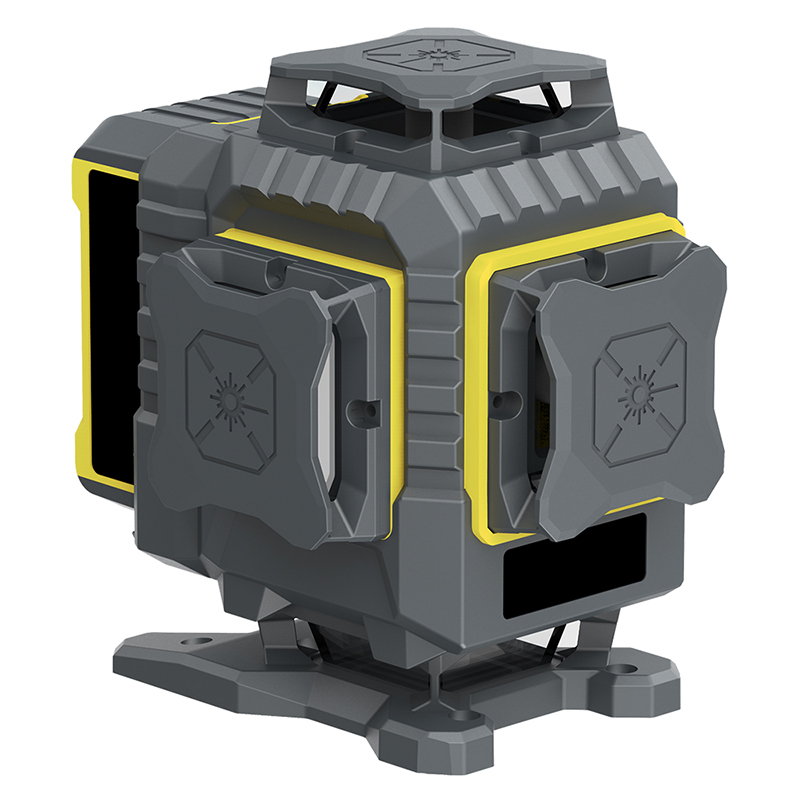
مستويات الليزر الخطية (مستويات الخطوط المتقاطعة والمتعددة)
تُصدر مستويات الليزر الخطية واحداً أو أكثر من الخطوط المستقيمة الثابتة—عادةً أفقية أو عمودية أو كلاهما—مما يشكل خطاً متقاطعاً أو خطوطاً متعددة لمهام المحاذاة. هذه هي النوع الأكثر شيوعاً من مستويات الليزر للعمل الإنشائي الداخلي.
الأفضل لـ:
تعليق الصور وتركيب الخزائن والرفوف
تخطيطات الأرضيات والبلاط
تركيب الجدران الجافة والهياكل الإنشائية
تركيب السقف المعلق
تخطيطات الجدران الداخلية
المواصفات الرئيسية:
النطاق: عادة 50-100 قدم
الدقة: ±1/8 بوصة عند 30 قدم (±3 ملم عند 10 أمتار)
مستويات الليزر ذات الخطوط المتقاطعة، وهي نوع فرعي من مستويات الليزر الخطية، تعكس شعاعات أفقية وعمودية متعامدة تتقاطع لإنشاء مرجع زاوية 90 درجة مثالي. يمكن لمستويات الليزر متعددة الخطوط عكس عدة خطوط في نفس الوقت، بما في ذلك المستويات الأفقية والعمودية بزاوية 360 درجة.
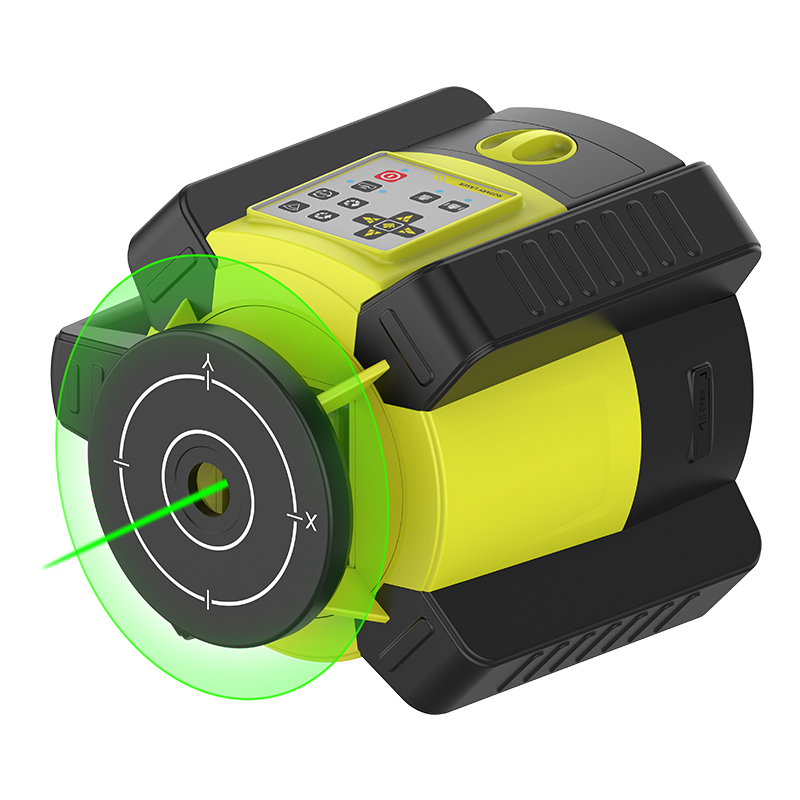
مستويات الليزر الدوارة
يدور مستوى الليزر الدوار بنقطة ليزر بسرعة عالية لإنشاء مستوى ليزر مستمر بزاوية 360° حول موقع العمل بالكامل. وهي أحصنة العمل الثقيلة في عالم ليزرات البناء.
الأفضل لـ:
تسوية وحفر المناطق الخارجية
أعمال الأساسات وتركيب القوالب الخرسانية
الإنشاءات التجارية واسعة النطاق
تنسيق الحدائق والأسوار
تخطيط الموقع والمسح
المواصفات الرئيسية:
المدى: 500–2,000+ قدم مع جهاز استقبال
الدقة: ±1/16 بوصة عند 100 قدم (نموذجي)
يمكن استخدام الليزر الدوار في الداخل والخارج، لكنه يتفوق حقًا في البيئات الخارجية حيث يتطلب التسوية بعيدة المدى. تتطلب معظمها كاشفًا أو مستقبلًا ليزر لقراءة الشعاع عبر مسافات طويلة، خاصة في ضوء الشمس الساطع.
مستويات الليزر النقطية/النقطة
تسقط مستويات الليزر النقطية (وتسمى أيضًا مستويات الليزر الرأسية أو متعددة النقاط) نقاطًا فردية (عادةً 3-5 نقاط) على الأسطح بدلاً من الخطوط.
الأفضل لـ:
محاذاة الجدران والتركيبات الكهربائية عموديًا
نقل النقاط من الأرضية إلى السقف
محاذاة نقطة إلى نقطة
أعمال الحوائط الجافة
كيف تختار أفضل مستوى ليزر لمشروع البناء الخاص بك؟
مستوى الليزر الداخلي مقابل الخارجي: أيهما تحتاج؟
أحد أهم القرارات في أي دليل شراء لمستوى الليزر هو تحديد المكان الذي ستستخدم فيه الأداة بشكل أساسي.
لأعمال البناء الداخلية:
عادةً ما تكون مستويات الليزر الخطية (خط متقاطع أو متعدد الخطوط) هي الخيار الأفضل
نطاق 10-30 مترًا (33-100 قدمًا) كافٍ لمعظم المهام الداخلية
تعمل الأشعة الحمراء بشكل جيد في الإضاءة الداخلية المتحكم بها
يُنصح بشدة باستخدام أجهزة الليزر ذاتية التسوية للسرعة والدقة
للمواقع الإنشائية الخارجية:
أجهزة الليزر الدوارة هي الخيار المفضل
ستحتاج عادةً إلى كاشف أو مستقبل ليزر، حيث يمكن أن يضيع حتى الشعاع المرئي الأكثر سطوعًا في ضوء النهار
توفر الأشعة الخضراء رؤية فائقة في الهواء الطلق
ابحث عن تصنيفات IP أعلى (IP54 أو أفضل) لمقاومة الغبار والماء
دقة مستوى الليزر: ماذا تعني تلك الأرقام؟
عادةً ما يتم التعبير عن دقة مستوى الليزر على أنها انحراف على مسافة—على سبيل المثال، ±1/8 بوصة عند 30 قدمًا أو ±3 مم عند 10 أمتار. وهذا يعني أقصى انحراف عن المستوى الحقيقي على تلك المسافة.
مستويات الدقة:
الطرازات المتميزة: ±1/16 بوصة عند 33 قدمًا (±1.5 مم عند 10 أمتار) — فائقة الدقة لأعمال التشطيب والخزائن
الموديلات متوسطة المدى: ±1/8 بوصة عند 30 قدم (±3 مم عند 10 أمتار) — مناسبة لمعظم أعمال البناء والتبليط
نماذج الميزانية: ±1/4 بوصة أو أسوأ — مقبولة للأعمال اليدوية العرضية وليس للبناء الاحترافي
بالنسبة لبيئات البناء الاحترافية أو الصناعية، فإن اختيار نموذج بدقة ±1–2 ملم عند 10 أمتار أمر حاسم. تذكر أنه مع جميع مستويات الليزر، يزداد الخطأ مع المسافة—يتم تحقيق أفضل دقة عند العمل بأقرب ما يمكن من جهاز إرسال الليزر.
نطاق مستوى الليزر: إلى أي مسافة تحتاج للوصول؟
يحدد نطاق مستوى الليزر حجم المشروع الذي يمكنك التعامل معه بكفاءة.
مستويات الخط: الحد الأقصى للمدى المرئي 50–100 قدم؛ يمكن تمديده قليلاً باستخدام كاشف
يمكن استخدام الليزر الدوار في الداخل والخارج، لكنه يتفوق حقًا في البيئات الخارجية حيث يتطلب التسوية بعيدة المدى. تتطلب معظمها كاشفًا أو مستقبلًا ليزر لقراءة الشعاع عبر مسافات طويلة، خاصة في ضوء الشمس الساطع.
مستويات الليزر النقطية/النقطة
تسقط مستويات الليزر النقطية (وتسمى أيضًا مستويات الليزر الرأسية أو متعددة النقاط) نقاطًا فردية (عادةً 3-5 نقاط) على الأسطح بدلاً من الخطوط.
الأفضل لـ:
محاذاة الجدران والتركيبات الكهربائية عموديًا
نقل النقاط من الأرضية إلى السقف
محاذاة نقطة إلى نقطة
أعمال الحوائط الجافة
كيفية اختيار أفضل مستوى الليزر لمشروع البناء الخاص بك
مستوى الليزر الداخلي مقابل الخارجي: أيهما تحتاج؟
أحد أهم القرارات في أي دليل شراء لمستوى الليزر هو تحديد المكان الذي ستستخدم فيه الأداة بشكل أساسي.
لأعمال البناء الداخلية:
عادةً ما تكون مستويات الليزر الخطية (خط متقاطع أو متعدد الخطوط) هي الخيار الأفضل
نطاق 10-30 مترًا (33-100 قدمًا) كافٍ لمعظم المهام الداخلية
تعمل الأشعة الحمراء بشكل جيد في الإضاءة الداخلية المتحكم بها
يُنصح بشدة باستخدام أجهزة الليزر ذاتية التسوية للسرعة والدقة
للمواقع الإنشائية الخارجية:
أجهزة الليزر الدوارة هي الخيار المفضل
ستحتاج عادةً إلى كاشف أو مستقبل ليزر، حيث يمكن أن يضيع حتى الشعاع المرئي الأكثر سطوعًا في ضوء النهار
توفر الأشعة الخضراء رؤية فائقة في الهواء الطلق
ابحث عن تصنيفات IP أعلى (IP54 أو أفضل) لمقاومة الغبار والماء
دقة مستوى الليزر: ماذا تعني تلك الأرقام؟
عادةً ما يتم التعبير عن دقة مستوى الليزر على أنها انحراف على مسافة—على سبيل المثال، ±1/8 بوصة عند 30 قدمًا أو ±3 مم عند 10 أمتار. وهذا يعني أقصى انحراف عن المستوى الحقيقي على تلك المسافة.
مستويات الدقة:
الطرازات المتميزة: ±1/16 بوصة عند 33 قدمًا (±1.5 مم عند 10 أمتار) — فائقة الدقة لأعمال التشطيب والخزائن
الموديلات متوسطة المدى: ±1/8 بوصة عند 30 قدم (±3 مم عند 10 أمتار) — مناسبة لمعظم أعمال البناء والتبليط
نماذج الميزانية: ±1/4 بوصة أو أسوأ — مقبولة للأعمال اليدوية العرضية وليس للبناء الاحترافي
بالنسبة لبيئات البناء الاحترافية أو الصناعية، فإن اختيار نموذج بدقة ±1–2 ملم عند 10 أمتار أمر حاسم. تذكر أنه مع جميع مستويات الليزر، يزداد الخطأ مع المسافة—يتم تحقيق أفضل دقة عند العمل بأقرب ما يمكن من جهاز إرسال الليزر.
نطاق مستوى الليزر: إلى أي مسافة تحتاج للوصول؟
يحدد نطاق مستوى الليزر حجم المشروع الذي يمكنك التعامل معه بكفاءة.
الليزرات الخطية: نطاق مرئي أقصى يبلغ 50-100 قدم؛ يمكن تمديده قليلاً باستخدام كاشف
مستويات الليزر الدوارة: يمكن تحقيق نطاق تشغيلي يتراوح بين 500–2,000 قدم مع جهاز استقبال جيد
النطاق الطويل ضروري للتدرج على مساحات كبيرة، ووضع الأساسات للهياكل التجارية، وتثبيت أعمدة السياج على ممتلكات كبيرة. بالنسبة للغرف الصغيرة والمشاريع الداخلية، تعمل النماذج قصيرة النطاق بشكل مثالي.
مستوى الليزر الأخضر مقابل مستوى الليزر الأحمر: أي لون يجب أن تختار؟
أصبحت مستويات الليزر الأخضر شائعة بشكل متزايد في السنوات الأخيرة، وهناك سبب وجيه لذلك.
الليزر الأخضر أكثر وضوحاً للعين البشرية بمقدار أربع مرات من الليزر الأحمر
تؤدي الشعاعات الخضراء أداءً أفضل بكثير في البيئات الساطعة وعلى مسافات أطول
الليزر الأخضر له مدى عمل أكبر من الليزر الأحمر، مما يجعله مثالياً لمواقع البناء
تستهلك الليزرات الحمراء طاقة أقل، وهي بشكل عام أكثر بأسعار معقولة، وتعمل بشكل جيد في الأماكن المغلقة حيث يكون الإضاءة أكثر تحكماً.
التوصية: إذا كنت تعمل بشكل أساسي في الخارج أو في بيئات مضاءة بشكل مشرق، فاستثمر في مستوى ليزر أخضر. للعمل الداخلي بميزانية محدودة، عادة ما يكون الليزر الأحمر كافياً.
مزايا التسوية الذاتية:
دقة أعلى من مستويات الليزر ذات المستوى اليدوي.
يتم إيقاف التشغيل تلقائياً إذا تم إزعاجه أو تحريكه بعيداً جداً عن مستوى التسوية
توفر الوقت وتزيد من الموثوقية على موقع العمل
مثالي لمشاريع خارجية ذات أسطح غير مستوية
تتطلب مستويات الليزر اليدوية من المشغل محاذاة الوحدة يدويًا عن طريق تدوير المقابض والمحاذاة مع فقاعات مؤشر المستوى. وهي أقل تكلفة وأنسب للمشاريع البسيطة لتجديد المنازل.
بالنسبة للعمل الإنشائي الاحترافي، عادة ما يكون مستوى الليزر ذاتي التسوية هو الخيار الأفضل.
الميزات الرئيسية التي يجب البحث عنها في مستوى الليزر الإنشائي
عند مقارنة مستويات الليزر لعملك في البناء، انتبه لهذه الميزات:
نطاق التسوية الذاتية — عادة ±4°؛ كلما زاد النطاق كان أفضل للأسطح غير المستوية
تصنيف الحماية — IP54 أو أعلى لمقاومة الغبار والماء في مواقع العمل
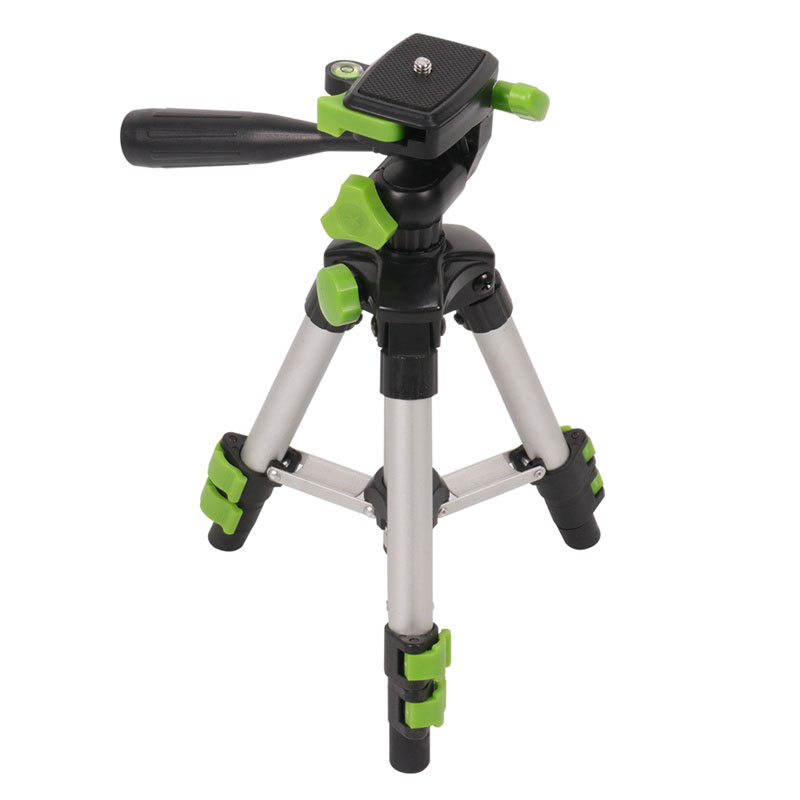
خيارات التثبيت — أحامل مغناطيسية، خيوط حامل ثلاثي القوائم (1/4″-20 أو 5/8″-11)، وأقواس الجدران
عمر البطارية — توفر بطاريات الليثيوم أيون القابلة لإعادة الشحن أوقات تشغيل أطول وتقلل من التكاليف الجارية
وضع النبض — يتيح الاستخدام مع كاشفات الليزر للعمل في الخارج
عدد الشعاعات — تغطية خط واحد أو خط متقاطع أو متعدد الخطوط أو مستوى 360°
دليل شراء مستوى الليزر: اعتبارات الميزانية
تختلف أسعار مستويات الليزر على نطاق واسع بناءً على النوع والميزات والعلامة التجارية:
مستويات الليزر للمبتدئين: $50–$150 — مناسبة للأعمال اليدوية العرضية والبناء الخفيف
مستويات الليزر متوسطة المدى: $150–$400 — نماذج احترافية من نوع الخطوط المتقاطعة والخطوط المتعددة
الليزرات الدوارة: $300–$1,500+ — أدوات احترافية لمشاريع البناء الكبيرة النطاق
تذكر أن الخيار الأرخص ليس دائماً الأكثر فعالية من حيث التكلفة. مستوى ليزر بناء موثوق يوفر دقة متسقة سيوفر لك الوقت وسيقلل من إعادة العمل وفي النهاية سيدفع ثمنه بنفسه.
اعتبارات الشراء المهمة قبل شراء مستوى ليزر
- تحقق من محتويات المجموعة. يتم بيع العديد من مستويات الليزر كمجموعات تتضمن ملحقات أساسية مثل حوامل ثلاثية الأرجل وتركيبات الحائط وحالات الحمل وكواشف الليزر وقضبان الدرجات. غالباً ما توفر المجموعة الكاملة قيمة أفضل من شراء المكونات بشكل منفصل.
- تحقق من توافق الكاشف. إذا كنت تخطط للعمل في الخارج، تأكد من أن مستوى الليزر متوافق مع كاشف ليزر أو جهاز استقبال. لا تدعم جميع الطرز هذه الميزة.
- ضع في الاعتبار نظام التركيب. تأكد من أن الليزر يناسب خيوط الحامل القياسية (عادةً 1/4″-20 أو 5/8″-11). تعتبر التثبيتات المغناطيسية مفيدة بشكل خاص لربطها بالمسامير المعدنية أو السقالات.
- قيّم جودة البناء والمتانة. مواقع البناء بيئات صعبة. ابحث عن مستويات الليزر ذات الهياكل القوية، والتي غالباً ما تكون معدنية، وتم تصميمها لتحمل الغبار والماء والصدمات.
- تحقق من الضمان والدعم. عادة ما تأتي مستويات الليزر من الدرجة الاحترافية مع تغطية ضمان أفضل ودعم من الشركة المصنعة.
- اختبر الرؤية. إن أمكن، شاهد شعاع الليزر شخصياً قبل الشراء. ما قد يبدو ساطعاً في متجر قد لا يعمل بشكل جيد في موقع بناء مشرق.
- فكر في احتياجاتك المستقبلية. فكر بما يتجاوز مشروعك الحالي. قد يوفر لك مستوى ليزر أكثر قدرة قليلاً اليوم من شراء أداة أخرى في العام القادم.
الأسئلة الشائعة حول مستويات الليزر في البناء
س1: ما الفرق بين الليزر الخطي وليزر التدوير؟
أ خط الليزر ينتج خطوطاً مستقيمة ثابتة (أفقية أو رأسية أو متقاطعة) على الأسطح القريبة وهو الأفضل للعمل الداخلي مثل التبليط والخزائن والتأطير. يقوم ليزر التدوير بتدوير شعاع بزاوية 360° لإنشاء مستوى مستمر عبر مساحات كبيرة وهو مثالي لعمليات الدرجات الخارجية وأعمال الأساس والمشاريع التجارية الكبيرة. يتفوق الليزر الدوار على الليزر الخطي من حيث دقة الخارج بسبب نطاقه الأكبر.
س2: هل يمكنني استخدام ميزان الليزر الخطي بالخارج؟
نعم، لكن مع قيود. عادة ما يكون للليزرات الخطية مدى رؤية من 50 إلى 100 قدم ويمكن أن تواجه صعوبة في أشعة الشمس الساطعة. للعمل الخارجي، عادة ما يُنصح باستخدام ليزر دوار مع كاشف.
هل مستوى الليزر الأخضر يستحق التكلفة الإضافية؟
نعم، لمعظم التطبيقات الاحترافية. الليزرات الخضراء تكون أكثر وضوحاً للعين البشرية بحوالي أربع مرات من الليزرات الحمراء، مما يجعلها أفضل بكثير للعمل في الأماكن الخارجية والبيئات الداخلية المضاءة بشكل قوي.
س4: ما دقة القياس التي أحتاجها لأعمال البناء؟
لمعظم أعمال البناء، ±1/8 بوصة في 30 قدماً (±3 ملم في 10 أمتار) كافٍ. لأعمال التشطيب الدقيقة مثل تركيب الخزائن أو البلاط، ابحث عن ±1/16 بوصة في 33 قدماً (±1.5 ملم في 10 أمتار).
س5: ما وظيفة كاشف الليزر؟
يُستخدم كاشف الليزر (أو جهاز الاستقبال) لكشف شعاع الليزر عندما لا يكون مرئيًا بالعين المجردة—عادة ما يكون في الخارج تحت أشعة الشمس الساطعة أو على مسافات طويلة. يصدر الكاشف إشارات بصرية وسمعية عند اكتشاف الشعاع.
س6: كيف أحافظ على مستوى الليزر الخاص بي؟
حافظ على الجهاز نظيفًا وقم بتخزينه في حقيبته الواقية عندما لا يكون قيد الاستخدام. تجنب إسقاط الأداة أو تعريضها لتأثيرات قوية. بالنسبة للموديلات ذات المستوى الذاتي، قم دائمًا بقفل البندول قبل النقل لمنع التلف.
س7: هل يمكن لميزان ليزر واحد أن يفي بجميع الاحتياجات؟
لا توجد مستويات ليزر واحدة مثالية لكل تطبيق. يمتلك معظم المحترفين أنواعًا متعددة—عادة ما يكون ليزر خطي للعمل الداخلي وليزر دوار للمشاريع الخارجية.