 English
  French
  German
  Spanish
  Italian
  Japanese
  Korean
  Vietnamese
  Thai
Thai  Myanmar
  Albanian
  Polish
  Khmer
Khmer  Arabic
 In the world of precision construction, surveying, and interior fitting, stability is not a luxury—it is a prerequisite. If your laser tool wobbles, your measurements are worthless. This brings us to a crucial equipment dilemma: Can a standard camera tripod or an old surveying stand handle the job, or do you specifically need a dedicated laser level tripod?
Choosing the right support system directly impacts your project’s accuracy and efficiency. While traditional tripods are versatile, they often fail to provide the vibration dampening and micro-adjustment capabilities required for modern laser tools.
Understanding the Core Design Differences
To determine which tripod offers superior stability, we must first look under the hood at their engineering philosophies. A laser level tripod is built specifically for static, high-precision optical equipment, whereas traditional tripods are often designed for photography or general support.
The Engineering Behind a Professional Laser Level Tripod
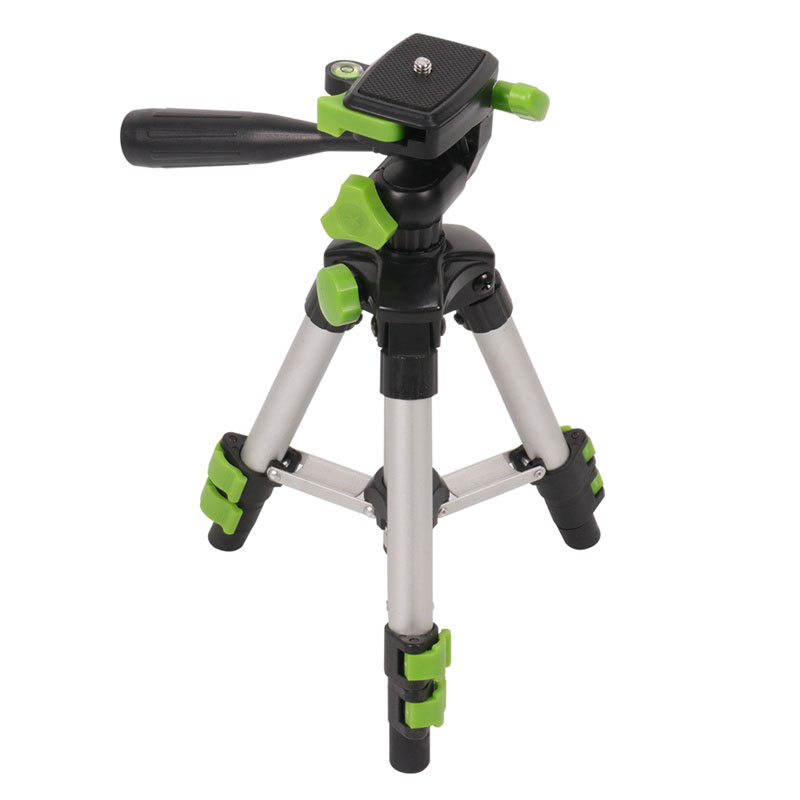
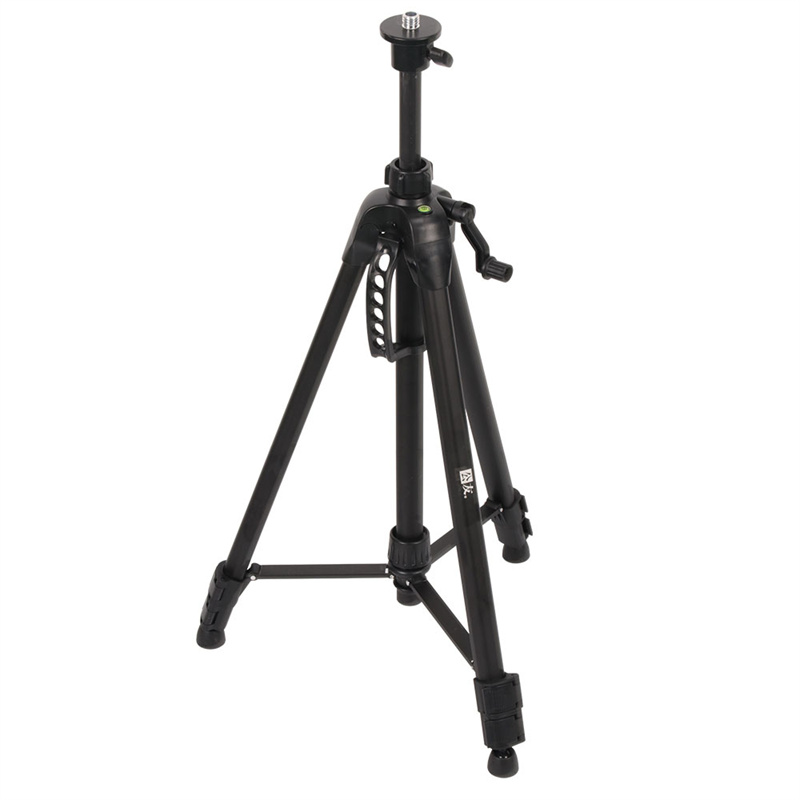
A professional surveying tripod, such as a heavy-duty laser level tripod kit, is engineered with thick, rigid legs (usually hardwood or heavy-gauge aluminum) and wide stance angles. These tripods feature metal ferrules with hardened steel points to dig into soft ground, eliminating micro-slippage. Moreover, the base of a dedicated rotary laser level tripod is equipped with a large, flat platform that perfectly mates with laser bases, ensuring zero lateral movement even when the instrument is bumped.
Why Traditional Camera Tripods Fall Short in Surveying?
Traditional tripods prioritize portability and ease of movement. While they are excellent for holding a 5-pound camera, their center-column designs create a “pendulum effect” that amplifies vibrations. When you mount a laser on a standard tripod, even the wind or heavy foot traffic nearby can cause the bubble to drift. Traditional models also lack the specialized 5/8-inch mounting thread, often relying on 1/4-inch screws that are too small for heavy rotary lasers, making them a poor choice as a line laser level tripod stand.
Stability Factors: What Makes a Laser Level Tripod Superior?
When comparing the two side-by-side, the best laser level tripod for construction outperforms traditional alternatives in three critical areas: weight distribution, ground grip, and mechanical damping.
Weight Capacity and Material Strength
The weight capacity of a laser level tripod is usually rated at 15-25 kg, significantly higher than standard camera tripods. This ensures that even heavy rotary lasers remain firmly planted. Manufacturers use high-density aluminum or solid wood; wooden legs, in particular, naturally absorb ambient vibrations (like passing vehicles), which a metal camera tripod would conduct directly to the laser. When shopping for a professional surveying laser tripod, always look for wide leg braces that lock the legs at a fixed spread angle, preventing the “sliding out” often seen on traditional stands.
Ground Grip and Leg Lock Mechanisms
A significant advantage of a heavy-duty laser level tripod is its base termination. It features dual-purpose feet: rubber pads for indoor concrete floors and retractable metal spikes for outdoor dirt or grass. Traditional tripods usually have soft rubber feet that can compress unevenly. Additionally, the positive-locking cam levers or threaded collars on a laser level tripod with height adjustment offer a much tighter, slip-free grip than the plastic friction locks found on consumer tripods.
Precision Adjustments: The “Fine-Tuning” Advantage
Stability isn’t just about standing still; it’s about making precise micro-movements without shaking the instrument. This is where the dedicated tripod shines.
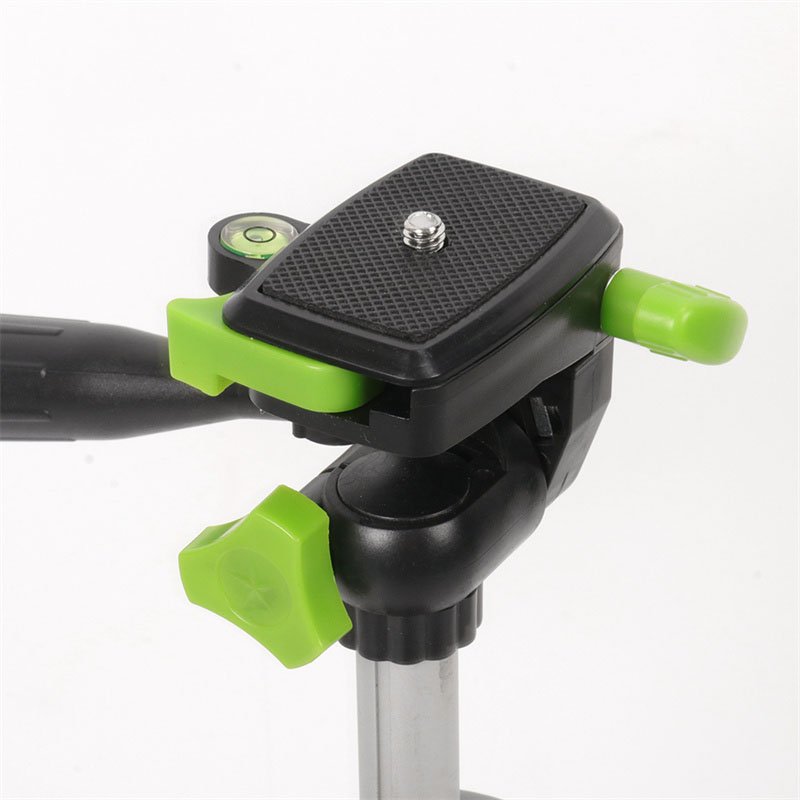
The 5/8 inch laser level tripod thread is the industry standard for construction lasers. This thicker thread provides a robust connection that eliminates the “wobble” associated with the smaller 1/4-inch thread adapters on traditional tripods. Furthermore, many specialized units feature a geared center column that allows for millimeter-level vertical adjustments. By utilizing a laser level tripod with fine adjustment, surveyors can fine-tune the height without touching the laser head, ensuring the bubble remains perfectly centered while executing the rotary laser level tripod stability requirements for long-distance grading.
Conclusion
In the debate of Laser Level Tripod vs Traditional Tripod, the winner is clear for professional applications. A traditional tripod may save you money upfront and suffice for simple, low-stakes indoor tasks where the laser is only a few feet away. However, for rigorous job sites, long-distance shoots, or grade checking, a purpose-built laser level tripod is non-negotiable. It offers superior vibration control, rugged ground penetration, and heavy-duty load capacity.
To summarize: if accuracy matters, invest in a laser level tripod. The stability it provides is the foundation upon which all your project precision is built—don’t compromise it for a portable camera stand.
Buyer’s Guide – What to Look for When Purchasing?
Before clicking the “Buy Now” button, keep these critical purchasing tips in mind to ensure you get the best laser level tripod for construction:
Thread Compatibility: Always double-check the mounting screw. Ensure it is a 5/8 inch laser level tripod thread (with a 1/4-inch adapter included) to fit both rotary and line lasers.
Leg Material: Choose hardwood for maximum vibration damping (ideal for outdoor roads) or aircraft-grade aluminum for lighter weight (ideal for indoor ceiling work).
Locking System: Prefer tripods with metal cam-locks over twist-locks. Cam-locks provide faster deployment and a more consistent clamping force across the leg sections.
Foot Spikes: Look for retractable spikes. You need rubber caps for finished floors and exposed steel tips for muddy or uneven terrain to maintain that rotary laser level tripod stability.
Transport Height: If you move between sites frequently, check the folded length. A compact, heavy-duty laser level tripod kit that fits in a flight case is worth the extra cost.
FAQ
Q1: Can I use a regular camera tripod for my rotary laser level?
A: While you can use an adapter, it is strongly discouraged. Regular camera tripods lack the load capacity and wide footprint required for rotary laser level tripod stability. The 1/4-inch screw is prone to loosening from the vibration of the motor, which could cause your laser to shift, ruining your layout.
Q2: What is the ideal height for a laser level tripod?
A: The ideal laser level tripod with height adjustment should range from roughly 1.2 meters (min) to 1.8 meters (max) when extended. However, for outdoor grading, a height of around 1.5 meters is standard to place the laser above tall grass and obstacles. Always ensure the tripod weight capacity matches your specific laser unit.
Q3: How do I maintain my laser level tripod to ensure long-term stability?
A: Regularly clean the leg locks to remove sand and grit. Lightly oil the metal screws and the threads of the 5/8 inch laser level tripod mount to prevent rust. Most importantly, never over-tighten the cam locks, as this can warp the metal guides, causing the legs to bind or not retract smoothly.