
 Albanian
  English
  French
  German
  Spanish
  Italian
  Japanese
  Korean
  Vietnamese
  Thai
Thai  Myanmar
  Polish
  Khmer
Khmer  Arabic
 Në botën e ndërtimit preciz, të anketimit dhe montimit të brendshëm, stabiliteti nuk është një luks—është një parakusht. Nëse instrumenti juaj lazer lëkundet, matjet tuaja janë të pavlefshme. Kjo na sjell në një dilemë vendimtare për pajisjet: A mund të përballojë një trekëmbësh standard kamere ose një mbajtëse e vjetër matëse punën, apo ju duhet specifikisht një trekëmbësh i dedikuar për nivelim lazer?
Zgjedhja e sistemit të duhur mbështetës ndikon drejtpërdrejt në saktësinë dhe efikasitetin e projektit tuaj. Ndërsa trekëmbëshat tradicionalë janë të gjithanshëm, ata shpesh dështojnë të ofrojnë zbutjen e dridhjeve dhe aftësitë e mikro-rregullimit që kërkohen nga instrumentet moderne lazer.
Kuptimi i Dallimeve Themelore në Dizajn
Për të përcaktuar se cili trekëmbësh ofron stabilitet superior, së pari duhet të shikojmë nën kapak filozofitë e tyre inxhinierike. Një trekëmbësh niveli lazeri është ndërtuar posaçërisht për pajisje optike statike me precizion të lartë, ndërsa trekëmbëshat tradicionalë janë shpesh të dizajnuar për fotografi ose mbështetje të përgjithshme.
Inxhinieria pas një Trekëmbëshi Profesional për Laser Level
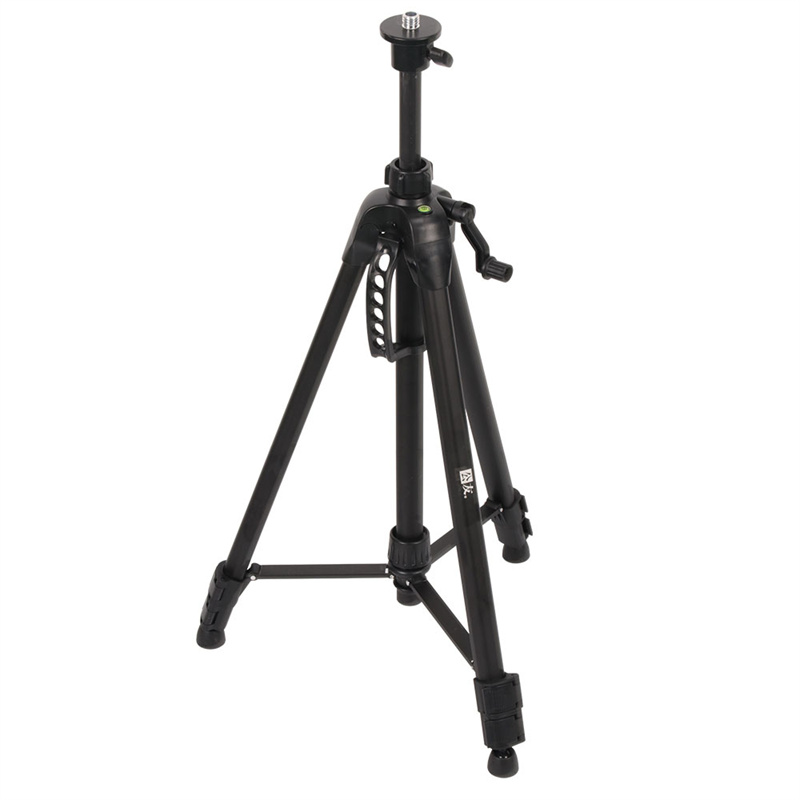
Një trekëmbësh për matje profesionale, siç është një kit i rëndë trekëmbëshi për laser level, është inxhinierizuar me këmbë të trasha dhe të ngurtë (zakonisht dru i fortë ose alumin me kalibër të rëndë) dhe kënde pozicioni të gjerë. Këta trekëmbësha karakterizohen me ferrules metalike me majë të çelikut të fortuar për të depërtuar në tokë të butë, duke eleminuar rrëshqitjen mikro. Për më tepër, baza e një trekëmbëshi dedikuar për laser rrotullues është e pajisur me një platformë të madhe dhe të sheshtë që përputhet përsosur me bazat e laserit, duke siguruar zero lëvizje anësore edhe kur instrumenti goditet.
Pse Trekëmbëshat Tradicionalë për Aparat Fotografik Kanë Mangësi në Matjeve?
Trekëmbëshat tradicionalë i japin përparësi portabilitetit dhe lehtësisë së lëvizjes. Ndërsa ata janë të shkëlqyer për të mbajtur një aparat fotografik 5-paund, dizajni i tyre me kolonë qendrore krijon një “efekt lavjerrëse” që përforcon dridhjet. Kur montoni një laser në një trekëmbësh standard, edhe era ose trafikimi i rëndë me këmbë pranë mund të shkaktojë zhvendosjen e balonës. Modelet tradicionalë gjithashtu i mungon filetimi i specializuar 5/8-inç për montim, duke u mbështetur shpesh në vida 1/4-inç që janë shumë të vogla për laserë rrotullues të rëndë, duke i bërë ato një zgjedhje e keqe si një stand trekëmbëshi për laser rrezin.
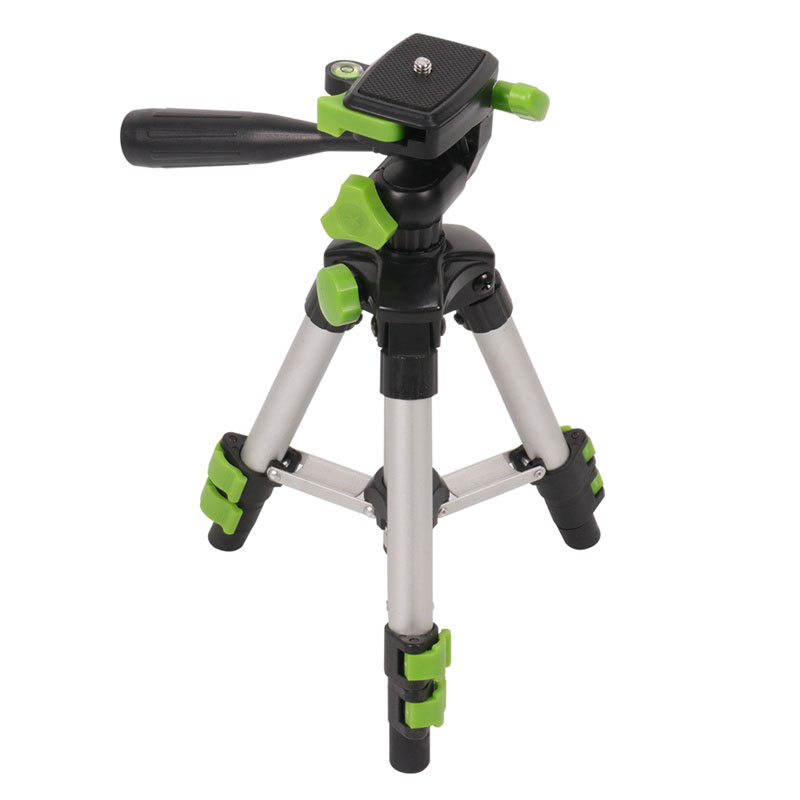
Faktorët e Stabilitetit: Çfarë e Bën të Superiorin Një Trekëmbësh për Laser Level?
Kur krahasohen të dyja krah për krah, më i miri trekëmbësh niveli lazeri për ndërtim i tejkalon alternativat tradicionale në tri fusha kritike: shpërndarja e peshës, kapja në tokë dhe amortizimi mekanik.
Kapaciteti i Peshës dhe Forca e Materialit
Kapaciteti i peshës së një trekëmbëshi për nivelim lazer zakonisht vlerësohet në 15-25 kg, dukshëm më i lartë se trekëmbëshat standardë të kamerave. Kjo siguron që edhe lazerët e rëndë rrotullues të mbeten të vendosur fort. Prodhuesit përdorin alumin me densitet të lartë ose dru të ngurtë; këmbët prej druri, në veçanti, thithin natyrshëm dridhjet e ambientit (si ato të automjeteve që kalojnë), të cilat një trekëmbësh metalik kamere do t'i përcillte drejtpërdrejt te lazeri. Kur blini një trekëmbësh lazer profesional për matje, kërkoni gjithmonë mbajtëse të gjera për këmbët që i kyçin ato në një kënd fiks shtrirjeje, duke parandaluar “rrëshqitjen” që shihet shpesh te stendat tradicionale.
Kapja në Tokë dhe Mekanizmat e Kyçjes së Këmbëve
Një avantazh i rëndësishëm i një trekëmbëshi lazer me detyrë të rëndë është mënyra e përfundimit të bazës së tij. Ai ka këmbë me dy funksione: jastëkë gome për dysheme betoni brenda dhe thumba metalike të tërheqshme për tokë ose bar jashtë. Trekëmbëshat tradicionalë zakonisht kanë këmbë të buta gome që mund të ngjeshen në mënyrë të pabarabartë. Për më tepër, levat e kyçjes pozitive ose jakat e filetuara në një trekëmbësh lazer me rregullim të lartësisë ofrojnë një kapje shumë më të ngushtë dhe pa rrëshqitje sesa kyçjet plastike me fërkim që gjenden në trekëmbëshat për konsumatorë.
Rregullimet e Precizionit: Avantazhi i “Rregullimit të Hollësishëm”
Stabiliteti nuk ka të bëjë vetëm me qëndrimin në vend; ka të bëjë me kryerjen e lëvizjeve të sakta mikroskopike pa tundur instrumentin. Këtu shkëlqen trekëmbëshi i dedikuar.
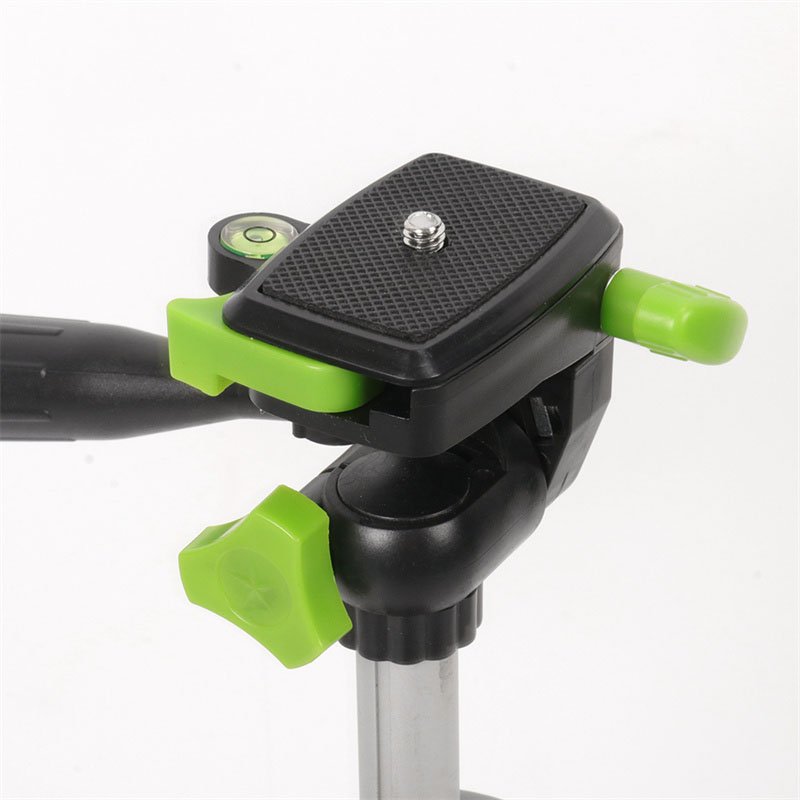
Filetoja 5/8 inç trekëmbësh niveli lazeri është standardi i industrisë për lazerët e ndërtimit. Kjo fileto më e trashë siguron një lidhje të fortë që eliminon “lëkundjen” e lidhur me përshtatësit më të vegjël të filetos 1/4 inç në trekëmbëshat tradicionalë. Për më tepër, shumë njësi të specializuara kanë një shtyllë qendrore me ingranazhe që lejon rregullime vertikale në nivel milimetri. Duke përdorur një trekëmbësh lazer me rregullim të hollësishëm, topografët mund të akordojnë lartësinë pa prekur kokën e lazerit, duke siguruar që flluska të mbetet e përqendruar në mënyrë të përsosur gjatë ekzekutimit të kërkesave të stabilitetit të trekëmbëshit lazer rrotullues për nivelim në distanca të gjata.
Përfundim
Në debatin midis Laser Level Tripod dhe Traditional Tripod, fituesja është e qartë për aplikacionet profesionale. Një trekëmbësh tradicional mund t'ju kursejë para në fillim dhe të jetë i mjaftueshëm për detyra të thjeshta, me rrezik të ulët në ambiente të mbyllura ku lazer është vetëm disa metra larg. Megjithatë, për kantiere të ashpra, fotografime në distancë të gjatë, ose kontroll të nivelimit, një trekëmbësh me laser i ndërtuar për këtë qëllim është i domosdoshëm. Ai ofron kontroll superior të dridhjeve, depërtim të fuqishëm në tokë dhe kapacitet mbaji të rëndë.
Në përmbledhje: nëse saktësia ka rëndësi, investoni në një trekëmbësh niveli lazeri. Stabiliteti që ai siguron është themeli mbi të cilin ndërtohet e gjithë saktësia e projektit tuaj—mos e kompromitoni atë për një mbështetëse portative të kamerës.
Udhëzuesi i Blerësit – Çfarë të Kërkoni Kur Blidhni?
Para se të klikoni butonin “Bliaj Tani”, mbani në mend këto këshilla kritike blerje për të siguruar që të merrni trekëmbëshin më të mirë me laser për ndërtim:
Përputhshmëria e Fillit: Gjithmonë kontrolloni dy herë vidën e montimit. Sigurohuni që është një fije tripodi lazer 5/8 inç (me një adapter 1/4-inç të përfshirë) për të përshtatur të dyja lazerat rrotacioni dhe linjore.
Materiali i Këmbëve: Zgjidhni drurin e fortë për amortizimin maksimal të dridhjeve (ideal për rrugët e jashtme) ose aluminin në cilësi aviacioni për peshë më të lehtë (ideal për punën në tavanin e brendshëm).
Sistemi i Bllokimit: Preferojnë tripodët me bllokues kame metalike mbi bllokueset me rrotacion. Bllokuesit kame sigurojnë vendosje më të shpejtë dhe një forcë mbërthimi më konsistente në të gjithë seksionet e këmbëve.
Majat e Këmbëve: Kërkoni majat që mund të tërhiqen. Ju nevojiten kapakë gome për dysheme të përfunduara dhe majat e çelikut të ekspozuar për terren të pluhurosur ose të pabarabartë për të ruajtur stabilitetin e tripodit të lazerit rrotacioni.
Lartësia e Transportit: Nëse lëvizni shpesh ndërmjet vendeve, kontrolloni gjatësinë e palosur. Një kit tripodi lazer të ngurtë dhe kompakt që përshtatet në një kuti fluturimi vlen kostoja shtesë.
Pyetje të shpeshta
P1: A mund të përdor një trekëmbësh të zakonshëm kamere për nivelin tim rrotullues lazer?
P: Megjithëse mund të përdorni një përshtatës, kjo nuk rekomandohet aspak. Trekëmbëshat e zakonshëm të kamerës nuk kanë kapacitetin e ngarkesës dhe bazën e gjerë të nevojshme për stabilitetin e një trekëmbëshi të nivelit rrotullues lazer. Vidha 1/4 inç priret të lirohet nga dridhja e motorit, gjë që mund të bëjë që lazeri juaj të zhvendoset, duke prishur shtrirjen tuaj.
P2: Cila është lartësia ideale për një trekëmbësh të nivelit lazer?
P: Trekëmbëshi ideal i nivelit lazer me rregullim të lartësisë duhet të variojë nga afërsisht 1.2 metra (minimum) në 1.8 metra (maksimum) kur shtrihet. Megjithatë, për nivelim në natyrë, një lartësi rreth 1.5 metra është standarde për të vendosur lazerin mbi barin e gjatë dhe pengesat. Sigurohuni gjithmonë që kapaciteti i peshës së trekëmbëshit të përputhet me njësinë tuaj specifike lazer.
P3: Si ta mirëmbaj trekëmbëshin tim të nivelit lazer për të siguruar stabilitet afatgjatë?
P: Pastroni rregullisht bravat e këmbëve për të hequr rërën dhe zhavorrin. Lyejini lehtë vidhat metalike dhe fijet e montimit të tripodit të nivelit lazer 5/8 inç për të parandaluar ndryshkun. Më e rëndësishmja, mos i shtrëngoni kurrë shumë bravat me kamerë, pasi kjo mund të deformojë udhëzuesit metalikë, duke bërë që këmbët të bllokohen ose të mos tërhiqen pa probleme.