 Italian
  English
  French
  German
  Spanish
  Japanese
  Korean
  Vietnamese
  Thai
Thai  Myanmar
  Albanian
  Polish
  Khmer
Khmer  Arabic
 Nel mondo della costruzione di precisione, dei rilievi e degli allestimenti interni, la stabilità non è un lusso, ma un prerequisito. Se il tuo strumento laser oscilla, le tue misurazioni sono inutili. Questo ci porta a un dilemma cruciale dell'attrezzatura: un treppiede fotografico standard o un vecchio supporto di rilievo possono svolgere il lavoro, oppure hai specificamente bisogno di un treppiede dedicato per livello laser?
Scegliere il giusto sistema di supporto ha un impatto diretto sulla precisione e l'efficienza del tuo progetto. Mentre i treppiedi tradizionali sono versatili, spesso non forniscono le capacità di smorzamento delle vibrazioni e di microregolazione richieste dagli strumenti laser moderni.
Comprendere le Differenze di Design Fondamentali
Per determinare quale treppiede offre una stabilità superiore, dobbiamo prima esaminare la loro filosofia ingegneristica. Un treppiede con livella laser è costruito specificamente per attrezzature ottiche statiche e di alta precisione, mentre i treppiedi tradizionali sono spesso progettati per la fotografia o il supporto generale.
L'Ingegneria Dietro un Treppiede Professionale per Livella Laser
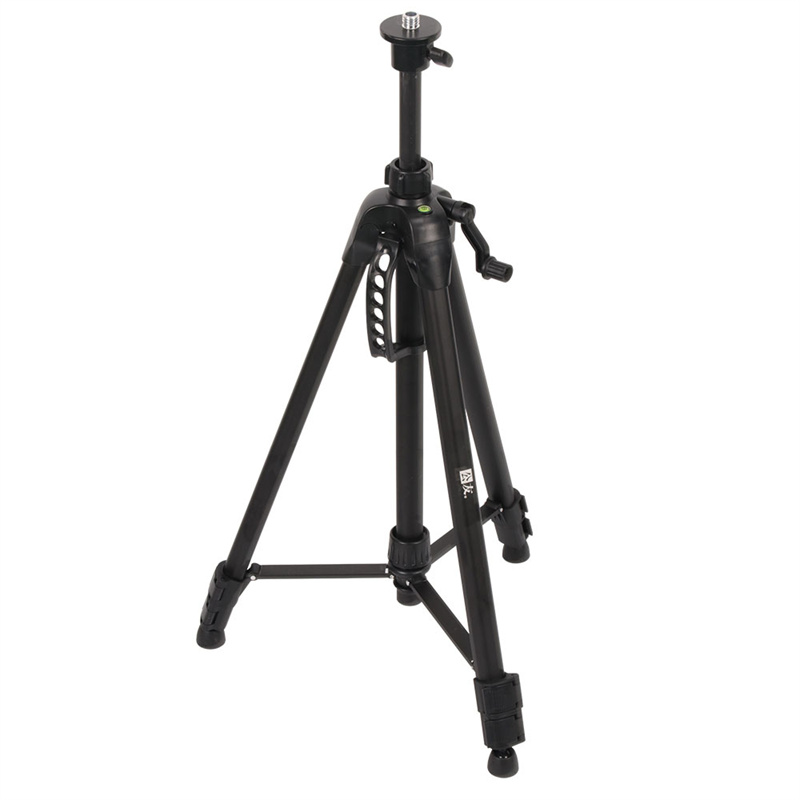
Un treppiede professionale per rilevamenti, come un kit treppiede robusto per livella laser, è progettato con gambe spesse e rigide (solitamente legno duro o alluminio di spessore pesante) e angoli di stance ampi. Questi treppiedi presentano virole in metallo con punte in acciaio indurito per penetrare il terreno morbido, eliminando il microslittamento. Inoltre, la base di un treppiede dedicato per livella laser rotante è dotata di una piattaforma grande e piana che si accoppia perfettamente alle basi laser, garantendo zero movimento laterale anche quando lo strumento viene urtato.
Perché i Treppiedi Tradizionali per Fotocamere Non Sono Adatti ai Rilevamenti?
I treppiedi tradizionali danno priorità alla portabilità e alla facilità di movimento. Sebbene siano eccellenti per sostenere una fotocamera da 5 libbre, i loro design a colonna centrale creano un “effetto pendolo” che amplifica le vibrazioni. Quando si monta un laser su un treppiede standard, anche il vento o il traffico pedonale intenso nelle vicinanze può causare la deriva della bolla. I modelli tradizionali mancano anche del filetto di montaggio specializzato da 5/8 di pollice, affidandosi spesso a viti da 1/4 di pollice troppo piccole per livelle laser rotanti pesanti, rendendoli una scelta inadeguata come supporto treppiede per livella laser lineare.
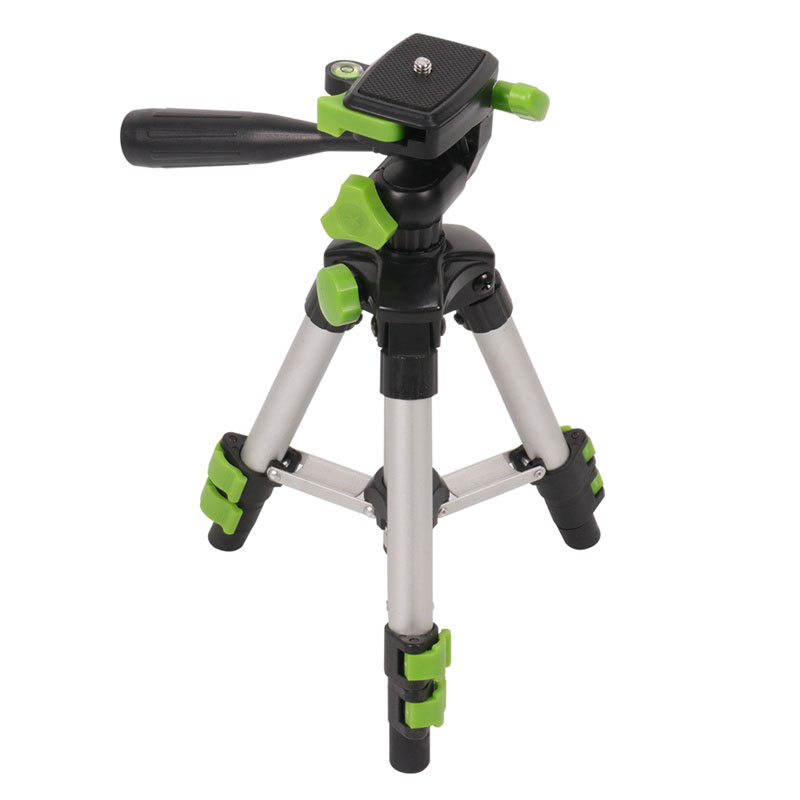
Fattori di Stabilità: Cosa Rende Superiore un Treppiede per Livella Laser?
Quando si confrontano i due modelli affiancati, il miglior treppiede con livella laser per l'edilizia supera le alternative tradizionali in tre aree critiche: distribuzione del peso, aderenza al suolo e smorzamento meccanico.
Capacità di carico e resistenza dei materiali
La capacità di carico di un treppiede per livella laser è solitamente valutata tra 15 e 25 kg, significativamente superiore a quella dei treppiedi per fotocamere standard. Questo garantisce che anche i laser rotanti pesanti rimangano saldamente ancorati. I produttori utilizzano alluminio ad alta densità o legno massello; le gambe in legno, in particolare, assorbono naturalmente le vibrazioni ambientali (come quelle dei veicoli di passaggio), che un treppiede metallico per fotocamera trasmetterebbe direttamente al laser. Quando si acquista un treppiede professionale per laser da topografia, cercare sempre ampi rinforzi per le gambe che blocchino le gambe con un angolo di apertura fisso, prevenendo lo “slittamento” spesso osservato nei supporti tradizionali.
Aderenza al suolo e meccanismi di blocco delle gambe
Un vantaggio significativo di un treppiede per livello laser professionale è la sua terminazione di base. Presenta piedini doppi: cuscinetti in gomma per i pavimenti in cemento interno e punte metalliche retrattili per terreni esterni o erba. I treppiedi tradizionali di solito hanno piedini in gomma morbida che possono comprimersi in modo non uniforme. Inoltre, i leve a camme con bloccaggio positivo o i collari filettati su un treppiede per livello laser con regolazione dell'altezza offrono una presa molto più salda e senza scivolamenti rispetto ai blocchi di attrito in plastica presenti sui treppiedi consumer.
Regolazioni di Precisione: Il Vantaggio della “Messa a Punto”
La stabilità non riguarda solo stare fermi; riguarda la capacità di eseguire micro-movimenti precisi senza far vibrare lo strumento. È qui che il treppiede dedicato eccelle.
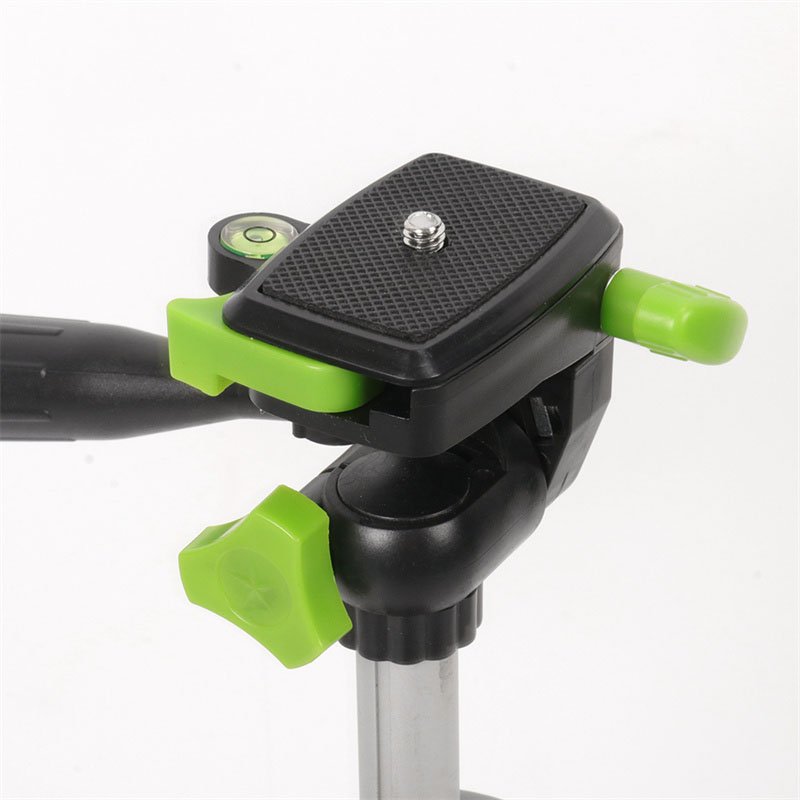
Il filetto da 5/8 di pollice treppiede con livella laser è lo standard del settore per i livelli laser da costruzione. Questo filetto più spesso fornisce una connessione robusta che elimina il “movimento oscillante” associato ai più piccoli adattatori con filetto da 1/4 di pollice sui treppiedi tradizionali. Inoltre, molte unità specializzate dispongono di una colonna centrale ingranata che consente regolazioni verticali a livello millimetrico. Utilizzando un treppiede per livello laser con regolazione fine, i periti possono mettere a punto l'altezza senza toccare la testa del laser, assicurando che la bolla rimanga perfettamente centrata durante l'esecuzione dei requisiti di stabilità del treppiede per livello laser rotante per lavori di livellamento a lunga distanza.
Conclusione
Nel dibattito tra treppiede per livella laser e treppiede tradizionale, il vincitore è chiaro per le applicazioni professionali. Un treppiede tradizionale può farti risparmiare denaro inizialmente ed essere sufficiente per semplici attività interne a basso rischio, dove il laser si trova a pochi metri di distanza. Tuttavia, per cantieri impegnativi, misurazioni a lunga distanza o controlli di pendenza, un treppiede per livella laser progettato appositamente è indispensabile. Offre un controllo superiore delle vibrazioni, una robusta penetrazione nel terreno e una capacità di carico pesante.
Per riassumere: se la precisione è importante, investi in un treppiede con livella laser. La stabilità che fornisce è la base su cui si fonda tutta la precisione del tuo progetto—non comprometterla per un supporto per fotocamera portatile.
Guida all'acquisto – Cosa cercare al momento dell'acquisto?
Prima di cliccare sul pulsante “Acquista ora”, tieni a mente questi consigli critici per l'acquisto per assicurarti di ottenere il miglior treppiede per livella laser per l'edilizia:
Compatibilità filettatura: Controlla sempre la vite di montaggio. Assicurati che sia una filettatura da 5/8 pollici per il treppiede del livello laser (con un adattatore da 1/4 di pollice incluso) per adattarsi sia ai laser rotativi che a quelli lineari.
Materiale delle gambe: Scegli legno duro per il massimo smorzamento delle vibrazioni (ideale per lavori all'aperto su strada) o alluminio di qualità aeronautica per un peso inferiore (ideale per lavori interni su soffitto).
Sistema di bloccaggio: Preferisci treppiedi con bloccaggi a leva in metallo rispetto a quelli a torsione. I bloccaggi a leva garantiscono un dispiegamento più rapido e una forza di serraggio più costante tra le sezioni delle gambe.
Punte per i piedi: Cerca punte retrattili. Hai bisogno di cappucci in gomma per pavimenti finiti e punte in acciaio esposte per terreni fangosi o irregolari per mantenere la stabilità del treppiede del livello laser rotativo.
Altezza di trasporto: Se ti sposti spesso tra i cantieri, controlla la lunghezza piegata. Un kit per treppiede per livello laser compatto e resistente che si adatti a una valigia da trasporto vale il costo aggiuntivo.
Domande frequenti
D1: Posso usare un treppiede normale per fotocamera per il mio livello laser rotante?
R: Sebbene sia possibile utilizzare un adattatore, è fortemente sconsigliato. I treppiedi normali per fotocamera non hanno la capacità di carico e la base larga necessari per la stabilità di un treppiede per livello laser rotante. La vite da 1/4 di pollice tende ad allentarsi a causa delle vibrazioni del motore, il che potrebbe far spostare il laser, rovinando il tuo tracciato.
D2: Qual è l'altezza ideale per un treppiede per livello laser?
R: Il treppiede per livello laser ideale con regolazione dell'altezza dovrebbe variare da circa 1,2 metri (min) a 1,8 metri (max) quando esteso. Tuttavia, per la livellatura all'aperto, un'altezza di circa 1,5 metri è standard per posizionare il laser sopra l'erba alta e gli ostacoli. Assicurati sempre che la capacità di peso del treppiede corrisponda alla tua specifica unità laser.
D3: Come mantengo il mio treppiede per livello laser per garantire stabilità a lungo termine?
R: Pulisci regolarmente i bloccaggi delle gambe per rimuovere sabbia e detriti. Lubrifica leggermente le viti in metallo e le filettature del supporto per livella laser da 5/8 pollici per prevenire la ruggine. Ancora più importante, non stringere mai eccessivamente i bloccaggi a camma, poiché ciò potrebbe deformare le guide metalliche, causando l'incastro delle gambe o un loro mancato scorrimento fluido.