
 Vietnamese
  English
  French
  German
  Spanish
  Italian
  Japanese
  Korean
  Thai
Thai  Myanmar
  Albanian
  Polish
  Khmer
Khmer  Arabic
 Trong ngành xây dựng hiện đại, độ chính xác là điều không thể thỏa hiệp. Từ lúc đầu tiên đổ bê tông cho đến khi lát gạch trần cuối cùng, mọi phép đo phải chính xác—vì sai sót ở bất kỳ giai đoạn nào cũng dẫn đến chi phí sửa chữa lớn, lãng phí vật liệu và chậm tiến độ dự án. Trong nhiều thập kỷ, các nhà thầu dựa vào mức t精神, mức nước và các máy transit thủ công để thiết lập các điểm tham chiếu. Những phương pháp này hiệu quả, nhưng chúng chậm, dễ xảy ra lỗi do con người, và yêu cầu nhiều công cụ khác nhau cho các tác vụ khác nhau.
Ngày nay, một máy Laser Quay Tự Chỉnh Mức duy nhất đã biến đổi quy trình bố trí công trình xây dựng. Công cụ đa năng này loại bỏ nhu cầu sử dụng nhiều dụng cụ chỉnh mức bằng cách cung cấp một mặt phẳng tham chiếu 360 độ liên tục bao phủ toàn bộ công trường. Cho dù bạn đang thiết lập nền móng, đổ bê tông slab, thẳng hàng tường, hay cài đặt trần nhà treo, một máy laser quay tự chỉnh mức duy nhất có thể xử lý tất cả—từ nền móng đến trần nhà.
Đặt nền tảng: Chuẩn bị Nền Móng và Địa Điểm
Thiết lập Độ Dốc và Độ Cao với một Máy Laser Tia Quay Tự Điều Chỉnh Mức
Mọi dự án xây dựng đều bắt đầu từ mặt đất. Trước khi bất kỳ công trình nào có thể xây dựng, địa điểm phải được san bằng, đào xới, và chuẩn bị theo độ cao chính xác. Đây là nơi mà Máy Laser Quay Tự Cân Bằng chứng minh giá trị của nó ngay từ ngày đầu tiên.
Các phương pháp truyền thống để thiết lập độ cao yêu cầu nhiều lần thiết lập, hiệu chỉnh liên tục và kiểm tra thường xuyên. Một máy laser quay tự cân bằng đơn giản hóa điều này một cách đáng kể. Khi được gắn trên một chân máy vững chắc và được bật lên, cơ chế con lắc bên trong hoặc cơ chế được điều khiển bằng servo của laser sẽ tự động cân bằng trong độ sai lệch ±3 đến ±5 độ. Trong vài giây, nó chiếu một mặt phẳng laser nằm ngang liên tục 360 độ trên toàn bộ khu vực làm việc.
Đối với các ứng dụng ngoài trời, chính laser không nhìn thấy được dưới ánh nắng mặt trời sáng trên những khoảng cách xa. Đó là lý do tại sao một bộ phát hiện laser hoặc bộ thu laser là cần thiết. Bộ phát hiện gắn vào một thanh san bằng và phát ra tín hiệu âm thanh khi nó căn chỉnh với mặt phẳng laser, cho phép các đội để lấy đọc độ cao chính xác trên toàn bộ địa điểm.
Thiết lập Khuôn và Móng Bê tông
Sau khi xác định độ cao, bước tiếp theo quan trọng là thiết lập khuôn bê tông và móng. Máy Cân bằng Laser Quay Tự động Chỉnh Mức cung cấp một mặt phẳng tham chiếu nhất quán đảm bảo tất cả các khung khuôn được đặt ở độ cao chính xác.
Để thiết lập nền móng và chân đế, tia laser 360 độ cho phép một người vận hành kiểm tra độ cao tại nhiều điểm mà không cần di chuyển dụng cụ. Điều này loại bỏ các sai số “di chuyển” xảy ra khi di chuyển máy cân bằng từ vị trí này sang vị trí khác. Kết quả là một nền móng hoàn toàn bằng phẳng ngăn ngừa các vấn đề cấu trúc sau này trong quá trình xây dựng.
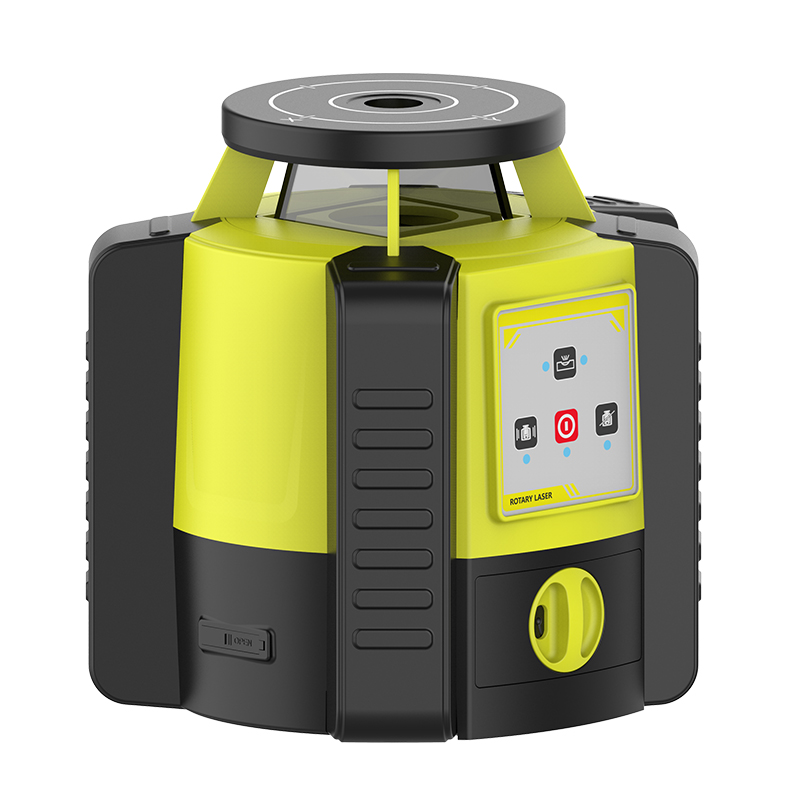
Kiểm soát Đào và Lấp và Phân Cấp Trang Thiết Bị
Đối với các dự án yêu cầu độ dốc—chẳng hạn như thoát nước, bãi đậu xe hoặc đường bộ—nhiều Máy Cân bằng Laser Quay Tự động Chỉnh Mức cung cấp chế độ dốc kép hoặc phù hợp độ cao. Những tính năng này cho phép laser chiếu một mặt phẳng dốc thay vì mặt phẳng bằng, loại bỏ các phép tính khi kiểm tra độ cao và thiết lập thoát nước.
Dù bạn đang thực hiện bố trí độ cao phẳng hay kiểm soát đào-lấp, một máy laser xoay tự san bằng cho xây dựng cung cấp độ chính xác cần thiết để di chuyển đất hiệu quả. Với độ chính xác điển hình ±1/8 inch ở 100 feet, bạn có thể tự tin rằng việc chuẩn bị địa bàn của mình đáp ứng các thông số kỹ thuật.
Giữa kỳ xây dựng: Tấm bê tông, Tường, và Bố trí Theo chiều dọc
Đổ Tấm bê tông bằng Máy laser xoay tự san bằng
Với nền móng đã được lắp đặt, trọng tâm chuyển sang tấm bê tông. Cho dù là sàn tầng hầm, tấm bê tông thương mại, hay lối đi ô tô, tấm bê tông phải hoàn toàn bằng phẳng để hỗ trợ cấu trúc phía trên.
Máy laser xoay tự san bằng thiết lập một mặt phẳng tham chiếu hướng dẫn toàn bộ quá trình đổ. Các đội có thể kiểm tra độ cao của bê tông khi nó được đặt, đảm bảo rằng bề mặt hoàn thiện đáp ứng độ dày và mức bằng phẳng cần thiết. Hiệu suất tầm xa của laser—thường vượt quá 1.000 feet với bộ phát hiện—có nghĩa là ngay cả những tấm bê tông lớn cũng có thể được đổ với độ chính xác nhất quán.
Bố trí theo phương thẳng đứng cho tường, vách ngăn và khung thạch cao
Một trong những tính năng mạnh mẽ nhất của Bộ Máy Cân Bằng Laser Tự Cân Bằng Xoay hiện đại là khả năng hoạt động ở cả chế độ ngang và dọc. Khi được đặt ở vị trí thẳng đứng, laser phát ra một mặt phẳng thẳng đứng lý tưởng cho việc bố trí tường và sàn.
Đối với các công việc bố trí theo phương thẳng đứng như hàng rào, móng và rãnh thạch cao, chế độ tự cân bằng thẳng đứng loại bỏ nhu cầu sử dụng dây dọi và đường kẻ phấn. Laser chiếu một chuẩn tham chiếu thẳng đứng tuyệt đối giúp hướng dẫn việc lắp đặt đinh tán tường, khung vách ngăn và thạch cao. Điều này đặc biệt hữu ích cho các tòa nhà nhiều tầng, nơi cần duy trì sự thẳng đứng giữa các tầng.
Căn chỉnh trụ, cột và các bộ phận kết cấu
Đối với các dự án liên quan đến thép kết cấu, trụ hoặc cột, máy cân bằng laser xoay cung cấp chuẩn tham chiếu căn chỉnh cần thiết để đảm bảo độ thẳng đứng và khoảng cách chính xác. Các điểm dọi lên và xuống của laser—có trên nhiều mẫu máy—cho phép chuyển điểm từ tầng này sang tầng khác một cách chính xác.
Khả năng này rất cần thiết để căn chỉnh các trụ hoặc móng, cũng như cho tường rèm và các hệ thống cơ khí. Bằng cách cung cấp một chuẩn thẳng đứng nhất quán, máy laser giảm thời gian dành cho việc đo đạc thủ công và kiểm tra lại.
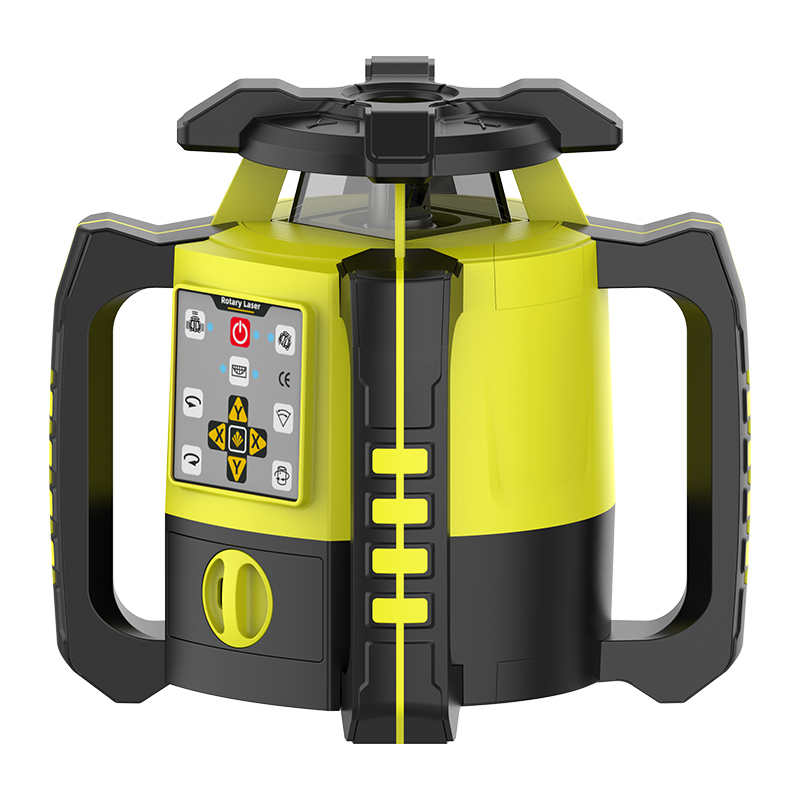
Tiếp cận Đỉnh: Lắp đặt Trần và Trên Đầu
Bố trí Trần Tre với Máy Laser Quay Tự Cân Bằng
Khi dự án gần hoàn thành, sự chú ý chuyển hướng lên trên. Việc lắp đặt trần tre—dù là trần âm thanh, trần thả, hay hệ thống lưới—đòi hỏi bố trí chính xác để đảm bảo hoàn thiện chuyên nghiệp.
Máy Laser Quay Tự Cân Bằng là lý tưởng cho việc lắp đặt trần tre. Máy laser chiếu một mặt phẳng ngang ở độ cao trần mong muốn, cung cấp một chuẩn liên tục để lắp đặt lưới trần, đèn chiếu sáng và các bộ phận HVAC. Nhiều bộ sản phẩm bao gồm giá treo tường/trần cho phép gắn máy laser trực tiếp vào kết cấu, đơn giản hóa công việc trên cao.
Đối với các không gian thương mại lớn, khả năng điều khiển từ xa của laser cho phép một người vận hành duy nhất điều chỉnh mặt phẳng laser mà không cần phải leo lên xuống thang. Điều này tăng hiệu suất và giảm nguy hiểm tai nạn.
Trần Âm Thanh và Trần Drywall
Để lắp đặt trần âm thanh và drywall, laser cung cấp tham chiếu mức cần thiết để đảm bảo rằng trần hoàn thiện hoàn toàn phẳng. Điều này rất quan trọng đối với cả tính thẩm mỹ và chức năng—trần không đều có thể gây ra các vấn đề với chiếu sáng, âm thanh, và khả năng lắp ráp các tấm trần.
Tốc độ quay thay đổi của laser đặc biệt hữu ích cho các ứng dụng trong nhà. Tốc độ chậm làm cho tia sáng dễ nhìn thấy hơn trong điều kiện chiếu sáng trong nhà, trong khi tốc độ nhanh hơn phù hợp để sử dụng ngoài trời, nơi tia sáng cần phải được phát hiện ở khoảng cách xa hơn.
Vị Trí Lưới Trần và Bộ Chiếu Sáng
Ngoài trần nhà, một mức laser quay giúp hướng dẫn vị trí đặt các thiết bị chiếu sáng, đầu phun nước, và các yếu tố gắn trần khác. Bằng cách thiết lập một mặt phẳng tham chiếu nhất quán, laser đảm bảo rằng tất cả các thiết bị được lắp đặt ở đúng chiều cao và căn chỉnh, tạo ra một diện mạo đồng nhất trên toàn bộ không gian.
Một số mô hình nâng cao có các chế độ quét chiếu tia laser chỉ trong phạm vi góc cụ thể thay vì toàn bộ 360 độ. Điều này rất hữu ích trong các không gian hẹp hoặc khi làm việc gần tường, vì nó ngăn tia chiếu vào những khu vực có thể gây mất tập trung hoặc nguy hiểm.
Các Tính Năng Chính Làm cho Mức Laser Quay Tự Cân Bằng Không Thể Thiếu
Độ Chính Xác Mà Bạn Có Thể Tin Tưởng
Đặc trưng nổi bật của bất kỳ Mức Laser Quay Tự Cân Bằng chất lượng cao nào là độ chính xác của nó. Hầu hết các mô hình cấp chuyên nghiệp cung cấp độ chính xác ±1/8 inch tại 100 feet. Các mô hình hàng đầu đạt được dung sai còn chặt hơn ±1/16 inch tại 100 feet.
Mức độ chính xác này là rất cần thiết cho bố trí công trường xây dựng, nơi mà những sai sót nhỏ có thể dẫn đến những vấn đề lớn hơn. Với máy cân bằng laser xoay tự động, bạn có thể tin tưởng rằng mặt phẳng tham chiếu của mình là chính xác, giảm nhu cầu xác minh liên tục và làm lại công việc.
Công Nghệ Tự Cân Bằng
Thuật ngữ “tự cân bằng” trong Máy Cân Bằng Laser Xoay Tự Động đề cập đến khả năng của công cụ tự động tìm mức cân bằng mà không cần điều chỉnh thủ công. Sử dụng hệ thống con lắc và giảm chấn từ tính hoặc các động cơ servo, laser sẽ bù đắp cho những bất thường nhỏ trên bề mặt.
Hầu hết các mô hình sẽ tự cân bằng trong phạm vi ±3 đến ±5 độ. Nếu laser được đặt trên bề mặt vượt quá phạm vi này, cảnh báo trực quan và âm thanh sẽ cảnh báo cho người dùng rằng công cụ nằm ngoài phạm vi cân bằng của nó. Điều này ngăn chặn các phép đo không chính xác và đảm bảo rằng laser luôn được sử dụng đúng cách.
Phạm Vi và Độ Che Phủ
Một máy cân bằng laser quay cho xây dựng được xác định bởi phạm vi của nó. Phạm vi làm việc trong nhà thường kéo dài đến 200 feet trở lên, trong khi phạm vi ngoài trời—khi sử dụng với bộ phát hiện laser—có thể vượt quá 1.000 feet.
Chùm tia quay 360 độ tạo ra một mặt phẳng ánh sáng liên tục bao phủ toàn bộ công trường. Điều này có nghĩa là một lần thiết lập duy nhất có thể phục vụ làm tài liệu tham khảo cho công việc được thực hiện đồng thời ở nhiều khu vực, tăng năng suất và giảm số lần thiết lập cần thiết.
Độ bền cho Điều kiện Công trường
Các công trường xây dựng là những môi trường khó khăn, và Máy cân bằng Laser quay tự cân bằng phải được xây dựng để chịu được chúng. Hãy tìm những mẫu có xếp hạng IP54 hoặc cao hơn để chống bụi và nước. Nhiều máy laser cấp chuyên nghiệp được thử rơi từ độ cao 1 mét trở lên.
Các tính năng bền bỉ bổ sung bao gồm các cơ chế khóa bảo vệ con lắc bên trong trong quá trình vận chuyển và vỏ bền chắc hấp thụ các tác động. Các tính năng này đảm bảo rằng khoản đầu tư của bạn trong Bộ kit Máy cân bằng Laser quay tự cân bằng sẽ kéo dài trong nhiều năm sử dụng khắc nghiệt.
Nguồn điện và Thời lượng pin
Thời lượng pin là yếu tố quan trọng đối với bất kỳ dụng cụ công trường nào. Nhiều máy cân bằng laser quay tự động có thời lượng pin vượt quá 60 giờ trên một bộ pin kiềm. Các tùy chọn có thể sạc lại cũng có sẵn, với một số mẫu có bộ pin sạc NiMH có thể sạc trong thiết bị.
Khả năng sử dụng pin kiềm hoặc pin sạc mang lại sự linh hoạt cho các dự án kéo dài và công trường xa nơi không có ổ cắm điện.
Mua máy cân bằng laser quay tự động – Cần tìm gì
Đầu tư vào một máy cân bằng laser quay tự động là một quyết định quan trọng.
Dưới đây là các yếu tố chính cần cân nhắc trước khi mua hàng:
- Yêu cầu về Độ chính xác
Đối với hầu hết các ứng dụng xây dựng, độ chính xác ±1/8 inch ở khoảng cách 100 feet là đủ. Tuy nhiên, nếu công việc của bạn yêu cầu dung sai chặt chẽ hơn—chẳng hạn như đối với các công đoạn hoàn thiện cao cấp hoặc lắp đặt thiết bị chính xác—hãy tìm các mẫu có độ chính xác ±1/16 inch ở khoảng cách 100 feet. - Phạm vi làm việc
Hãy cân nhắc quy mô của các dự án điển hình của bạn. Nếu bạn chủ yếu làm việc trong nhà, phạm vi 200 feet có thể đủ. Đối với san lấp mặt bằng ngoài trời, công tác móng hoặc các dự án thương mại lớn, bạn sẽ cần một máy cân bằng laser quay có phạm vi 1.000 feet trở lên khi sử dụng với máy dò laser. - Phạm vi tự cân bằng
Hầu hết các Máy Cân Bằng Laser Quay Tự Động cân bằng trong phạm vi ±3 đến ±5 độ. Phạm vi tự cân bằng rộng hơn có nghĩa là công cụ có thể bù đắp cho nhiều bất thường về bề mặt hơn, giảm thời gian thiết lập. - Màu Tia: Xanh lá so với Đỏ
Các tia laser xanh lá cây hiển thị rõ ràng gấp bốn lần so với tia đỏ, khiến chúng lý tưởng cho các ứng dụng trong nhà nơi khả năng nhìn thấy là rất quan trọng. Tuy nhiên, chúng thường đắt hơn. Các tia laser đỏ thân thiện với ngân sách hơn và hoạt động tốt ngoài trời khi được kết hợp với bộ phát hiện.
- Tốc Độ Quay và Chế Độ Quét
Tốc độ quay thay đổi cho phép bạn điều chỉnh tia cho các điều kiện khác nhau—tốc độ chậm hơn để nhìn thấy trong nhà, tốc độ nhanh hơn để phát hiện ngoài trời. Các chế độ quét cho phép bạn giới hạn tia trong một phạm vi góc cụ thể, hữu ích trong những không gian chật hẹp. - Độ bền và khả năng chống thời tiết
Tìm kiếm các mức đánh giá IP54 trở lên để chống bụi và nước. Nếu bạn làm việc trong điều kiện đặc biệt khắc nghiệt, hãy cân nhắc các mẫu có mức đánh giá IP66 hoặc IP67.
Câu hỏi thường gặp về Máy laser quay tự chỉnh mức
Q: Sự khác biệt giữa một máy laser quay tự cân bằng và một máy laser quay thủ công là gì?
Trả lời: Một Máy Cân Bằng Laser Quay Tự Động Cấp Độ tự động điều chỉnh để tìm mức độ bằng cách sử dụng một hệ thống con lắc bên trong hoặc servo. Một máy cân bằng laser quay thủ công yêu cầu người dùng cân bằng công cụ bằng cách sử dụng các lỗ bong bóng, quá trình này chậm hơn và dễ xảy ra lỗi của con người. Các mô hình tự cân bằng là lựa chọn hàng đầu cho hầu hết người dùng do tốc độ và độ chính xác của chúng.
Câu hỏi: Tôi có cần máy phát hiện laser cho máy cân bằng laser quay tự động cấp độ của mình không?
Trả lời: Đối với các ứng dụng ngoài trời hoặc khoảng cách dài, có. Tia laser không hiển thị được bằng mắt thường dưới ánh sáng mặt trời sáng ngoài khoảng cách ngắn. Một máy phát hiện laser hoặc bộ thu được gắn vào một thanh xếp hạng và phát tín hiệu âm thanh khi nó căn chỉnh với mặt phẳng laser. Đối với việc sử dụng trong nhà trong những khoảng không gian tối, tia laser thường nhìn thấy được mà không cần máy phát hiện.
Câu hỏi: Máy cân bằng laser quay tự động cấp độ có độ chính xác bao nhiêu?
Trả lời: Hầu hết các mô hình chuyên nghiệp đạt độ chính xác ±1/8 inch ở 100 feet. Các mô hình cao cấp đạt ±1/16 inch ở 100 feet. Độ chính xác có thể khác nhau tùy theo mô hình, vì vậy hãy luôn kiểm tra các thông số kỹ thuật trước khi mua.
Q: Tôi có thể sử dụng máy cân bằng laser quay tự cân bằng cho bố trí theo phương thẳng đứng không?
A: Có. Nhiều Máy Cân Bằng Laser Quay Tự Cân Bằng có thể được sử dụng ở vị trí thẳng đứng để chiếu một mặt phẳng thẳng đứng. Điều này lý tưởng cho việc bố trí tường, căn chỉnh các cột, và lắp đặt khung drywall. Một số mẫu cũng có tính năng các điểm dọi phía trên và phía dưới để chuyển giao các điểm tham chiếu giữa các tầng.
Q: Pin trong máy cân bằng laser quay tự cân bằng kéo dài bao lâu?
A: Thời lượng pin thay đổi tùy theo mẫu. Nhiều thiết bị cung cấp hơn 60 giờ hoạt động liên tục trên pin kiềm. Các mẫu sạc lại thường cung cấp 8 đến 12 giờ sử dụng mỗi lần sạc. Luôn mang theo pin dự phòng hoặc một nguồn điện thay thế cho các dự án mở rộng.
Q: Xếp hạng IP có nghĩa là gì đối với máy cân bằng laser quay?
A: Xếp hạng IP (Ingress Protection) cho biết mức độ bảo vệ chống bụi và nước. IP54 có nghĩa là thiết bị được bảo vệ chống bụi và chống bắn nước. IP66 cung cấp bảo vệ hoàn toàn chống bụi và bảo vệ chống các tia nước mạnh. IP67 cung cấp bảo vệ chống ngâm nước tạm thời. Xếp hạng cao hơn cho thấy độ bền lớn hơn cho các điều kiện công trường khắc nghiệt.
Phần kết luận
Từ khi cây bạc đầu tiên được đóng cho đến khi ốp trần cuối cùng được lắp đặt, một Máy Laser Xoay Tự Cân Bằng duy nhất hoạt động như xương sống của bố trí công trình. Nó loại bỏ nhu cầu sử dụng nhiều công cụ, giảm thời gian thiết lập và cung cấp độ chính xác mà xây dựng hiện đại đòi hỏi.
Ở giai đoạn nền móng, nó xác định độ dốc và hướng dẫn đặt khuôn bê tông. Trong quá trình xây dựng giữa chừng, nó đảm bảo sàn bằng phẳng và tường thẳng dọc. Ở giai đoạn hoàn thiện, nó cho phép lắp đặt trần được treo với độ chính xác và căn chỉnh thiết bị cố định. Trong toàn bộ quá trình, công nghệ tự cân bằng, hiệu suất tầm xa và cấu trúc bền của nó làm cho đó là một công cụ không thể thiếu cho các nhà thầu, đội bố trí công trường và các chuyên gia xây dựng.