
 Vietnamese
  English
  French
  German
  Spanish
  Italian
  Japanese
  Korean
  Thai
Thai  Myanmar
  Albanian
  Polish
  Khmer
Khmer  Arabic
 Trong thế giới xây dựng hiện đại, khảo sát và kỹ thuật, độ chính xác là không thể thương lượng. Một sai sót nhỏ ở móng có thể trở thành sự không căn chỉnh tốn kém ở mái nhà. Mặc dù các mức laser tự nó là những công cụ mạnh mẽ, nhưng chúng không thể đưa ra kết quả chính xác mà không có hỗ trợ thích hợp. Đây là nơi mà một chân đế ba chân cho mức laser trở nên không thể thiếu. Một chân đế ba chân cung cấp nền tảng ổn định, có thể điều chỉnh được mà biến một laser cầm tay thành một công cụ chính xác chuyên nghiệp có khả năng duy trì các mặt phẳng tham chiếu nhất quán trên toàn bộ các địa điểm công trường.
Chân Đế Ba Chân Cho Mức Laser Là Gì?
Định Nghĩa và Mục Đích
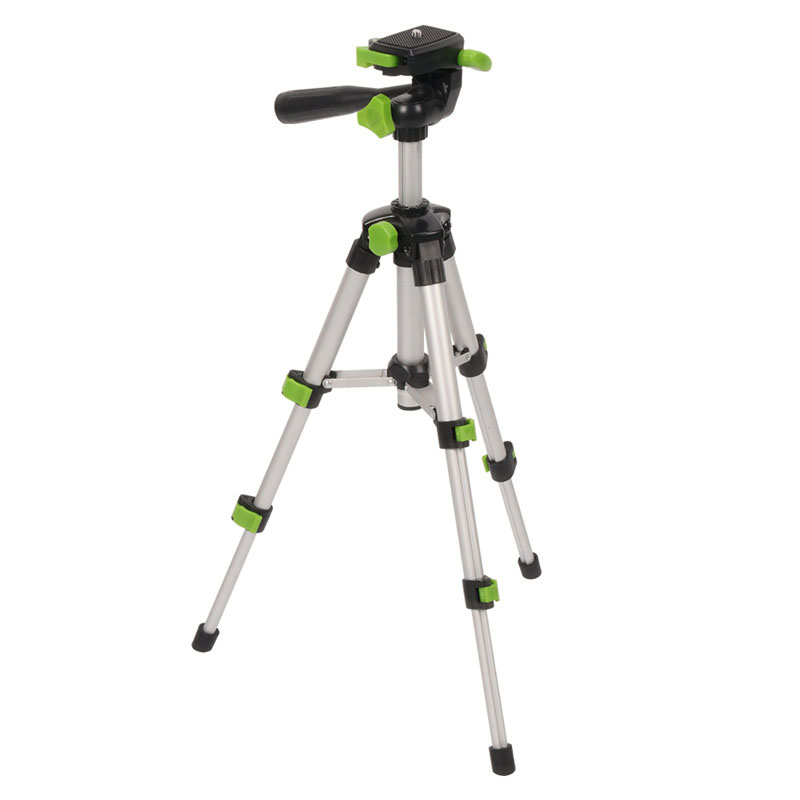
MỘT chân đế ba chân cho mức laser là một giá đỡ ba chân được thiết kế để giữ một mức laser hoặc thiết bị khảo sát khác ở chiều cao và góc mong muốn. Nó cung cấp nền tảng cho các mức laser và các công cụ san bằng khác như mức laser quay, mức laser đường, mức laser chấm, mức xây dựng, mức vận chuyển và mức tự động.
Thông thường, chân máy ba chân dành cho máy cân bằng laser được sử dụng kết hợp với máy cân bằng laser, một thanh đo độ dốc, một cột laser và một bộ phát hiện máy cân bằng laser. Chân máy ba chân là portable và cung cấp hỗ trợ cũng như ổn định theo cả hai trục chuyển động từ trái sang phải và từ trên xuống dưới.
Các Thành Phần Chính
MỘT chân đế ba chân cho mức laser bao gồm ba thành phần chính:
Chân – Được làm từ thép (bền nhất nhưng nặng nhất), nhôm (nhẹ và chắc chắn), hoặc sợi thủy tinh/gỗ (chính xác nhất do độ nhạy nhiệt độ thấp)
Đầu giữa – Các đầu kim loại ở cuối mỗi chân để tăng thêm độ ổn định; có phụ kiện cao su dành cho sử dụng trong nhà để ngăn chặn trượt hoặc làm xước sàn
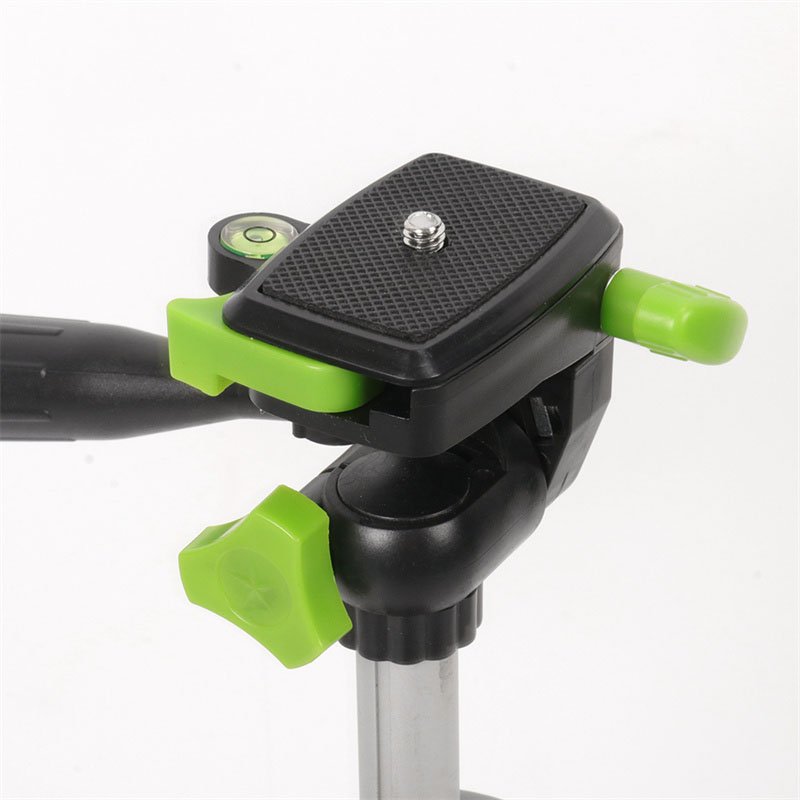
Đầu – Nền tảng lắp đặt nơi mức laser gắn vào; hầu hết các mức laser sử dụng đầu phẳng với ren 5/8 inch hoặc 1/4 inch
Các loại chân máy ba chân cho mức laser
Chân máy ba chân có chân có thể điều chỉnh
Chân máy ba chân có chân có thể điều chỉnh là lựa chọn phổ biến hơn trong ngành xây dựng, đặc biệt là để làm việc ngoài trời trên địa hình không bằng phẳng. Mỗi chân có thể được điều chỉnh độc lập để tìm mức độ thậm chí trên các sườn dốc. Chúng cũng dễ dàng vận chuyển nhờ chân có thể rút lại.
Chân máy ba chân cố định
Giá đỡ ba chân có chân cố định với chiều dài không thay đổi. Những loại này đang dần được thay thế bằng giá đỡ ba chân có chân điều chỉnh được do tính linh hoạt sử dụng hạn chế.
Giá đỡ Ba Chân Nâng Cao
Giá đỡ ba chân nâng cao được trang bị cơ chế tay quay cho phép điều chỉnh chính xác máy laser xây dựng đến chiều cao làm việc cụ thể. Những loại này được khuyến nghị cho các ứng dụng như xây dựng trần nhà và các công việc lắp đặt khác nơi yêu cầu định vị chiều cao chính xác.
Những Lợi Ích Cốt Lõi của Giá Đỡ Ba Chân Cho Mức Laser
1. Độ Ổn Định và Độ Chính Xác Vô Đối
Lợi ích cơ bản nhất của một chân đế ba chân cho mức laser là tính ổn định mà nó cung cấp. Một giá ba chân chắc chắn giúp duy trì độ cao của dụng cụ nhất quán và cải thiện độ chính xác của phép đo trên thực địa. Nếu không có một đế chắc chắn, ngay cả máy cân bằng laser tiên tiến nhất cũng không thể cung cấp kết quả đáng tin cậy.
Cấu trúc sợi thủy tinh, chẳng hạn, giúp giảm rung động và cung cấp tính ổn định đáng tin cậy, đặc biệt là trên địa hình không bằng phẳng hoặc các công trường xây dựng hoạt động. Một giá ba chân ổn định dành cho máy cân bằng laser giúp giảm chuyển động và cải thiện tính nhất quán của phép đo. Một số giá ba chân cao cấp được xây dựng với chân spike thép cứng để tăng tính ổn định và độ chính xác của phép đo, cùng với những nắp bảo vệ chân để tránh trầy xước trên sàn hoàn thiện. Thiết kế mạnh mẽ làm giảm rung động, giữ cho các đường laser sắc nét và chính xác trong suốt công việc.
2. Phạm Vi Làm Việc Mở Rộng
Một giá ba chân dành cho máy cân bằng laser cho phép bạn định vị máy laser ở độ cao tối ưu cho bất kỳ nhiệm vụ nào. Giá ba chân thường mở rộng từ ba đến sáu feet, với một số mô hình lên tới tám feet trở lên. Để làm việc trần nhà, thường yêu cầu mở rộng từ sáu đến tám feet, một giá ba chân là thiết yếu.
Các giá ba chân nâng có cơ chế quay cho phép điều chỉnh độ cao chính xác hơn, làm cho chúng lý tưởng cho các công việc yêu cầu định vị chính xác. Với giá ba chân đúng cho máy cân bằng laser, bạn có thể tiếp cận bất kỳ mặt phẳng làm việc nào một cách dễ dàng.
3. Hiệu quả Tăng cường và Tiết kiệm Thời gian
Thời gian là tiền bạc trên bất kỳ công trường nào. Một giá ba chân cho máy cân bằng laser cho phép thiết lập và hạ xuống nhanh chóng, cho phép bạn chuyển từ công việc này sang công việc khác mà không có sự chậm trễ. Các hệ thống khóa phát hành nhanh đã trở nên ngày càng phổ biến, cho phép người dùng thiết lập và tháo dỡ giá ba chân nhanh chóng, tiết kiệm thời gian quý báu trong những ngày làm việc bận rộn.
Các cơ chế tự cân bằng cũng đang trở thành các tính năng tiêu chuẩn trong nhiều giá ba chân. Những hệ thống này cho phép giá ba chân tự động cân bằng, giảm thiểu thời gian thiết lập và nâng cao độ chính xác. Công nghệ tự cân bằng rất quan trọng trong các ứng dụng đo lường nơi độ chính xác rất quan trọng.
4. Tính Linh hoạt Trên Các Ứng dụng
Một cái chân đế ba chân cho mức laser có thể được điều chỉnh cho hàng chục ứng dụng khác nhau. Cho dù bạn đang làm việc trên hoàn thiện nội thất, san gạt ngoài trời, lắp đặt ống, lắp đặt trần nhà, hoặc xây dựng đường hầm, một giá ba chân cung cấp tính linh hoạt mà bạn cần.
Các giá ba chân ngày càng được tùy chỉnh cho các ứng dụng khác nhau như khảo sát, xây dựng và kỹ thuật. Hiện tại chúng có thể chứa các loại mức laser khác nhau, làm cho chúng hữu ích trong nhiều dự án. Tính linh hoạt này đặc biệt quan trọng trong các ngành công nghiệp nơi cần các công cụ khác nhau cho các nhiệm vụ khác nhau.
Phụ Kiện Mức Laser Thông Dụng
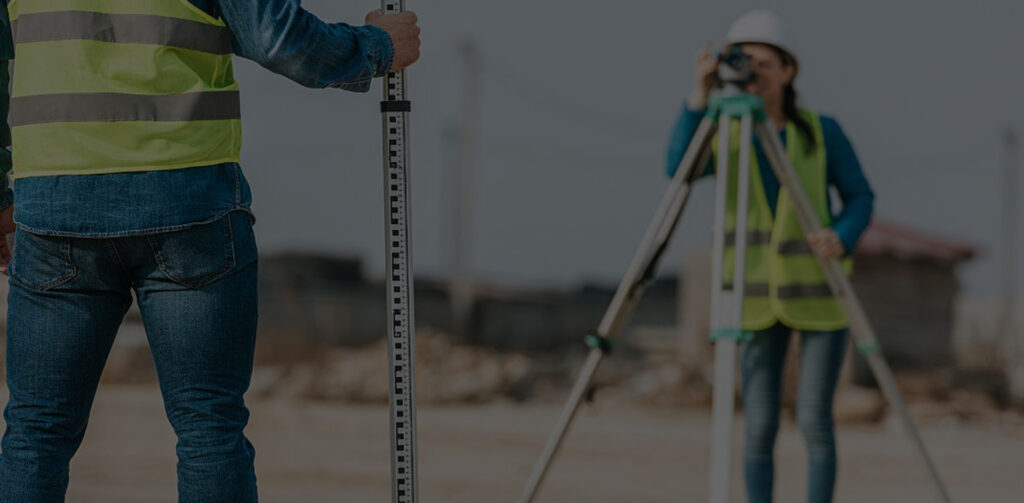
Ngoài chân đế ba chân cho mức laser ngoài ra, có nhiều phụ kiện khác hoàn thành một hệ thống cân bằng laser chuyên nghiệp:
Máy phát hiện và thu nhận laser – Phát ra tín hiệu âm thanh hoặc hình ảnh khi phát hiện chùm laser, cần thiết cho sử dụng ngoài trời và điều kiện ánh sáng mạnh
Thanh cấp độ – Được sử dụng cho các phép đo độ cao với các vạch chia dễ đọc
Tấm mục tiêu – Cung cấp bề mặt để chùm laser chiếu lên
Giá đỡ và khung – Cho phép định vị linh hoạt, bao gồm giá đỡ nam châm cho các bề mặt kim loại và giá đỡ kẹp cho các cột
Kính Bảo Vệ Laser – Lọc ánh sáng xung quanh và cải thiện khả năng hiển thị của chùm tia
Cột Laser Có Thể Kéo Dài – Hỗ trợ cơ sở và công cụ đo lường với các nền tảng có thể điều chỉnh
Túi Đựng và Vali Bảo Vệ – Bảo vệ thiết bị trong quá trình vận chuyển và lưu trữ
Những Cân Nhắc Quan Trọng Khi Mua Chân Đế Cho Máy Cân Bằng Laser
Khi mua một chân đế cho máy cân bằng laser, có một số yếu tố quan trọng bạn cần lưu ý:
Tương thích luồng
Đây là yếu tố quan trọng nhất. Hầu hết các máy laser đường dùng tiêu dùng sử dụng luồng 1/4-inch-20 UNC, trong khi các máy laser quay lớn hơn và các dụng cụ khảo sát yêu cầu luồng 5/8-inch-11 UNC. Chọn một chân máy cho máy laser có cung cấp cả hai kích thước luồng, thường thông qua bộ chuyển đổi kèm theo, cung cấp tính linh hoạt lớn nhất. Luôn xác minh các tiêu chuẩn luồng trước khi mua hàng.
Phạm vi chiều cao
Hãy xem xét chiều cao tối đa và tối thiểu mà bạn cần. Đối với các dự án nhà ở trong nhà với trần cao tiêu chuẩn tám feet, một chân máy nâng gọn với chiều cao tối đa từ 60 đến 70 inch thường là đủ. Đối với công việc thương mại hoặc ngoài trời, bạn có thể cần một chân máy kéo dài tới tám feet hoặc hơn.
Vật Liệu và Độ Bền
Chân máy cho máy laser có sẵn trong nhiều vật liệu khác nhau:
Nhôm – Nhẹ và chắc chắn, lý tưởng cho hầu hết các ứng dụng
Sợi thủy tinh – Giảm rung động tuyệt vời, ổn định trên địa hình không bằng phẳng
Thép – Bền nhất nhưng nặng nhất
Sợi carbon và vật liệu composite – Vật liệu mới nổi giúp tăng tính di động mà không làm giảm độ ổn định
Tính năng ổn định
Hãy tìm các tính năng giúp tăng độ ổn định:
Khóa chân chắc chắn (kẹp nhanh dạng cần gạt)
Chân cao su để sử dụng trong nhà trên sàn đã hoàn thiện
Đinh kim loại để bám chắc trên mặt đất gồ ghề hoặc mềm ngoài trời
Ống thủy tích hợp để cân bằng thô ban đầu
Tải trọng
Đảm bảo chân máy cho máy cân bằng laser có thể chịu được trọng lượng của máy laser. Tải trọng tối đa khoảng 15 pound thường đủ cho hầu hết các máy laser dạng dòng, trong khi máy laser quay nặng hơn có thể yêu cầu chân máy chắc chắn hơn.
Tính di động
Nếu bạn thường xuyên di chuyển giữa các công trường, hãy cân nhắc trọng lượng và kích thước khi gấp gọn. Chân máy ba chân bằng nhôm nhẹ dễ vận chuyển, nhưng đừng hy sinh độ ổn định vì trọng lượng.
Câu hỏi thường gặp về chân máy cho máy cân bằng laser
Q1: Có phải chân máy nào cũng dùng được với máy cân bằng laser?
A: Không phải chân máy nào cũng tương thích. Bạn cần kiểm tra kích thước ren lắp. Hầu hết máy cân bằng laser sử dụng ren 1/4″-20 hoặc 5/8″-11. Một số chân máy có bộ chuyển đổi để phù hợp với cả hai kích thước. Luôn kiểm tra khả năng tương thích trước khi mua.
Q2: Sự khác biệt giữa chân máy tiêu chuẩn và chân máy nâng là gì?
A: Chân máy tiêu chuẩn để đo laser cung cấp khả năng điều chỉnh độ cao cơ bản thông qua việc kéo dài các chân. Chân máy nâng có cơ chế tay quay cho phép điều chỉnh độ cao chính xác, tinh chỉnh, lý tưởng cho việc xây dựng trần nhà và các công việc lắp đặt khác yêu cầu định vị chính xác.
Q3: Làm cách nào để đảm bảo chân máy của tôi ổn định trên mặt đất không bằng phẳng?
A: Chọn chân máy có chân điều chỉnh cho máy laser cho phép đặt từng chân độc lập. Tìm các mẫu có chân kim loại để sử dụng ngoài trời trên mặt đất mềm và sử dụng bọt thủy tích hợp để đạt được độ cân bằng thô trước khi kích hoạt cơ chế tự cân bằng của laser.
Q4: Tôi cần chân máy cao bao nhiêu?
A: Điều này phụ thuộc vào các dự án điển hình của bạn. Đối với hầu hết công việc trong nhà, một chân máy có thể kéo dài đến 60-70 inch là đủ. Đối với công việc trần nhà, bạn có thể cần độ kéo dài từ sáu đến tám feet. Hãy cân nhắc cả yêu cầu về chiều cao tối thiểu và tối đa.
Q5: Chân máy bằng sợi thủy tinh có tốt hơn chân máy bằng nhôm không?
A: Điều này phụ thuộc vào nhu cầu của bạn. Chân máy bằng sợi thủy tinh có khả năng giảm rung và ổn định vượt trội trên địa hình không bằng phẳng. Chân máy bằng nhôm nhẹ hơn và di động hơn. Cả hai đều là những lựa chọn tuyệt vời—lựa chọn phù hợp phụ thuộc vào môi trường làm việc và ưu tiên cụ thể của bạn.
Bản tóm tắt
Một chân máy cho máy cân bằng laser không chỉ đơn thuần là một phụ kiện tùy chọn—nó là một thành phần cơ bản trong bất kỳ quy trình thi công chính xác nào. Từ việc cung cấp độ ổn định vững chắc để đảm bảo các phép đo chính xác, đến việc cho phép điều chỉnh độ cao để tiếp cận mọi mặt phẳng làm việc, đến việc tăng cường hiệu quả thông qua thiết lập nhanh và các tính năng tự cân bằng, một chân máy chất lượng sẽ khai thác toàn bộ tiềm năng của máy cân bằng laser của bạn.
Lợi ích rất rõ ràng: cải thiện độ chính xác, mở rộng phạm vi làm việc, tăng cường hiệu quả và tính linh hoạt cao hơn trên nhiều ứng dụng. Cho dù bạn đang lắp đặt trần nhà, đặt nền móng, san lấp mặt bằng cảnh quan hay khảo sát đất đai, chân máy phù hợp cho máy cân bằng laser sẽ tạo nên sự khác biệt.
Liên hệ với chúng tôi ngay hôm nay
Tại cửa hàng của chúng tôi, chúng tôi hiểu rằng xây dựng chính xác bắt đầu từ những công cụ phù hợp—và chân máy phù hợp cho máy cân bằng laser. Đó là lý do chúng tôi cung cấp một loạt các chân máy và phụ kiện máy cân bằng laser chất lượng cao từ các thương hiệu uy tín, tất cả đều được thiết kế để giúp bạn đạt được độ chính xác và hiệu quả mà dự án của bạn yêu cầu.
Cho dù bạn cần một chân máy bằng nhôm chắc chắn, một mẫu sợi thủy tinh giảm rung, một chân máy nâng để điều chỉnh độ cao chính xác, hay bất kỳ phụ kiện chân máy nào cho máy cân bằng laser, chúng tôi đều có sẵn. Đội ngũ chuyên gia của chúng tôi sẵn sàng giúp bạn tìm ra giải pháp hoàn hảo cho nhu cầu cụ thể của bạn. Chúng tôi cam kết cung cấp giá cả cạnh tranh, giao hàng nhanh chóng và dịch vụ khách hàng xuất sắc.