
 English
  French
  German
  Spanish
  Italian
  Japanese
  Korean
  Vietnamese
  Thai
Thai  Myanmar
  Albanian
  Polish
  Khmer
Khmer  Arabic
 While laser levels themselves are remarkable tools for achieving accuracy, the laser level tripod is the unsung hero that makes it all possible. Without a stable, height-adjustable platform, even the most advanced laser level cannot deliver reliable results.
A heavy duty survey tripod for construction laser level scanner applications provides the foundation for consistent, repeatable measurements across job sites of all sizes. Whether you are a professional surveyor mapping out large-scale developments or a contractor handling interior layout work, the right tripod for laser level setup can transform your workflow.
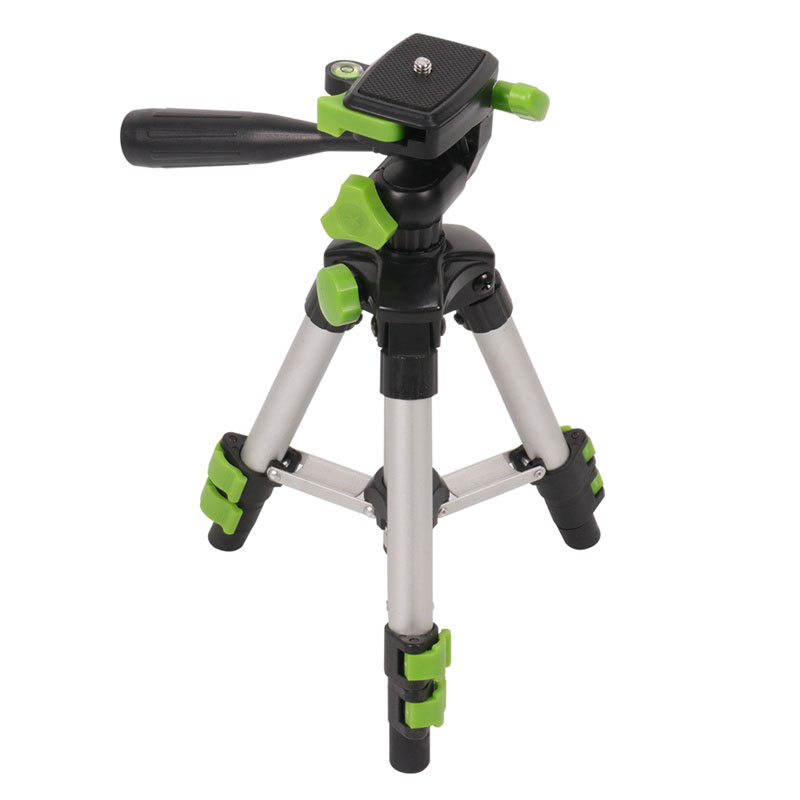
1. Unmatched Stability for Precision Measurements
The primary benefit of using a laser level tripod is the rock-solid stability it provides. When you are working on a construction laser level scanner project, even the slightest vibration or movement can throw off your measurements. Handheld operation introduces human error through micro-wobble and inconsistent positioning. A sturdy survey tripod eliminates these variables by creating a fixed, immovable platform.
According to industry experts, the sturdy design of a quality tripod reduces vibrations and movements, ensuring that laser beams remain aligned during measurements—which is crucial for obtaining precise results in various tasks. This stability is particularly vital for outdoor surveying with laser level work, where wind, uneven terrain, and equipment handling can easily disrupt accuracy.
2. Enhanced Accuracy Through Proper Leveling
Accuracy is the cornerstone of any surveying operation. A tripod for laser level with bubble level allows you to achieve a precise initial setup before the laser’s internal self-leveling mechanism takes over. Most self-leveling laser tripod systems have a limited operational range—typically only four to five degrees from true level. By using the tripod’s built-in bubble level to manually rough-level the platform, you ensure the laser’s compensator operates within its optimal range.
Many modern laser level stands feature integrated bubble levels that allow you to check balance immediately and rectify any tilt before beginning work. This two-step leveling process—manual rough leveling followed by automatic self-leveling—maximizes the accuracy of every measurement.
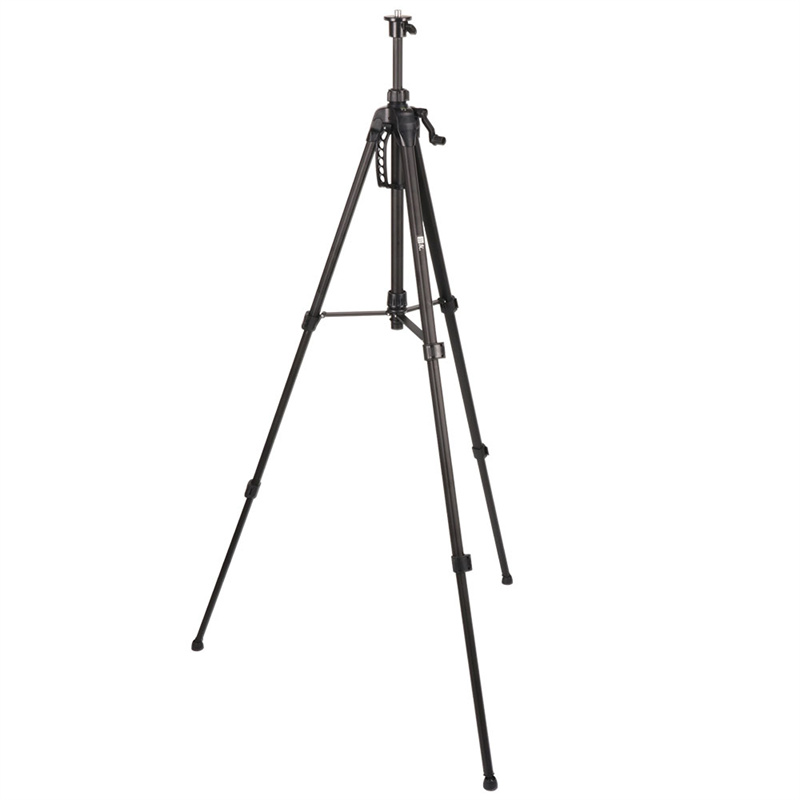
3. Height Adjustability for Versatile Applications
One of the most valuable features of a height adjustable laser level tripod is its ability to adapt to different working heights. Whether you are setting foundations, installing drop ceilings, or conducting site surveying elevation checks, you need a tripod that can position your laser at the precise height required.
High-quality tripods offer extensive height ranges. For example, some models extend from 40.94 inches to 133.85 inches, accommodating everything from floor-level layout work to ceiling-height measurements. This versatile tripod for construction surveying eliminates the need for makeshift risers or awkward positioning, allowing you to work comfortably and accurately at any elevation.
4. Compatibility with Multiple Laser Types
A good universal laser level tripod is designed to work with a wide range of devices. Most tripods feature standard mounting threads—typically 1/4″-20 UNC for consumer-grade line lasers and 5/8″-11 UNC for larger rotary lasers and surveying instruments. Many tripod for laser level with 5/8-11 thread mount options include adapters that accommodate both standards, providing maximum versatility.
This compatibility means a single heavy duty tripod for rotary laser level can support line lasers, point lasers, cross-line lasers, rotating lasers, and even laser distance meters. For professionals who use multiple types of laser leveling equipment, this versatility translates to significant cost savings and reduced equipment clutter.
5. Increased Efficiency and Time Savings
Time is money on any job site, and a quick setup laser level tripod can dramatically reduce the time spent on measurement tasks. Instead of measuring, transferring, measuring again, a properly mounted laser projects a consistent reference plane that allows you to verify from multiple points in one pass.
Modern tripods feature quick-release locking systems and adjustable leg locks that enable fast setup and takedown. This efficiency is particularly valuable for surveyors who need to move between multiple measurement points throughout the day. By minimizing setup time, a quality tripod allows you to focus on the actual work rather than equipment preparation.
6. Durability for Demanding Job Site Conditions
Construction and surveying environments are tough on equipment. A durable aluminum laser level tripod is built to withstand dust, vibration, and the occasional knocks that occur on active job sites. Premium aluminum construction provides corrosion resistance and maintains its shape even under strain, preventing measurement drift over time.
Many heavy-duty models feature hardened steel spike feet for enhanced stability on soft or uneven ground, along with protective rubber foot caps to prevent scratching finished indoor surfaces. This rugged tripod for outdoor surveying ensures reliable performance across diverse working conditions.
7. Portability and Easy Transport
Despite their sturdy construction, modern lightweight laser level tripods are designed for easy transport between job sites. Aluminum-alloy construction balances strength with weight, making these tripods both durable and portable.
Most tripods collapse to a compact size for storage and include carrying bags or straps for convenient transport. This portability is essential for professionals who move between multiple projects daily, ensuring that your laser level with tripod combo is always ready when you need it.
8. Improved Consistency Across Multiple Measurements
Consistency is critical in surveying, where multiple measurements must align perfectly. A stable platform for laser measuring tools ensures that every reading is taken from the same reference point, eliminating the variability that comes with handheld operation.
When your surveying laser level tripod is properly set up, you can take readings, mark positions, and return for verification—all with confidence that the reference plane has not shifted. This consistency is particularly important for large-scale projects where measurements are taken over extended periods or by multiple team members.
9. Enables Precise Fine Adjustments
Many professional-grade tripods feature geared center columns or micro-adjustment mechanisms that allow for precise height fine-tuning without disturbing the base setup. This capability is invaluable when you need to dial in the exact line height for tasks like installing curtain rods, closet shelves, or hanging fixtures.
Some tripod for laser level with fine adjustment systems include rotary knobs that allow for minute X and Y-axis shifts of the laser’s horizontal position. This level of precision is essential for applications requiring exact alignment over short distances.
10. Professional-Grade Results on Every Project
Ultimately, the cumulative benefit of using a quality laser level tripod for accurate surveying is professional-grade results on every project. Whether you are a foundation specialist, floor installer, or surveyor, stable equipment matters. A cheap, wobbly tripod costs you time and precision, while a well-built tripod delivers reliable, repeatable measurements that stand up to scrutiny.
Investing in a best tripod for laser level and transit setup ensures that your measurements are accurate, your layouts are square, and your projects meet specification every time.
What to Look for When Buying a Laser Level Tripod?
Before making a purchase, consider these essential factors to ensure you select the right tripod for your laser level:
- Mounting Thread Compatibility
Verify that the tripod’s mounting thread matches your laser level. Most consumer-grade line lasers use a 1/4″-20 UNC thread, while larger rotary lasers and surveying instruments require a 5/8″-11 UNC thread. Tripods that offer both thread sizes—often through an included adapter—provide the greatest versatility. - Height Range
Ensure the tripod can reach the maximum height needed for your tasks. Ceiling work often requires six to eight feet of extension. Consider both the minimum and maximum height to ensure the tripod suits your typical applications. - Weight Capacity
Check the tripod’s load-bearing capacity. Some tripods support up to 12 pounds or more. - Material and Build Quality
Lightweight aluminum is a common choice, balancing durability and portability. For heavy-duty or outdoor work, consider steel or fiberglass options, which offer greater rigidity. Look for corrosion-resistant materials that can withstand harsh job site conditions.
- Leg Locks and Stability Features
The tripod should feature robust leg locks, such as lever-style quick-release clamps, to secure the legs firmly and prevent drift. Rubberized feet are ideal for indoor use on finished floors, while metal spikes provide grip on uneven or soft ground outdoors. - Integrated Bubble Level
A built-in bubble level helps ensure proper leveling before the laser’s self-leveling mechanism takes over. Dual bubble levels on both the tripod base and rotating pad can make leveling faster than single-level designs. - Portability Features
Consider the tripod’s folded size and weight, especially if you frequently move between job sites. A carrying bag or built-in carrying strap adds convenience.
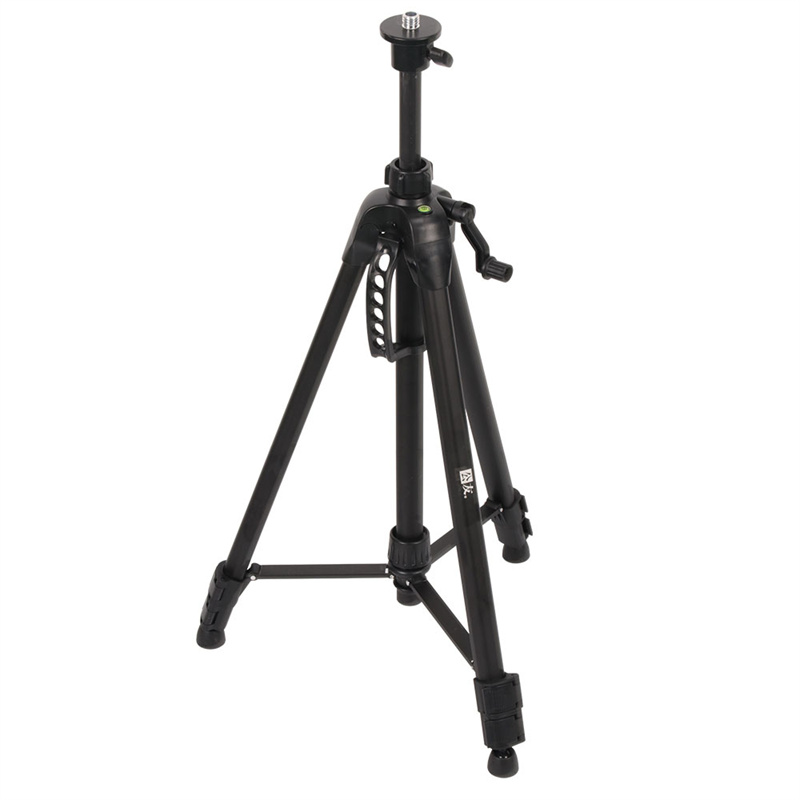
Frequently Asked Questions (FAQ)
Q1:How do I properly set up a laser level tripod?
Start by extending the legs to form a wide, stable base. Adjust leg lengths to bring the integrated bubble level as close to center as possible. Securely attach the laser level before activating the self-leveling feature. If the laser lines blink or beep, the tripod is outside the self-leveling range—make minor adjustments to leg height.
Q2: How much weight can a laser level tripod support?
Capacity varies by model. Some heavy-duty survey tripods support up to 12 pounds or more. Always check the manufacturer’s specifications to ensure your laser falls within the rated capacity.
Q3: Are laser level tripods suitable for outdoor use?
Yes, many tripods are designed for outdoor surveying with laser level applications. Look for models with metal spike feet for gripping soft or uneven ground, and protective foot caps for use on hard surfaces. Some tripods also feature corrosion-resistant materials to withstand outdoor conditions.
Q4: What maintenance does a laser level tripod require?
Keep joints clean and free of dust to maintain smooth adjustments. Periodically check leg locks and extendable sections for wear and corrosion. After use, store the tripod in a dry place and avoid exposure to harsh chemicals. Regular inspection helps prevent misalignment during critical measurements.
Summary
From enhanced stability and accuracy to time savings and portability, the benefits of using a laser level tripod for site surveying are clear. A quality tripod transforms a portable measuring device into a high-precision tool capable of maintaining a consistent reference plane across any job site. Whether you need a heavy duty survey tripod for construction laser level scanner applications or a lightweight option for interior layout work, choosing the right tripod is an investment in quality, efficiency, and professional results.