
 Albanian
  English
  French
  German
  Spanish
  Italian
  Japanese
  Korean
  Vietnamese
  Thai
Thai  Myanmar
  Polish
  Khmer
Khmer  Arabic
 Kur bëhet fjalë për nivelimin modern të tokës dhe përgatitjen e vendeve të ndërtimit, arritja e kontrollit preciz të gradimit është çelësi për zvogëlimin e punës sipas shtesave, reduktimin e humbjeve të materialit dhe qëndrimin fitimprurës. Qoftë që operoni një grader në një projekt rrugeje ose drejtoni një scraper në një fushë të madhe bujqësore, një Marrës Lazer Kontrolli i Makinës është mjeti thelbësor që sjell saktësinë në nivelin e milimetrit në pajisjet e lëvizjes së tokës. I dizajnuar posaçërisht për makinerinë e rëndë si graderat dhe scraperat, ky marrës lazer profesional për nivelimin e tokës shndërron gradimin manual në një proces të thjeshtuar dhe të automatizuar që kursen si kohën ashtu edhe paratë.
Marrësi Lazer Kontrolli i Makinës KMR01 nga K-level përfaqëson brezin tjetër të automatizimit të makinave, duke ofruar të dhëna të nivelit real me saktësinë në nivelin e milimetrit për kontroll të përsosur të makinave në projektet e lëvizjes së tokës dhe zhvillimit të vendeve. Në këtë udhëzues gjithëpërfshirës, do të zbulojmë gjithçka që duhet të dini për marrësit e lazerit të kontrollit të makinave, nga specifikazimet teknike deri te këshillat e blerjes dhe pyetjet e bëra më shpesh.
Çfarë është një marrës lazer kontrolli makinash dhe si funksionon?
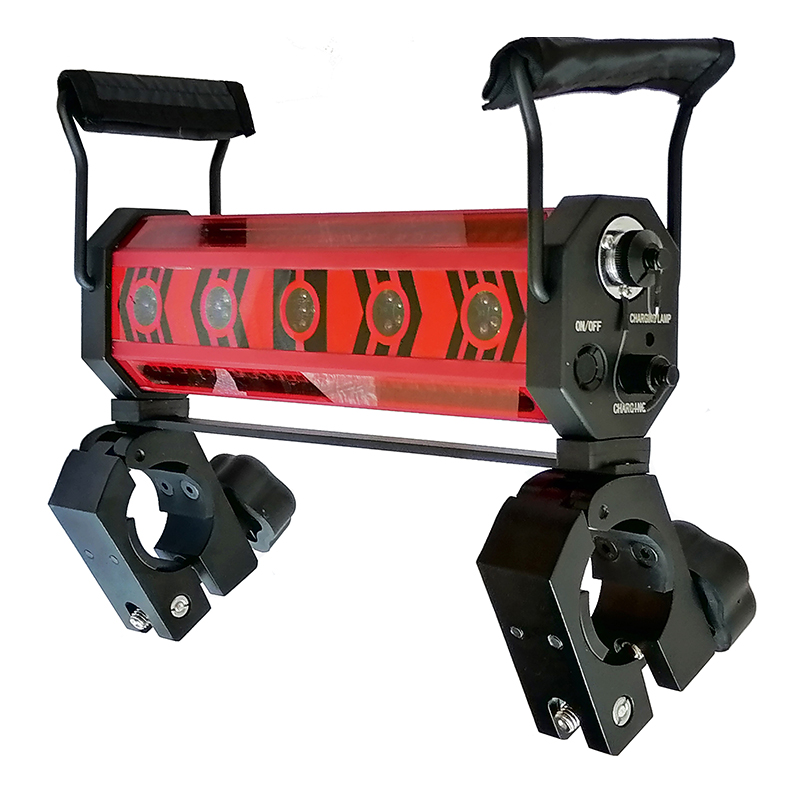
Një marrës lazer kontrolli makinash është një sensor i fortë i montuar në makinerinë e ndërtimit ose bujqësore që gjen rrezet lazer nga një nivel lazer rrotues. Kur rrezja lazer godet dritaren e zbulimit të marrësit, njësia dërgon përgjigje në kohë reale në operatorin (përmes një ekrani në kabinë ose kontrollit automatik të makinës) që tregon nëse skaji i prerjes është mbi nivelin e dëshiruar, në nivel ose nën nivelin e dëshiruar.
Marrësit profesionalë të kontrollit të makinës për niveluesit dhe skrapatorët janë ndërtuar për të qëndruar në kushtet më të ashpra të kantierit. Shumica e njësive të cilësisë kanë strehim IP66 ose IP67 të papërshkueshëm ndaj pluhurit dhe rezistent ndaj ujit, duke siguruar funksionimin e besueshëm në mjedise të lagëta, të pluhurosura dhe me temperatura ekstreme. Ato janë më të mëdha se marrësit standarde të montuar në shufër, me amortizim për të mbrojtur komponentët e brendshëm nga dridhja, dhe të projektuar për të marrë sinjale lazeri nga të gjitha drejtimet (__AITC_360__° marrje), me një dritare vertikale të lartë kapjeje deri në 10 inç për të mbajtur makinën në rrezen edhe ndërsa pajisja lëviz lart e poshtë në terrene të vrazhdë.
Specifikime kryesore teknike për të kërkuar
Kur zgjedhni një marrës lazer kontrolli makinash për niveluesin ose skrapatorin tuaj, vëmendja ndaj parametrave teknikë specifik siguron që të merrni njësinë e duhur për aplikacionet tuaja.
Saktësia e Zbulimit – Treguesi Kryesor i Performancës
Saktësia e një marrës lazeri për kontrollin e makinës zakonisht specifikohet në dy mënyra: mënyra e imët për nivelimin përfundimtar dhe mënyra e trashë për punimet e përafërta të dheut.
Saktësia e Mënyrës së Imët varion nga ±2 mm deri në ±10 mm, në varësi të markës dhe modelit. Për marrësit lazer me precizion të lartë të dizajnuar për përfundimin e nivelit përfundimtar, është e arritshme një saktësi deri në ±2 mm, ideale për përgatitjen e pllakave të betonit dhe ndërtimin e rrugëve.
Saktësia e Mënyrës së Trashë varion nga ±5 mm deri në ±23 mm për gërmime më të mëdha dhe operacione të nivelimit të përafërt.
Marrësit premium shpesh ofrojnë tre ose më shumë cilësime të zgjedhshme të saktësisë, duke i lejuar operatorët të rregullojnë ndjeshmërinë bazuar në kërkesat e punës——nga prerja e trashë deri te përfundimi përfundimtar pa ndryshuar pajisjet.
Dritarja e Marrjes 360° dhe Gama e Zbulimit
Një kënd i plotë marrjeje prej 360° siguron që marrësi të mos humbasë kurrë sinjalin lazer, pavarësisht nga drejtimi që përballon makineritë. Dritarja vertikale e kapjes——zakonisht 6.75 deri në 10 inç në lartësi——përcakton sa hapësirë vertikale ka makina përpara se të humbasë rrezen. Një gjatësi më e madhe e kapjes (deri në 250 mm) e mban makinën të punojë vazhdimisht pa nevojë për ripozicionim të shpeshtë.
Aplikime: Nivelues, Kruajtës dhe më tej
Një marrës lazer profesional për nivelimin e tokës përmirëson ndjeshëm efikasitetin dhe saktësinë në një gamë të gjerë aplikimesh të lëvizjes së dheut.
Për Gradiatorët
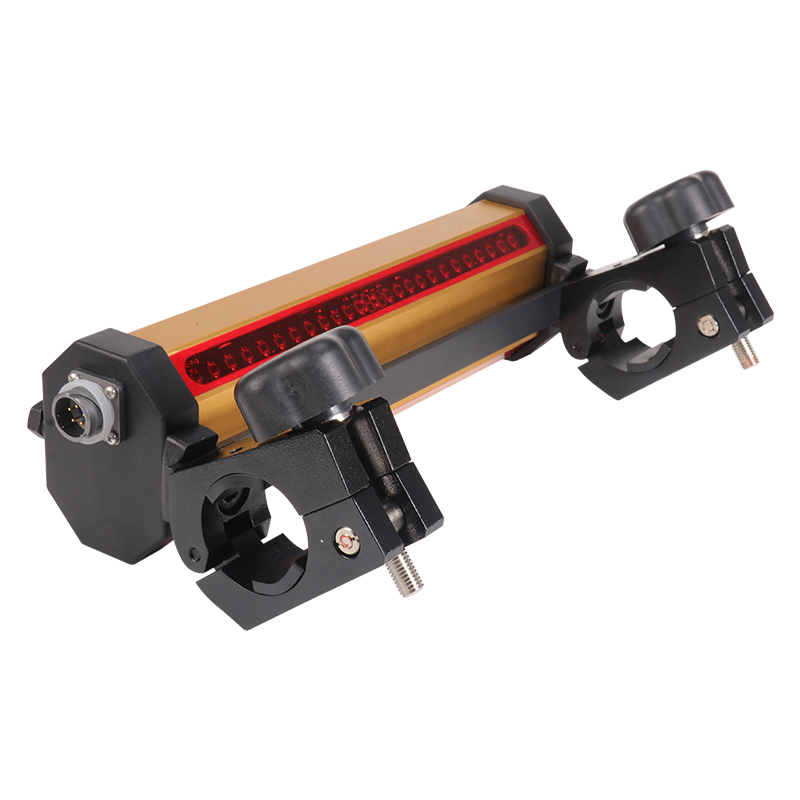
Marrësit e montuar në makinë ofrojnë të dhëna të vazhdueshme të ngritjes për të kontrolluar automatikisht lartësinë e tehut, duke siguruar një pjerrje të rrugës konsistente, pjerrje të hendekut dhe gradë përfundimi në rrugë të shpejta, parkingun dhe pistën e aeroportit. Aftësia për të ndërruar midis saktësisë të imët dhe të ashpër lejon gradiatorët të lëvizin nga prerja e përafërt në përfundimin përfundimtar pa ri-kalibruar.
Për Raskatsa
Raskatsitë përfitojnë nga dritarja e lartë vertikale e kapturimit që e mban marrësin në rreshtin me rrezin e lazerit ndërsa raskaca ngarkon dhe zbos materialin. Reagimi i saktë i gradës zvogëlon prerjen e tepërt dhe minimizon kërkesat e mbushjes, duke ndikuar drejtpërdrejt në përfitimin e projektit.
Aplikime Shtesë
Përtej niveluesve dhe gërryesve, marrësit me lazer për kontrollin e makinerive janë thelbësorë në buldozera, ekskavatorë, gropnxirë, ngarkuesit skid steer, ngarkuesit kompaktë me gjurmë, kutitë e zgjatimit dhe kutitë e zvarritjes.
Si të zgjedh marrësin e duhur me lazer për kontrollin e makinerive?
Gjatë vlerësimit të opsioneve, merr në konsideratë këta faktorë kyçe sipas radhës së përparësisë:
Kërkesat e aplikimit: Për përfundimin përfundimtar të klasifikimit, përparëso saktësinë në modalitetin e imët prej ±2-3 mm. Për lëvizjen e tokës së ashpër, saktësia e modalitetit të ashpër prej ±10-15 mm mund të jetë e mjaftueshme.
Madhësia dhe lloji i makinerive: Pajimet më të mëdha si gërryesit kërkojnë jetëgjatësi të gjatë të baterisë dhe amortizim të fuqishëm të dridhjeve. Pajisjet kompakte mund të përfitojnë nga modelet e lehtë me montim magnetik.
Mjedisi i punës: Për vendet e lagura ose me shumë pluhur, rekomandohet vlerësimi IP67. Për kushte standarde, mjafton IP66.
Preferenca e ekranit: Marrësit e pavarur me ekrane të integruara funksionojnë mirë për makinat ku marrësi është i dukshëm nga kabina. Ekranet në distancë ose aplikacionet celulare me valë ofrojnë fleksibilitet më të madh për makina më të mëdha.
Përputhshmëria me lazerin ekzistues: Sigurohuni që marrësi të jetë i pajtueshëm me transmetuesin tuaj rrotullues lazer ekzistues. Shumica e marrësve profesionalë punojnë me të gjithë lazerët rrotullues me rreze të kuqe të çdo marke.
Ku të Blini një Marrës Lazeri për Kontrollin e Makinerisë – Përqendrohuni te K-level
Kur jeni gati të investoni në një profesional Marrës Lazer Kontrolli i Makinës për graderin ose kruesen tuaj, zgjedhja e furnizuesit të duhur është po aq e rëndësishme sa zgjedhja e modelit të duhur. K-level është një prodhues i besuar i specializuar në Marrësit Laser të Sistemit të Kontrollit të Makinerisë me precizion të lartë, të dizajnuar për pajisjet e nivelimit dhe gërmimit të automatizuar.
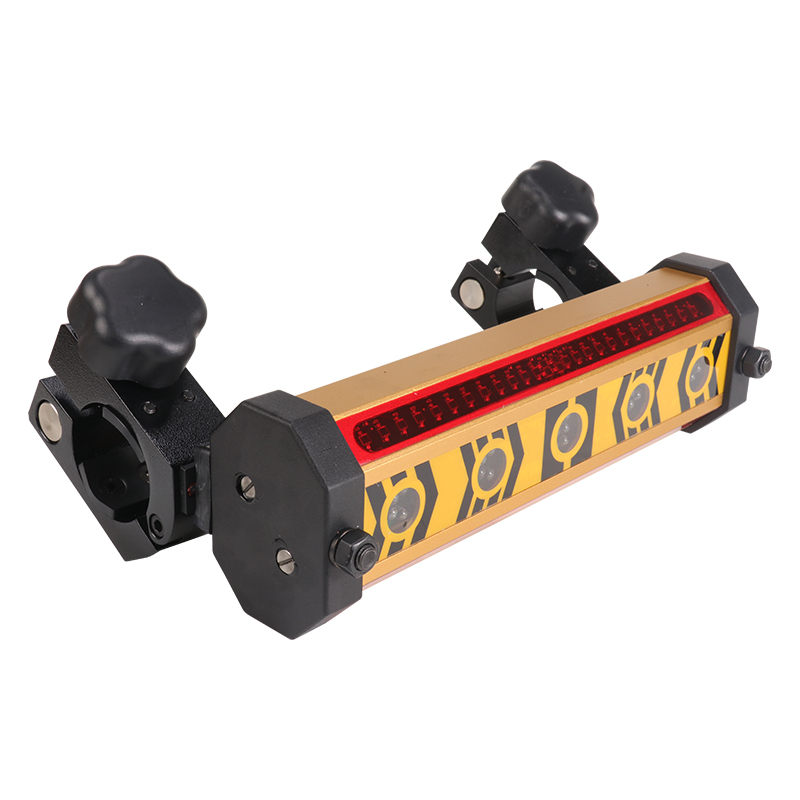
Marrësi Laser i Kontrollit të Makinerisë nga K-level ofron të dhëna të lartësisë në kohë reale me saktësi në nivel milimetri, duke e bërë atë ideal për operacionet e nivelimit pa GPS, kanalizimin e saktë, përgatitjen e pllakave të betonit, ndërtimin e rrugëve dhe zhvillimin e tokës. Karakteristikat kryesore përfshijnë:
Dritare marrëse 25 cm që siguron gamë të plotë marrjeje 360°
Kutia metalike IP66 e papërshkueshme nga uji dhe pluhuri
Saktësi e imët ±2 mm deri ±10 mm, saktësi e trashë ±5 mm deri ±23 mm
Bateri i riciklueshëm 7.2V NiMH 2500mAh me 40 orë kohë funksionimi
I pajisur me një ekran të largët për monitorim të përshtatshëm në kabinë
Kompatibel me shumicën e transmetuesve lazer rrotullues nga ndonjë markë
Për të blerë Makinën e Kontrollit të Marrësit Lazer ose për të kërkuar informacione rreth porosive në sasi dhe mbështetjeje teknike, vizitoni k-level.com ose kontaktoni shërbimin e tyre konsultuese. Niveli K ofron gjithashtu shërbime konsultimi për pajisjet e mërkimit dhe ndihmë në zgjedhjen e zgjidhjes së duhur të automatizimit të makinës për aplikimet tuaja specifike.
Pyetje të Shpeshta (FAQ)
P1: Cila është ndryshimi midis një marrësi lazer kontrolli makine dhe një marrësi lazer standard?
Një marrës lazer standard përdoret në një shufër niveli për kontrollimin manual të nivelit. Një marrës lazer kontrolli makine është më i madh, me amortizim të dridhjeve, rezistent ndaj motit, ka marrje 360° dhe një dritare vertikale të lartë kapjeje, dhe montohet drejtpërdrejt në pajisjen e ndërtimit për të siguruar reagim në kohë reale për operatorin ose për kontrollat hidraulike automatike.
P2: A mund të përdor një marrës lazer kontrolli makine me çdo lazer rrotullues?
Po. Shumica e marrësve profesionalë të kontrollit të makines janë projektuar për të zbuluar çdo lazer rrotullues me rreze të kuqe me një gjatësi vale midis 630 nm dhe 780 nm. Ata funksionojnë universalisht pavarësisht nga prodhuesi.
P3: A mund ta përdor një marrës lazer kontrolli makine me çdo lloj lazer rrotullues?
Inspektimi i rregullt përfshin pastrimin e dritares pranuese dhe ekranit LED, kontrollimin e kontakteve të baterisë për korrozion, verifikimin që kapëset e montimit ose magnetët janë të siguruar, dhe kontrollimin periodik të kalibrimit të njësisë duke përdorur një pikë referimi të njohur ose një shufër gradimi.
P4: Si mund ta kalibrojë marrësin e lazerit për kontrollin e makines?
Procedurat e kalibrimit ndryshojnë sipas prodhuesit, por procesi i përgjithshëm përfshin: vendosjen e një nivele lazer rrotulluese në një distancë të njohur (zakonisht 30-50 metra larg një sipërfaqe vertikale), montimin e marrësit në një shufër gradimi, shënimin e pozicionit në gradë, rrotullimin e lazerit 180°, dhe përsëritjen e matjes. Nëse diferenca tejkalon tolerancën e specifikuar nga prodhuesi (zakonisht 3 mm në 30 metra), lazeri kërkon kalibrimin përpara se marrësi të mund të ofrojë lexime të sakta.