 Italian
  English
  French
  German
  Spanish
  Japanese
  Korean
  Vietnamese
  Thai
Thai  Myanmar
  Albanian
  Polish
  Khmer
Khmer  Arabic
 Livello automatico o livello laser: quale scegliere?
Scegliere tra un livello automatico e un livello laser può creare confusione, soprattutto per chi è alle prime armi con la topografia o l'edilizia. Entrambi gli strumenti sono progettati per il livellamento e la misurazione, ma hanno scopi diversi e funzionano al meglio in ambienti differenti.
In questa guida confronteremo in dettaglio i livelli automatici e i livelli laser, considerando precisione, applicazioni, facilità d'uso e costi, così potrai scegliere lo strumento giusto per il tuo progetto.
Che cos'è un livello automatico?
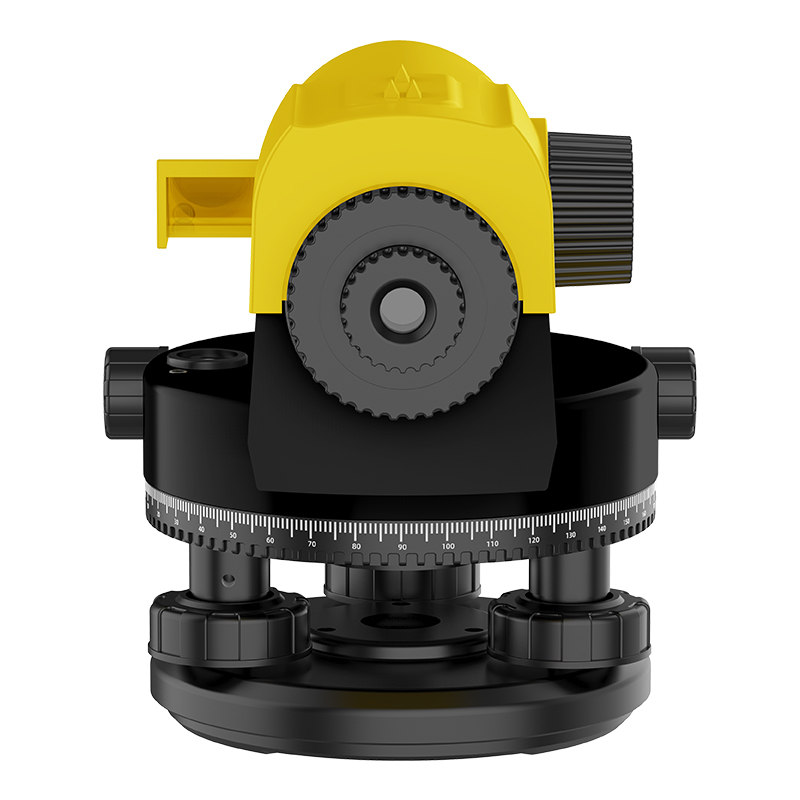
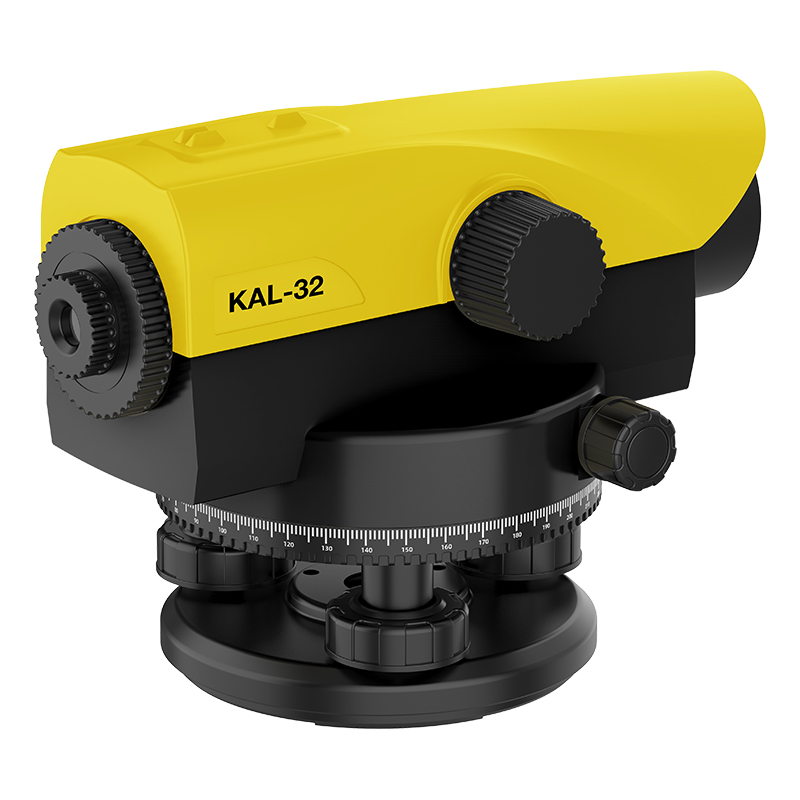
Un livello automatico (noto anche come livello automatico o livello ottico) è uno strumento topografico di precisione utilizzato per misurare le differenze di quota e stabilire punti di livello. Utilizza un cannocchiale e un compensatore interno per mantenere orizzontale la linea di mira.
I livelli automatici sono comunemente utilizzati per:
Rilievi topografici
Livellamento in edilizia
Misurazione dell'altitudine
Progetti di infrastrutture stradali e viarie
Sono noti per la loro elevata precisione e affidabilità, soprattutto su lunghe distanze.
Che cos'è un livellatore laser?
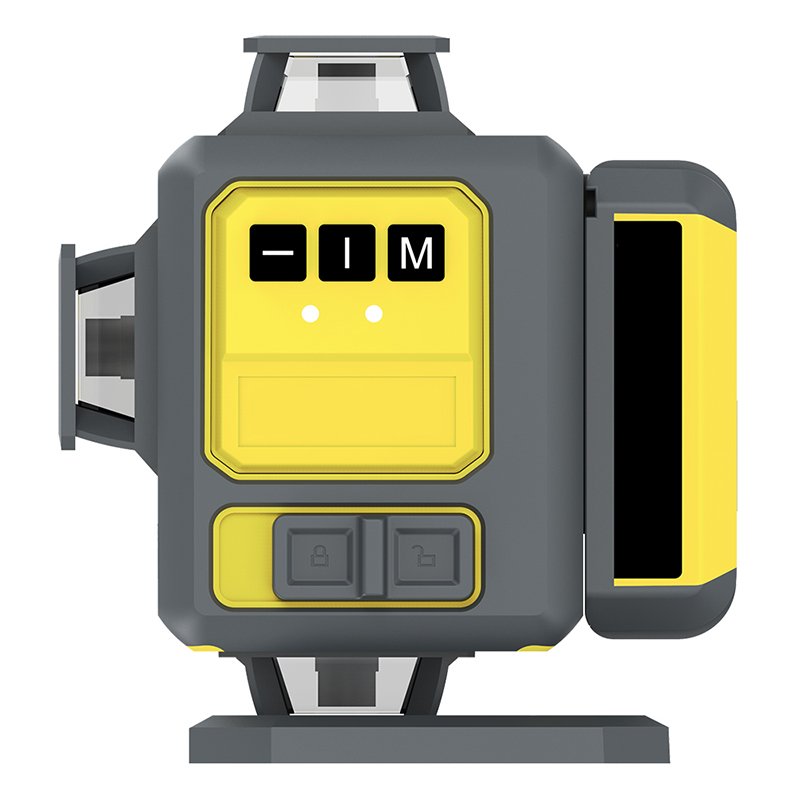
UN livello laser è uno strumento di livellamento moderno che proietta un raggio laser visibile (orizzontale, verticale o rotante) per creare una linea o un piano di riferimento.
Esistono diversi tipi di livellatori laser:
Livellatori laser a linea (per allineamenti interni)
Livellatori laser rotativi (per progetti esterni e su larga scala)
Laser a punti (per il trasferimento di punti)
I livelli laser sono ampiamente utilizzati in:
Costruzioni interne
Lavori di installazione (piastrelle, armadietti, soffitti)
Tracciamento e allineamento
Lavori di costruzione generici
Livello automatico vs livello laser: differenze principali
1. Precisione
Livello automatico: precisione estremamente elevata, ideale per misurazioni precise delle quote
Livello laser: buona precisione, ma può essere influenzato dalla distanza e dalla visibilità
Vincitore: Livello automatico (per rilievi di precisione)
2. Facilità d'uso
Livello automatico: Richiede configurazione, calibrazione e una stadia
Livella Laser: Facile da usare, spesso con autolivellamento e configurazione minima
Vincitore: Livella Laser
3. Portata di Lavoro
Livella Automatica: Eccellente per misurazioni a lunga distanza
Livella Laser: Limitata dalla visibilità (a meno di non usare un rilevatore)
Vincitore: Livella Automatica (per lunghezze esterne)
4. Applicazioni
Livella automatica: Rilevamento topografico, determinazione di quote, infrastrutture
Livella laser: Costruzione, allineamento, lavori in interni
Dipende dal caso d'uso
5. Costo
Livello ottico automatico: generalmente più conveniente
Livello laser: il prezzo varia (dai sistemi di base ai sistemi rotanti di fascia alta)
Quando scegliere un livello ottico automatico?
Scegli un livello ottico automatico se ti serve:
Misurazione altimetrica ad alta precisione
Livellamento su lunghe distanze
Applicazioni di topografia e ingegneria
Prestazioni affidabili in ambienti esterni
I livelli automatici sono la scelta preferita da topografi professionisti e ingegneri civili.
Quando dovresti scegliere un livello laser?
Scegli un livello laser se hai bisogno di:
Configurazione rapida e semplice
Allineamento e layout interni
Linee di riferimento visive
Flusso di lavoro efficiente nell'edilizia
I livelli laser sono ideali per appaltatori, costruttori e lavori interni.
Livella automatica vs Livella laser: Tabella di confronto rapido
| Caratteristica | Livello automatico | Livella laser |
| Precisione | Molto alta | Media-alta |
| Facilità d'uso | Moderata | Facile |
| Portata | Lunga distanza | Media |
| Ideale per | Rilievo topografico | Costruzione |
| Installazione | Richiede personale | Configurazione rapida |
Quale è migliore?
Non esiste una risposta valida per tutti.
Se il tuo lavoro si concentra su rilievi di precisione e misurazione delle altitudini, un livello automatico è la scelta migliore.
Se hai bisogno di velocità, comodità e allineamento visivo, un livello laser è più adatto.
In molti ambienti professionali, entrambi gli strumenti vengono usati insieme per ottenere i migliori risultati.
Attrezzatura consigliata per prestazioni migliori
Per ottenere il massimo dai tuoi strumenti di livellamento, considera l'uso di:
Un treppiede da rilevamento stabile per una maggiore precisione
Una stadia graduata per le misurazioni con il livello automatico
Un rilevatore laser per l'uso del livello laser all'aperto
Questi accessori possono migliorare significativamente le prestazioni e l'efficienza.
Considerazioni finali
Comprendere la differenza tra livelli automatici e livelli laser è essenziale per scegliere lo strumento giusto. Ognuno ha i suoi punti di forza e la scelta dipende dai requisiti del progetto, dall'ambiente di lavoro e dalle esigenze di precisione.
Se operi sia nel rilevamento topografico sia nell'edilizia, investire in entrambi gli strumenti può offrire la massima flessibilità ed efficienza.