
 Arabic
  English
  French
  German
  Spanish
  Italian
  Japanese
  Korean
  Vietnamese
  Thai
Thai  Myanmar
  Albanian
  Polish
  Khmer
Khmer المستوى الآلي مقابل المستوى بالليزر: أيهما يجب أن تختار؟
يمكن أن يكون الاختيار بين المستوى الآلي والمستوى بالليزر محيراً، خاصة للمبتدئين في المساحة أو البناء. كلا الأداتين مصممتان للتسوية والقياس، لكنهما تخدمان أغراضاً مختلفة وتعملان بشكل أفضل في بيئات مختلفة.
في هذا الدليل، سنقارن المستويات الآلية والمستويات بالليزر بالتفصيل، بما في ذلك الدقة والتطبيقات وسهولة الاستخدام والتكلفة—حتى تتمكن من اختيار الأداة المناسبة لمشروعك.
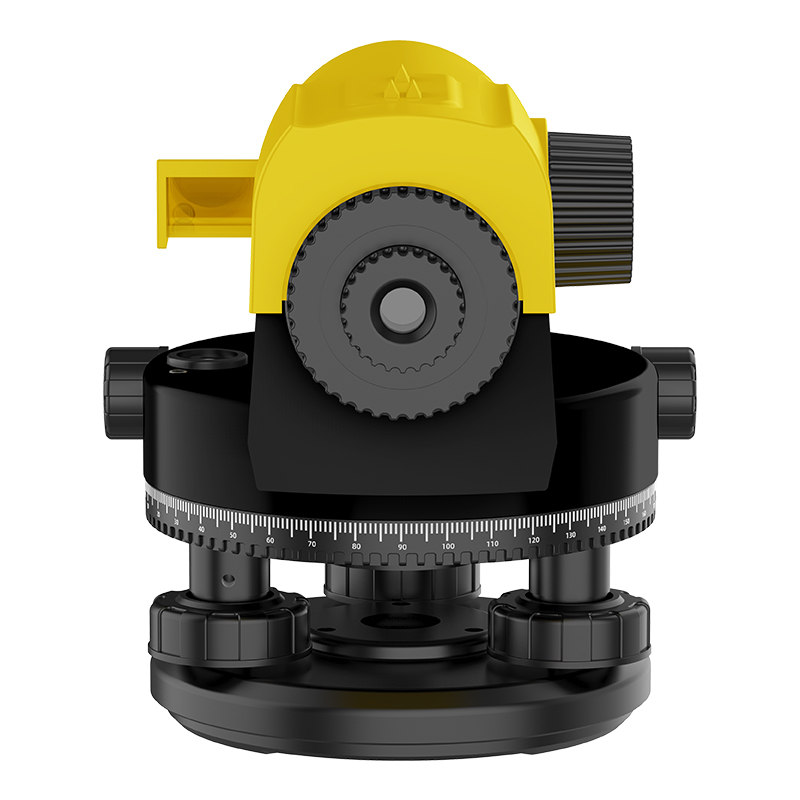
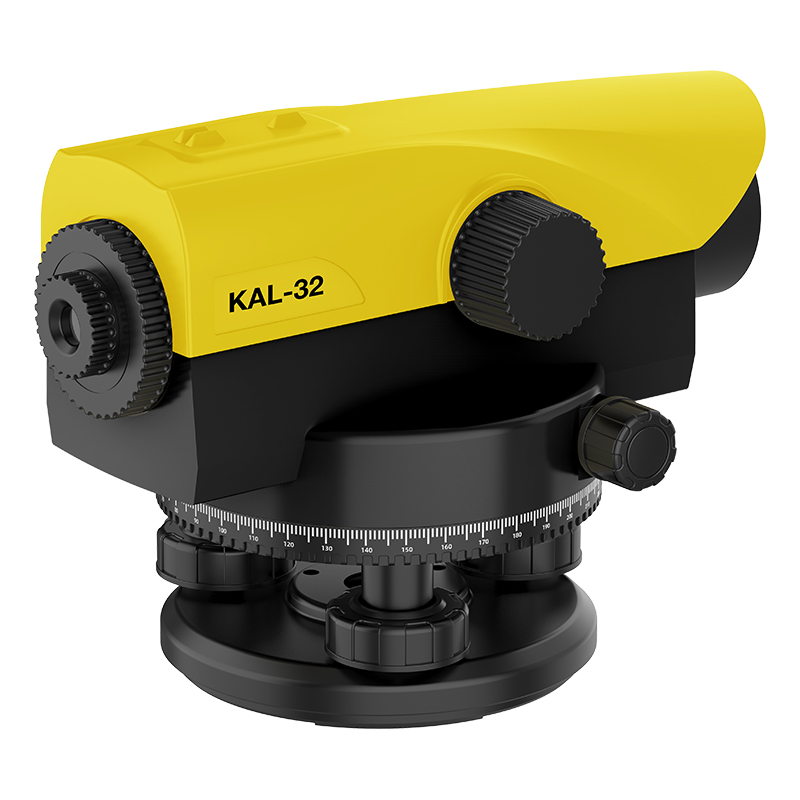
ما هو المستوى الآلي؟
أداة المستوى التلقائي (وتُعرف أيضاً بالمستوى الآلي أو المستوى البصري) هي أداة مساحة دقيقة تُستخدم لقياس الفروقات في الارتفاع وتحديد النقاط المستوية. تستخدم التلسكوب والمعوض الداخلي للحفاظ على خط رؤية أفقي.
تُستخدم المستويات الآلية بشكل شائع في:
مسح الأراضي
تسوية الإنشاءات
قياس الارتفاع
مشاريع الطرق والبنية التحتية
وهي معروفة بدقتها العالية وموثوقيتها، خاصة عبر المسافات الطويلة.
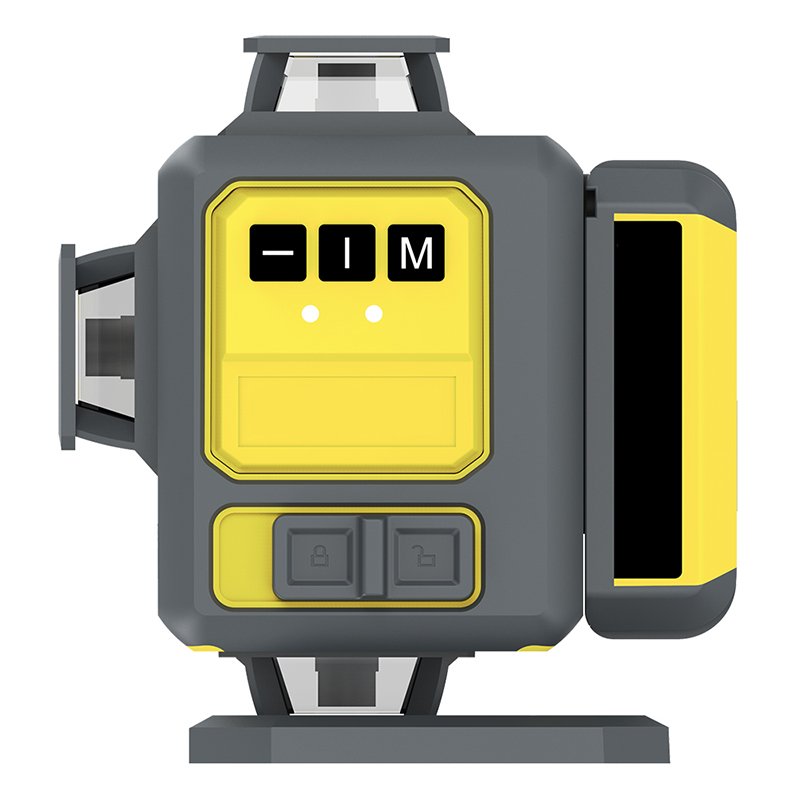
ما هو مستوى الليزر؟
أ مستوى الليزر هو أداة تسوية حديثة تُسقط شعاع ليزر مرئي (أفقيًا أو رأسيًا أو دوارًا) لإنشاء خط أو مستوى مرجعي.
هناك أنواع مختلفة من مستويات الليزر:
مستويات الليزر الخطية (للمحاذاة الداخلية)
مستويات الليزر الدوارة (للمشاريع الخارجية والواسعة النطاق)
ليزرات نقطية (لنقل النقاط)
تُستخدم مستويات الليزر على نطاق واسع في:
البناء الداخلي
أعمال التركيب (البلاط، الخزائن، الأسقف)
التخطيط والمحاذاة
مهام البناء العامة
الميزان البصري مقابل ميزان الليزر: الفروقات الرئيسية
1. الدقة
الميزان البصري: دقة عالية للغاية، مثالي لقياسات المناسيب الدقيقة
ميزان الليزر: دقة جيدة، لكنه قد يتأثر بالمسافة ومستوى الرؤية
الفائز: الميزان الأوتوماتيكي (لأعمال المسح الدقيقة)
2. سهولة الاستخدام
الميزان الأوتوماتيكي: يتطلب الإعداد والمعايرة وقامة تسوية
مستوى الليزر: سهل الاستخدام، غالباً ما يكون ذاتي المستوى مع إعداد بسيط
الفائز: مستوى الليزر
3. نطاق العمل
المستوى الآلي: ممتاز للقياسات على مسافات طويلة
مستوى الليزر: محدود برؤية الضوء (ما لم يتم استخدام كاشف)
الفائز: المستوى الآلي (للمسافات الطويلة في الخارج)
4. التطبيقات
المستوى الآلي: المساحة، الارتفاع، البنية التحتية
مستوى الليزر: البناء، المحاذاة، العمل الداخلي
يعتمد على حالة الاستخدام
5. التكلفة
الميزان الأوتوماتيكي: يكون عادةً أكثر اقتصادية
الميزان الليزري: يختلف السعر (من الأنظمة الأساسية إلى الأنظمة الدوارة المتقدمة)
متى ينبغي اختيار ميزان أوتوماتيكي؟
اختر ميزانًا أوتوماتيكيًا إذا كنت بحاجة إلى:
قياس الارتفاعات بدقة عالية
التسوية لمسافات طويلة
تطبيقات المساحة والهندسة
أداء موثوق في البيئات الخارجية
تُعد أجهزة التسوية الأوتوماتيكية الخيار المفضل للمسّاحين المحترفين والمهندسين المدنيين.
متى ينبغي لك اختيار ميزان الليزر؟
اختر ميزان الليزر إذا كنت بحاجة إلى:
إعداد سريع وسهل
المحاذاة والتخطيط الداخليان
خطوط مرجعية مرئية
سير عمل بناء فعّال
تُعد موازين الليزر مثالية للمقاولين والبنّائين والأعمال الداخلية.
الميزان الأوتوماتيكي مقابل الميزان الليزري: جدول مقارنة سريع
| الميزة | المستوى التلقائي | الميزان الليزري |
| الدقة | عالية جدًا | متوسطة إلى عالية |
| سهولة الاستخدام | متوسطة | سهلة |
| المدى | مسافات طويلة | متوسط |
| الأفضل لـ | المسح | بناء |
| الإعداد | يتطلب موظفين | إعداد سريع |
أيهما أفضل؟
لا توجد إجابة واحدة تناسب الجميع.
إذا كان عملك يركز على المسح الدقيق وقياس الارتفاع، فإن المستوى التلقائي هو الخيار الأفضل.
إذا كنت تحتاج إلى السرعة والراحة والمحاذاة البصرية، فإن مستوى الليزر هو الخيار الأنسب.
في العديد من البيئات المهنية، يتم استخدام كلا الأداتين معاً لتحقيق أفضل النتائج.
المعدات الموصى بها لتحسين الأداء
للحصول على أقصى استفادة من أدوات التسوية، فكر في استخدام:
حامل مسح ثلاثي الأرجل مستقر لتحسين الدقة
عصا تسوية لقياسات مستوى التسوية الآلي
كاشف ليزر لاستخدام مستوى الليزر في الأماكن الخارجية
يمكن لهذه الملحقات أن تعزز الأداء والكفاءة بشكل كبير.
الأفكار النهائية
فهم الفرق بين مستويات التسوية التلقائية ومستويات الليزر أمر ضروري لاختيار الأداة المناسبة. لكل منهما نقاط قوة خاصة به، واختيار الأداة الصحيحة يعتمد على متطلبات مشروعك وبيئة العمل واحتياجات الدقة لديك.
إذا كنت تعمل في المسح والبناء معًا، فإن الاستثمار في كلتا الأداتين يمكن أن يوفر أقصى قدر من المرونة والكفاءة.